Green Hydrogen Production and Infrastructure Planned for $6.1B Uzbekistan e-SAF Complex
Allied Biofuels plans a US$6.1 billion clean-fuels complex in Uzbekistan’s Khorezm Region with up to 2.4 GW of Plug Power GenEco electrolyzers for SAF and green diesel.
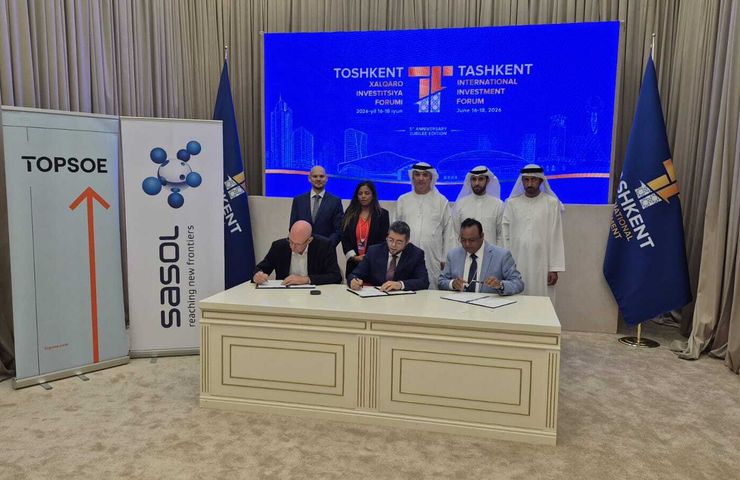
Allied Biofuels FE LLC is diving into an ambitious project in Uzbekistan’s Khorezm Region, where they’re rolling out a clean-fuels complex that aims to produce sustainable aviation fuel, electro-synthetic SAF, and green diesel. They’re getting some serious support from Plug Power Europe SAS, which is set to provide up to 2.4 GW of GenEco PEM electrolyzer capacity. The partners are eyeing a final investment decision by early 2027, with the whole venture estimated to cost around US$6.1 billion.
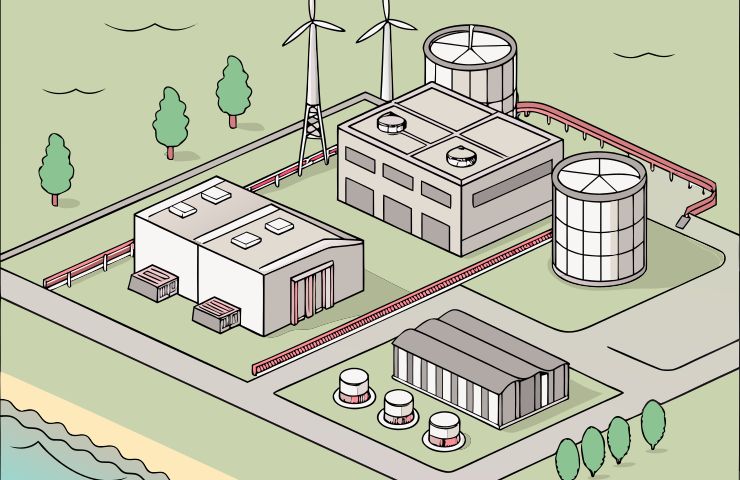
What’s really cool about this facility is that it’s tying together three normally separate areas: building up renewable energy, producing green hydrogen, and manufacturing synthetic fuel. The plans include a robust renewable power setup boasting up to 4.45 GW, plus battery storage of around 1,600 MWh to keep things balanced. So, these electrolyzers will take treated water and turn it into hydrogen using renewable electricity. Then, they’ll use that hydrogen along with carbon feedstocks—think biomass or other biogenic materials—to whip up liquid fuels via Fischer-Tropsch and some proprietary catalytic processes.
For the engineering work, Sinopec Engineering Group is on board to handle the front-end design and systems integration, working on an open-book cost basis. Topsoe A/S is stepping in with its SynCOR technology for syngas conditioning, while Sasol Limited is set to contribute its expertise in Fischer-Tropsch synthesis. It’s all about making sure that hydrogen production, carbon processing, and fuel upgrading are tightly coordinated to hit those product specs and lifecycle-emission targets.
Plug Power Ecosystem Evolution
Plug Power has come a long way since its early days in the late ’90s as a fuel-cell systems provider. They’ve really expanded their reach into the hydrogen infrastructure game. Now, they’re developing PEM electrolyzers, handling on-site hydrogen production, storage, delivery, and all kinds of fuel-cell power solutions. This shift has made GenEco a flexible platform that can quickly adapt to grid demands, which is pretty impressive. The Uzbekistan project will really put this modular system to the test, moving beyond their usual operations in warehouses and data centers.
Market Impact
This proposed complex could turn Uzbekistan into a regional hub for lower-carbon aviation fuels, potentially drawing in about US$6.1 billion in foreign investment while creating demand for engineering, construction, and operations. For Plug Power, the 2.4 GW electrolyzer capacity is quite a significant commitment, giving them a chance to demonstrate just how scalable their GenEco platform really is. If this goes well, it could boost their project-execution reputation and further their green hydrogen infrastructure goals.
Allied Biofuels already has a binding Project Implementation Agreement with the Khorezm regional government and secured some special-economic-zone incentives via a presidential decree. While these measures help clear up some financial uncertainty, the finer details regarding tax and customs exemptions are still up for grabs in the official decree.
On a national level, Uzbekistan has shown a real commitment to renewable energy and low-carbon hydrogen, but there are some challenges ahead. There’s a separate pilot project in the Tashkent region that focuses on large wind farms and ammonia synthesis, but it’s currently on a much smaller scale. Being landlocked, coupled with incomplete hydrogen regulations and limited freshwater resources, adds to the complexity. This Khorezm initiative is different, aiming to integrate biomass, electrosynthesis, and fuel upgrading all within one complex rather than just focusing on standalone hydrogen or ammonia production.
Technical Snapshot
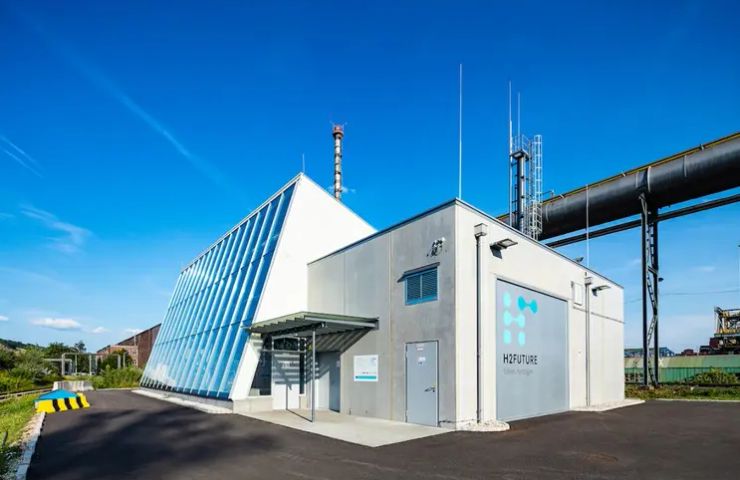
- GenEco PEM electrolyzers: These modular proton-exchange units are designed for variable renewable supply, with a planned capacity of up to 2.4 GW.
- Renewable Power & Storage: Up to 4.45 GW of solar and wind energy and around 1,600 MWh of battery capacity are on the cards, pending final design.
- SynCOR Technology: This tech from Topsoe integrates syngas conditioning before synthesis.
- Fischer-Tropsch Synthesis: Sasol’s catalytic method will convert CO and H₂ into hydrocarbons suitable for fuel upgrading.
One big concern is the water situation in the Aral Sea basin, which is dealing with stress. Since PEM electrolyzers need treated water, there isn’t a finalized plan in place for water allocation just yet. And, regional issues like water treatment, power transmission, and logistics will definitely influence how this project runs and its overall impact on lifecycle emissions.
The economics of this complex hinge on having a high-capacity renewable generation mix. While they’ve mentioned 4.45 GW of solar and wind, we don’t have specifics on how that will break down. Developers believe battery storage will play a crucial role by providing flexibility and ensuring that electrolyzers can run efficiently without interruption, improving hydrogen output per unit of electricity used.
Choosing the right feedstocks and doing thorough carbon accounting will also be key to defining the facility’s sustainability profile. Allied Biofuels is looking to use biomass or biogenic carbon alongside green hydrogen to produce syngas intermediates. Solid guarantees on where the feedstocks come from, a solid lifecycle analysis, and third-party verification will be vital for getting acceptance in the growing sustainable aviation fuel market. Any shift towards fossil-derived sources could really hurt their emissions claims and put everyone involved at risk of reputational and regulatory backlash.
When it comes to financing, they’re likely to explore options ranging from export-credit agencies to private equity partnerships. The special-economic-zone status from Uzbekistan’s presidential decree could help make the project more appealing for lenders, offering perks like tax holidays and land lease concessions. However, securing long-term contracts for hydrogen products or SAF will be essential to get competitive financing and reduce risks during the transition from construction to operations.
The market for sustainable aviation fuel, while still emerging, is showing signs of growth. Airlines and cargo companies are increasingly signing contracts to stay ahead of carbon reduction targets and regulatory requirements. Given the current shortage and limited large-scale production facilities, those who get in early might reap significant rewards. Still, with global competition and new alternative pathways popping up—like bio-based or power-to-liquids in Europe—these projects need to be cost-effective and have reliable logistics for export.
With all these systems involved, coordination is key, and it comes with its own set of risks. Making sure the interface between PEM electrolyzers, syngas conditioning, catalytic reactors, and product-upgrading units works smoothly is essential, and this needs to be validated via pilot projects. Differences in operating temperatures, pressures, and process dynamics need careful planning to avoid start-up delays. Sinopec’s front-end design work will zero in on these connections, but real-world operations might throw in some unforeseen challenges with control and safety.
Status and Timeline
As for where things stand, the project partners wrapped up a front-end engineering design (FEED) meeting in Ningbo, China, where they divvied up the engineering responsibilities and honed the cost estimates. They’re gunning for an early 2027 date for a final investment decision. As it stands, they’re still in the development and FEED phases; we’re still waiting on engineering completion, financing, construction kick-off, and commissioning dates.
Risks and Uncertainties
- Execution & financing: Locking down those multibillion-dollar funds and managing capital over multiple years.
- Need for government support: Relying on incentives that might need renewal or additional regulations.
- Resource availability: Securing sustainable carbon feedstocks and sufficient water in a challenging, water-scarce environment.
- Market adoption: Getting those offtake agreements for SAF/e-SAF hinges on crucial certifications and demand from airlines in a market still finding its footing.
While the potential investment could spark a surge in a low-carbon export industry and support Uzbekistan’s renewable initiatives, there are substantial execution risks to consider. Plug Power has openly acknowledged that challenges around equipment delivery, revenue recognition, and government backing all carry uncertainties.
The vision is to create a connected chain for hydrogen and fuel synthesis, but turning that vision into a functioning plant is still a work in progress. Everyone will be keeping a close eye on how things develop, particularly regarding securing financing, hitting construction milestones, and eventually bringing those electrolyzers and downstream units online, as it’ll be a clear indicator of the project’s viability and potential to replicate itself in other markets.
As airlines worldwide look for greener options, Uzbekistan’s Khorezm initiative could serve as a noteworthy example of large-scale green hydrogen production combined with synthetic-fuel synthesis. Its success will hinge on effectively addressing water scarcity, securing financing, and achieving integration to fully capitalize on the potential of sustainable aviation fuel and green diesel on a large scale.
In brief: A US$6.1 billion integrated complex in Khorezm is on track to blend renewable power, up to 2.4 GW of GenEco PEM electrolysis, and Fischer-Tropsch synthesis for e-SAF and green diesel. Partners are targeting an early 2027 final investment decision, but it’s still in the FEED and engineering stages with significant execution, regulatory, and resource risks ahead.