EWE and VERBUND launch 500 MW green hydrogen project in Nordenham
EWE AG and VERBUND AG will build a 500 MW green hydrogen electrolyser in Nordenham, aiming for 50 000 tonnes per year and direct pipeline integration into Germany’s hydrogen core network.
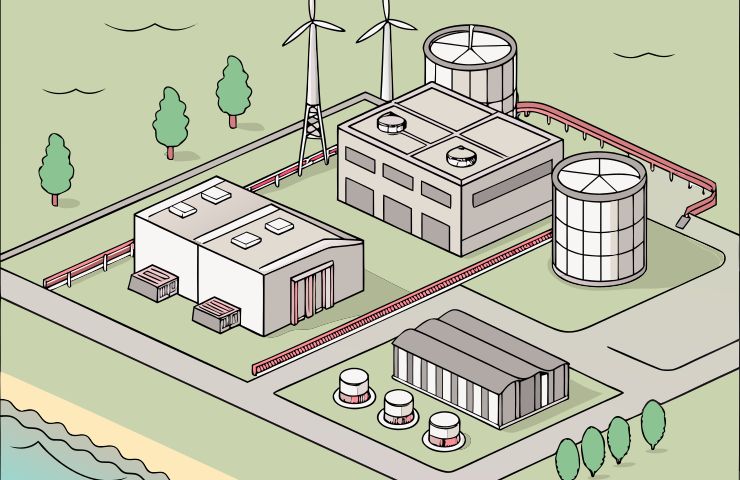
EWE AG and VERBUND AG announced on 9 October 2026 that their hydrogen subsidiaries will establish a joint venture to develop the CHC Elektrolyse JadeWeser project in southern Nordenham, Lower Saxony, Germany, according to the companies’ joint announcement. The partners say the initiative centres on installing up to 500 MW of electrolysis capacity and aims to produce 50 000 tonnes of green hydrogen per year for industry, mobility and energy customers from 2032. The statement frames the project as a multi-year build-out intended to connect large-scale electrolysis to regional demand.
This partnership combines EWE Hydrogen GmbH’s regional energy-network, storage and hydrogen experience with VERBUND Green Hydrogen GmbH’s expertise in renewable-power generation and large-scale hydrogen development, as noted in the European Commission’s merger approval decision. By linking a major electrolyser to existing infrastructure and planned pipeline networks, the project seeks to overcome practical barriers—grid bottlenecks, logistics and storage access—that have delayed green hydrogen initiatives. The companies present the joint venture as a means to convert pilot-scale know-how into an integrated production hub.
Project overview
The project will be implemented through an independent company co-owned by EWE Hydrogen GmbH and VERBUND Green Hydrogen GmbH, according to the joint release. CHC Elektrolyse JadeWeser is designed to use renewable electricity in compliance with EU RFNBO rules to split water via electrolysis. While partners confirm 500 MW capacity, they have not disclosed the electrolyser type, supplier or expected operating hours (according to EWE and VERBUND). They also signal potential capacity expansion in later phases, leaving technical details and the procurement timetable open for later decisions.
Site advantages
Southern Nordenham offers a combination of technical and logistical benefits, the companies state. The site sits next to a high-capacity 380 kV grid connection, simplifying integration of large-scale renewable electricity. Industrial land, port infrastructure and a robust water supply are already in place. Nearby salt caverns—once used for natural gas—could be converted to store hydrogen, providing seasonal flexibility. Proximity to Germany’s approved hydrogen core network—9 040 km of pipelines planned by 2032—promises direct injection into pipe corridors, cutting reliance on road transport and lowering delivery costs (Bundesnetzagentur). Together, these elements are presented as reducing some of the usual logistical hurdles for new electrolysis plants.
Tech and network integration
Hydrogen produced on site will be compressed and fed into either dedicated steel pipelines or repurposed gas lines at pressures suitable for industrial use, the partners explain. The Bundesnetzagentur approved the core network in October 2024, aiming for 60 % pipeline conversion and competitive tariffs to encourage entry. Access to this network could enable the plant to deliver to multiple end users—chemical clusters, refineries or power plants—while cavern storage solutions would smooth out production when renewable power fluctuates. The partners portray network access and storage as critical to making production dispatchable and commercially viable.
Commercial and regulatory framework
The European Commission approved the joint venture under the EU Merger Regulation on 8 July 2026, finding no competition concerns because the entities had negligible activity in the European Economic Area at that time (European Commission decision). That clearance, however, covers only shareholdings—it does not grant planning permission, subsidies or grid rights. The project still requires a final investment decision, detailed financing arrangements and site approval under German planning law. EWE and VERBUND highlight electricity procurement costs, RFNBO certification requirements, grid fees and incentive frameworks as decisive factors for the project’s economic viability.
Germany’s hydrogen strategy
Germany’s National Hydrogen Strategy, first released in 2020 and updated in 2023, raised domestic electrolysis targets from 5 GW to at least 10 GW by 2030 and projected hydrogen demand of 95–130 TWh, with up to 70 % to be imported (Federal Ministry strategy). The strategy aims to deploy hydrogen in hard-to-electrify sectors like steelmaking, refineries, heavy transport and dispatchable power. Within this framework, the CHC Elektrolyse JadeWeser project represents a step toward onshore production capacity and aligns with the broader push for industrial decarbonisation in north-west Germany. Policymakers and industry alike view onshore hubs as part of a mixed approach that also includes imports.
Building on existing expertise
EWE AG has operated pilot electrolysers in north-west Germany—a 2 MW test unit at Huntorf and a 10 MW system in Bremen—while advancing a 320 MW facility in Emden under an IPCEI scheme (EWE project information). VERBUND AG founded VERBUND Green Hydrogen GmbH in 2023 after creating a hydrogen division in 2021. Combined, they manage around 400 MW of pilot electrolysis capacity that the joint venture can build on. That operational history, the companies argue, gives the new entity a base of technical experience and project maturity from which to scale.
Supply and demand outlook
The joint venture intends to supply hydrogen to industrial customers, hydrogen refuelling stations for trucks and local energy users. No offtake agreements have been announced, however, and the project must compete with imported hydrogen and other domestic initiatives. A key challenge will be securing long-term power-purchase agreements for renewable electricity at competitive prices. Without such deals, the plant may face low utilisation or deferred ramp-up if market conditions remain uncertain. The partners identify market contracts and competitive power costs as early gating items for a positive final investment decision.
Path to commercial operation
Turning plans into an operating plant demands alignment of multiple stakeholders: financiers, grid operators, regulators and customers. The venture will likely pursue green-hydrogen certificates, capacity payments or direct subsidies to bridge the cost gap with conventional fuels. Engagement with Lower Saxony authorities for environmental approval and with network operators for pipeline connections will intensify as the partners seek a final investment decision and construction permits in the coming year. Practical steps, the documents say, include securing planning consent and agreeing detailed financing arrangements before construction can begin.
Environmental and market implications
Producing hydrogen via electrolysis with renewable electricity can deliver substantial greenhouse-gas savings compared to grey hydrogen or fossil fuels—provided electricity sourcing meets EU RFNBO standards. Efficiency losses in electrolysis, compression and transport, as well as water-use impacts, must be monitored. By integrating storage caverns and pipeline network access, the project aims to enhance dispatchability and system resilience, though comprehensive lifecycle assessments and certification will be essential to validate environmental credentials. The partners flag lifecycle assessment and certification as necessary steps to underpin the claimed emissions benefits.
The CHC Elektrolyse JadeWeser plan illustrates the next phase of Germany’s hydrogen rollout—shifting from isolated pilots to network-integrated production hubs. Its success will hinge on closing commercial deals, securing regulatory approvals and demonstrating reliable operation at scale. The coming months will reveal whether this announcement translates into a bankable asset and offers lessons for hydrogen infrastructure across Europe.