Aternium Proposes Innovative Hydrogen and Heavy Water Facility in Dover, Delaware
Delaware aims to boost its clean energy sector with Aternium's proposed $380 million hydrogen and heavy water facility.

This month, Delaware Governor Matt Meyer announced that Aternium, Inc.'s proposed $380 million facility in Dover has entered the JobsFirst Permitting Accelerator. The initiative aims to streamline the approval process for projects deemed essential for advanced manufacturing and clean energy. It is a fast-track of sorts—administrative support intended to shorten permit timelines for a complex industrial proposal.
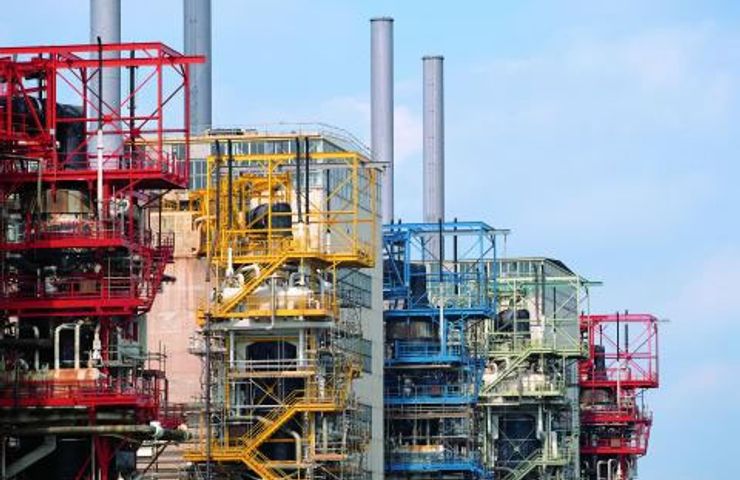
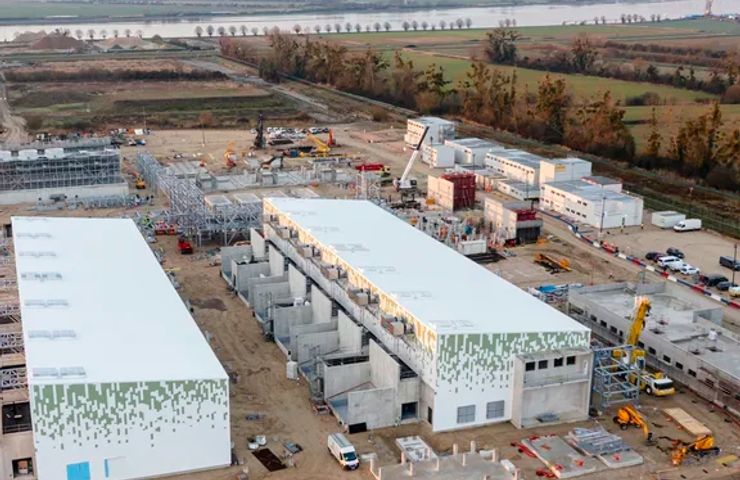
The plant Aternium proposes would produce high-purity electrolytic hydrogen and deuterium oxide, commonly known as heavy water. Heavy water is not a niche byproduct here; it is listed as crucial across a range of industries, including pharmaceuticals, semiconductors, defense, advanced manufacturing, scientific research, and several emerging technologies. The site, planned for the Garrison Oak Business and Technology Park, is designed to serve customers throughout the Mid-Atlantic region and to respond to rising demand for clean energy solutions.
What Makes This Project Unique?
Aternium’s proposal combines two production streams under one roof: hydrogen and heavy water. That dual focus is a distinguishing feature. Historically, hydrogen production in industrial settings has relied heavily on fossil fuels. Aternium says it will pursue a different route, using water electrolysis—a process that splits water into hydrogen and oxygen with electricity generated from renewable sources. The company presents this renewable-powered approach as a way to lower the carbon footprint of hydrogen production when compared with conventional methods.
The electrolysis setup is not simple. It requires complex systems and careful integration to deliver both efficiency and reliability. Aternium has indicated intentions to adopt advanced monitoring tools, possibly incorporating artificial intelligence and machine learning technology to optimize production processes. The company has framed its goals in technical terms: ensuring high purity in hydrogen while recovering deuterium effectively from the feed water.
Those technical claims come with practical ambitions. By pairing green-powered electrolysis with methods to extract deuterium, Aternium aims to produce two commercially valuable products from the same process stream. The proposal positions the facility as a supplier to regional markets—industrial buyers in the Mid-Atlantic who need high-purity hydrogen or heavy water for their operations.
Key Players in the Initiative
At the helm of Aternium is its founder and CEO, Andrew Cottone, who emphasizes the project's importance for establishing domestic resources for heavy water production alongside hydrogen. Cottone has highlighted the potential economic benefits, including the creation of roughly 50 permanent technical and engineering jobs and hundreds of construction positions. The company and its backers frame the project as a step toward a self-sustaining supply chain for critical materials, noting implications for national security given current reliance on imported heavy water.
Support from state-level programs is already part of the story. The Delaware Division of Small Business has previously shown its support for Aternium by awarding a $1 million investment through the Delaware Accelerator and Seed Capital Program in September 2025, aimed at enhancing the company's engineering and clean hydrogen capabilities. State investment at that stage serves as an early vote of confidence and signals Delaware’s interest in nurturing innovation within the energy sector.
Employment and supply-chain effects are central to the economic case Aternium is making. The forecasted 50 permanent technical and engineering roles would anchor a small but specialized workforce. Meanwhile, the hundreds of construction positions expected during the build phase would provide a near-term employment boost. Those figures are presented as part of a broader argument that the project could strengthen domestic supplies of materials used in advanced industries.
A Stepping Stone for Future Clean Energy Initiatives
The facility is still in planning. Local, state, and environmental approvals remain outstanding. That said, acceptance into the JobsFirst Permitting Accelerator indicates a substantial administrative push from the state. The timeline Aternium has outlined sets construction to begin in late November 2027, with an estimated completion of approximately 18 months. Both the start date and the construction length are contingent on securing the necessary approvals and finalizing financing.
If Aternium reaches operation, the outcomes could ripple beyond Delaware’s borders. The company’s own framing ties the project to wider use of green hydrogen in the Mid-Atlantic region and to national decarbonization goals. Combining hydrogen and heavy water production in a single facility is presented as a potential model—one that might be replicated elsewhere if the technical and commercial assumptions hold up in practice.
The project raises practical questions as it advances. Can Aternium deliver the production quality it outlines while running a complex electrolysis operation? Will the recovery of deuterium meet commercial specifications for the listed industries? Those are questions the company, regulators and potential customers will need to answer as the proposal moves through the permitting process.
For now, the announcement marks a concrete step: an application accepted into a permitting accelerator, a planned $380 million investment, and a schedule that points toward construction beginning in late November 2027 if all goes according to plan. The state’s prior $1 million award in September 2025 and the company’s stated intentions to use renewable-powered electrolysis and advanced monitoring round out the public record.
As this proposal advances through reviews and approvals, it will test whether a combined hydrogen and deuterium production facility can meet both technical demands and market expectations. Time and progress will reveal how Aternium’s plan unfolds and whether it leads to similar projects elsewhere in the United States.