Compostilla Green: Leading the Charge in Green Hydrogen Production and Sustainable Aviation Fuel Synthesis
Compostilla Green is a proposed integrated complex in Cubillos del Sil (Spain) aiming to produce renewable hydrogen via 250 MW of alkaline electrolysis and synthesize approximately 59,460 tonnes of sustainable aviation fuel annually; it has €81.4 million in public support and is entering environmental review.
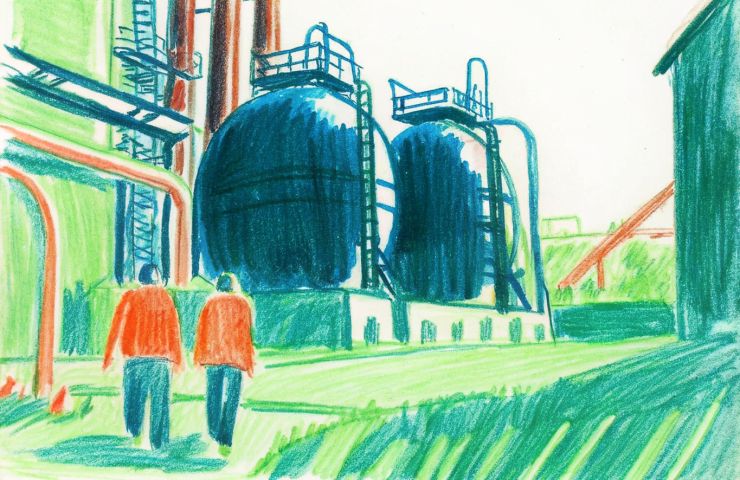
Compostilla Green is entering a formal regional approval process in Cubillos del Sil (Spain) as a proposed integrated complex that could reshape green hydrogen production and sustainable aviation fuel synthesis in Spain. Regional-government communications from the Junta de Castilla y León indicate that the authority opened a regional-project approval procedure earlier this month to assess the proposal’s territorial and environmental conditions. The step places the plan under an official review that will examine how the site fits into local land use, infrastructure and environmental constraints. For the proponents, it is the beginning of a sequence of regulatory checks before any construction can proceed.
A Regional Energy Renaissance
Cubillos del Sil, a former coal and thermal-power hub in the El Bierzo comarca, is poised for transformation under the Just Transition framework. According to the Instituto para la Transición Justa, the region has lost hundreds of jobs due to mine and plant closures, making renewable projects a key to local economic revival. The prospect of new activity has drawn particular attention because existing industrial plots and electrical connections remain in place. Compostilla Green’s arrival represents a chance to repurpose existing industrial land and electricity infrastructure while creating an integrated microcosm of the broader hydrogen-valley concept. Municipal register data indicate Cubillos del Sil has 1,746 residents, supporting local workforce planning. Planners point to El Bayo Ampliación—adjacent to the site of the former Compostilla II coal plant—as uniquely suited to host large-scale electrolysis units, given its ready access to high-voltage connections, rail spurs and wastewater treatment channels. Platform records indicate the design also covers water-treatment, cooling, compression, storage and control systems. Local stakeholders hope this scheme could catalyze a cluster of green-tech enterprises, leveraging expertise from mining and energy backgrounds and offering employment alternatives in a community shaped for decades by extractive industries.
Ambitious Renewable Hydrogen Capacity
The heart of Compostilla Green is its 250 MW alkaline electrolysis plant, as detailed in the regional-project documentation. This capacity could target an annual output of around 38.1 kilotonnes of hydrogen, according to project-affiliated materials. Alkaline electrolysis uses electricity and a potassium-based electrolyte to split water into hydrogen and oxygen, a mature method recognized for its reliability at scale, according to the International Energy Agency. The design calls for modular electrolyzer trains that can ramp output to match variable renewable power, the documentation indicates. By leveraging renewable electricity through power-purchase arrangements, the project aims to meet European criteria for renewable hydrogen. In other words, the layout is intended both to deliver significant hourly output and to flex with the intermittency of wind and solar supplies that would feed the electrolysers.
Integrated e-SAF Synthesis on Site
Rather than selling hydrogen as a standalone commodity, the complex is designed to convert renewable hydrogen and biogenic CO₂ into synthetic aviation fuel via reverse water-gas shift and Fischer-Tropsch processes. Project-affiliated materials project an annual e-SAF output of approximately 59,460 tonnes and a naphtha co-product of about 11,076.8 tonnes. The design includes onsite carbon capture to recover biogenic CO₂ from a nearby biomass stream, as described in the regional-project file. According to the European Union Aviation Safety Agency, lifecycle emissions of sustainable aviation fuel depend heavily on feedstock and production conditions. Partners have described this integrated layout—including water treatment, gas compression, storage and control systems—as having significant potential for regional-scale fuel synthesis. The intention is to keep value-added processing on site so hydrogen is upgraded into finished fuel products rather than moving as a raw stream to distant facilities.
Collaborations Fueling Progress
The formal project promoter, Perseus Power, S.L., is a special-purpose vehicle linked to RIC Energy, which the company indicates led Spain’s first hydrogen-valleys funding call. According to RIC Energy, a memorandum of understanding with Siemens lays the groundwork for technical and financial cooperation in renewable hydrogen, green ammonia and e-fuel projects. RIC Energy says this networked partnership aims to integrate electrolyzer stacks, synthesis reactors and digital automation systems within a unified platform. That description emphasizes systems integration: electrolyser hardware, downstream chemistry and the digital controls that coordinate power, water and carbon inputs. The firms portray the arrangement as a joint effort to combine engineering, software and finance in order to assemble a functioning industrial chain on a single site.
Public Backing and Just Transition Impact
Public support is a key driver: the project received an allocation of roughly €81.4 million through Spain’s hydrogen-valleys programme, according to the Instituto para la Diversificación y Ahorro de la Energía (IDAE). IDAE reports this funding forms part of Spain’s Recovery, Transformation and Resilience Plan under NextGenerationEU. The Ministerio para la Transición Ecológica y el Reto Demográfico cites forecasts of about €700 million in total investment and an estimated 240 stable jobs once operational. The Junta de Castilla y León indicates a 45-day public consultation period and an ordinary environmental-impact assessment covering water use, air emissions, traffic and noise. While final construction approval and offtake agreements remain pending environmental review, these projections offer a blueprint for economic and climate benefits in the former coal basin. Supporters point to the combination of public funds and planned private investment as essential to bridge the near-term gap between planning and physical development.
Catalyzing a National Hydrogen Network
Compostilla Green is one of seven large hydrogen valleys selected for support in the first funding round, IDAE indicates, forming a backbone for Spain’s emerging network of renewable-hydrogen clusters. IDAE expects this cluster model to drive economies of scale, streamline permitting and accelerate market development. Together, these valley projects aim to install over 1 GW of electrolyzer capacity and create thousands of jobs by the end of the decade, potentially positioning Spain as a European leader in integrated hydrogen infrastructure. The strategy relies on concentrated industrial hubs to shorten supply chains, aggregate demand and lower unit costs through shared services and infrastructure.
A Glimpse into the Future
Project partners indicate that if Compostilla Green secures final permits, it may inspire similar integrated hydrogen and fuel-synthesis complexes across Spain. Company materials also project over 2,000 direct construction roles during the build phase, though these figures have not been independently verified. According to RIC Energy, the next milestones include completion of the environmental-impact assessment, final design approval and financing closure. By combining large-scale electrolysis with carbon capture and fuel upgrading on one site, the project could demonstrate how industrial decarbonization and aviation-fuel demand converge. It would offer a working example of a regional decarbonization network that connects renewable energy, clean fuels and local economies — a practical reference point for policymakers and industry alike.