Green Hydrogen Production Expands at Wyhlen with New 5 MW Electrolyzer
EnBW and naturenergie boost green hydrogen production at Wyhlen with a new 5 MW PEM electrolyzer, expanding capacity to 6 MW and testing a full regional hydrogen value chain.
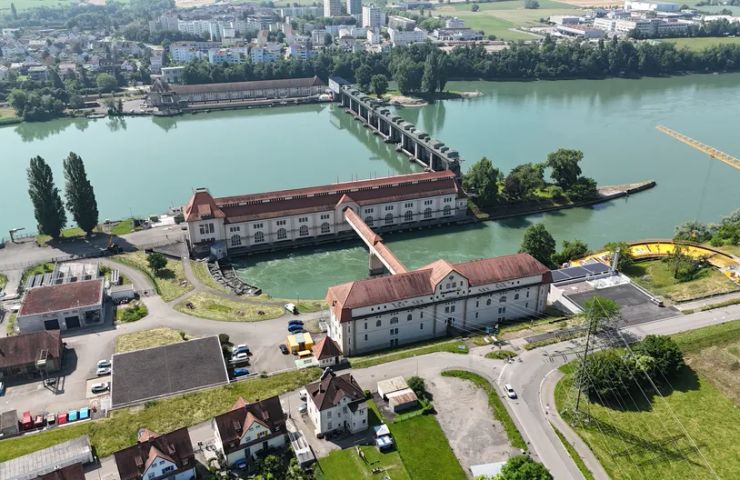
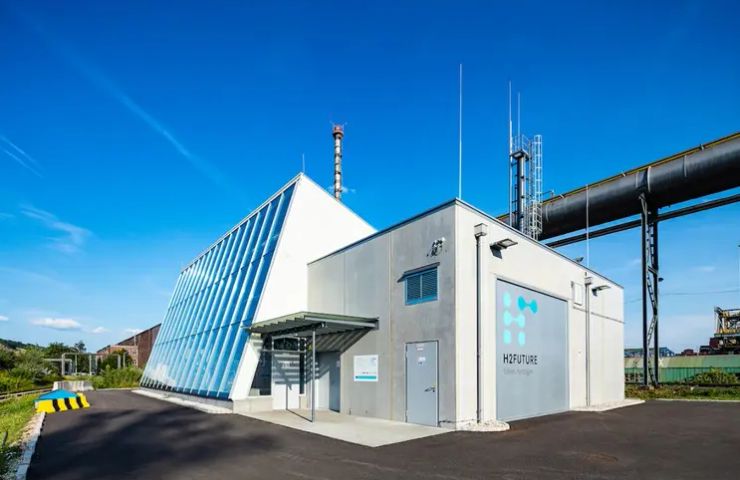
EnBW Energie Baden-Württemberg AG and naturenergie hochrhein AG inaugurated a new 5 MW proton-exchange-membrane (PEM) electrolyzer at the Wyhlen hydropower site in Grenzach-Wyhlen, according to EnBW Energie Baden-Württemberg AG. Supplied by Plug Power Inc., this unit complements an existing 1 MW alkaline electrolyzer and brings total site electrolysis capacity to 6 MW. The installation increases on-site electrolysis capability without changing the underlying renewable generation asset. In other words: an additional pathway to turn renewable electricity into hydrogen now operates alongside an already deployed system. The announcement frames the addition as a capacity upgrade rather than a replacement, preserving the role of the alkaline unit while introducing faster-response electrolysis capability.
A Regional Hydrogen Hub Powered by Historic Hydropower
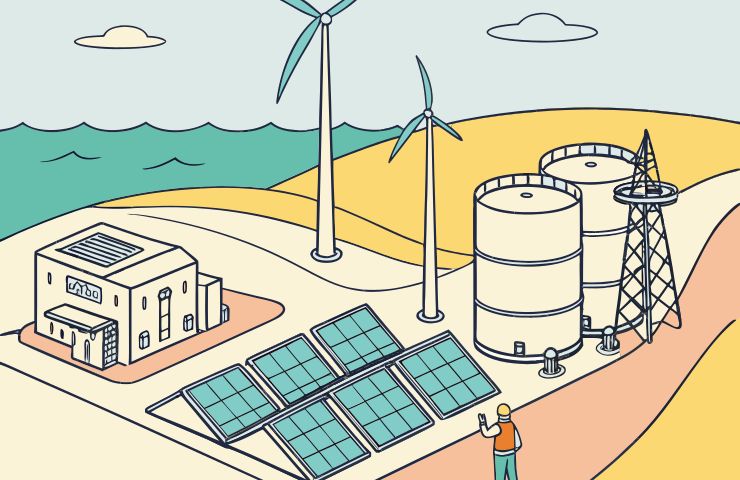
The two electrolyzers are directly coupled to the neighbouring 38.5 MW run-of-river hydropower plant operated by naturenergie hochrhein AG, reports naturenergie hochrhein AG. Built between 1907 and 1912 and modernized in the early 1990s, the plant continues to supply renewable electricity to the new systems on site. That hydropower output now serves as the proximate power source for electrolysis rather than being exported only as grid electricity. The municipality of Grenzach-Wyhlen had 15,260 residents at the May 2022 census, official statistical data show. By repurposing hydropower output into hydrogen, the project links a century-old renewable asset to modern clean-energy goals. The coupling creates a localised value chain: generation, conversion and initial storage all occur within a single site footprint.
Flexible Electrolysis Paired with Applied Research
The new PEM electrolyzer can adjust output rapidly in response to fluctuations in hydropower availability, EnBW project documentation states. Rapid ramping is a defining capability of PEM systems and, in this configuration, it is being used specifically to follow the variable output of the run-of-river plant. In contrast, the existing 1 MW alkaline system is configured for steady, continuous operation. The two technologies therefore offer contrasting operational profiles: one tuned to flexibility, the other to endurance. Together, they enable the Zentrum für Sonnenenergie- und Wasserstoff-Forschung Baden-Württemberg (ZSW) to monitor performance under varied operating modes and develop manufacturing-optimized stack designs. ZSW’s technical monitoring aims to identify efficiency gains, durability improvements and scale-up pathways for large-scale electrolysis. The partnership is structured so that field data from both electrolyzers feed laboratory research, informing stack design choices that reflect real operating conditions rather than idealised tests.
From Trial Operation to Commercial Rollout
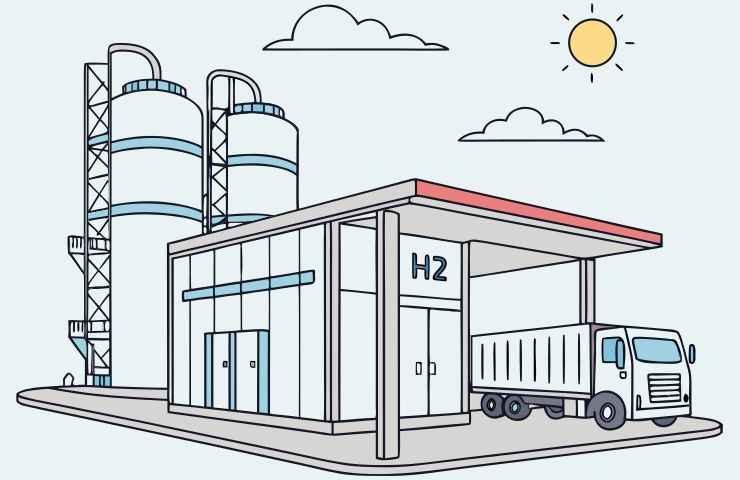
According to EnBW Energie Baden-Württemberg AG, the PEM unit produced its first hydrogen by the end of July, while gas-processing, compressors and storage equipment remain under testing. Equipment checks are ongoing even after initial hydrogen production—an expected sequence in complex projects that combine multiple subsystems. The expansion adds up to 3.8 tonnes of new stationary storage—raising total capacity to approximately 5 tonnes—and increases truck-filling positions from three to seven. Those increases change the site’s logistics profile: more stored volume and more simultaneous truck fills. EnBW indicates technical commissioning is expected by year-end, followed by a trial phase. Commercial operation, managed by naturenergie hochrhein AG, is planned for early 2027. The staged timetable separates technical readiness from commercial availability and allows for an operational trial before regular market activities begin.
Consortium Collaboration and Social Acceptance
The H₂-Wyhlen real-world laboratory brings together diverse partners. EnBW leads research coordination, while naturenergie hochrhein AG will operate the facility commercially. Plug Power supplies the PEM electrolyzer, ZSW contributes applied electrolysis research, and Holzapfel Group focuses on galvanic electrode‐coating development to enhance durability. Dialogik gGmbH conducts citizen and stakeholder surveys to analyse social acceptance of hydrogen storage, compression and transport near the Rhine and residential areas. That social-research component runs in parallel with technical trials. In practice, engineers will evaluate performance and materials while social scientists gather local views on siting, safety perceptions and the acceptability of increased industrial activity close to communities. The combined approach aims to produce technical data and community feedback that together inform deployment decisions.
Public Funding, Economic Outlook, and Policy Context
The German Federal Ministry responsible for the Reallabore der Energiewende programme has provided about EUR 15 million in support, while EnBW reports total project costs of roughly EUR 40 million. The public contribution thus covers a significant portion of the project budget, but not its entirety. The real-world laboratory is intended to test the full hydrogen value chain—electrolysis, purification, compression, storage, distribution and end-use applications—under authentic operating conditions, the ministry states. Testing these chain elements on a single site allows for a continuous assessment of technical interfaces, operational trade-offs and cost drivers. Outcomes will inform whether a locally integrated green hydrogen system can achieve economic viability once public funding ends. Evaluators will therefore be watching capital-intensity, operational costs and the potential for cost reductions through learning and scale.
Linking to National Electrolyzer Targets
Germany’s updated National Hydrogen Strategy raised the domestic electrolyzer target from 5 GW to at least 10 GW by 2030. H₂-Wyhlen provides practical insights into integrating renewable generation with flexible electrolysis and regional distribution. Those practical insights are intended to help translate high-level targets into implementable projects at the regional scale. EnBW notes that certification under EU RFNBO rules, transport logistics and offtake agreements will be critical to achieving competitive hydrogen costs. Without those regulatory and commercial frameworks, the pathway from pilot to scale is more uncertain. Lessons from Wyhlen could shape future investments in hydrogen infrastructure across the Upper Rhine and beyond.
By coupling historic hydropower with modern PEM and alkaline electrolysis, H₂-Wyhlen represents a significant step toward scalable green hydrogen production. The site is assembled to produce technical data, surface operational challenges and test social responses within a working environment. Its findings on operational flexibility, technical performance and social acceptance will feed into Germany’s broader efforts to develop a regional hydrogen economy and meet ambitious climate targets. If those findings demonstrate repeatable pathways to cost reduction and community acceptance, they may inform subsequent projects that aim to integrate renewables, electrolyzers and local distribution at similar river-based generation sites.