ACME Group Moves Forward with a $3.6 Billion Green Ammonia Project in Odisha
ACME Group has completed a final investment decision to move forward with a $3.6 billion green ammonia project in Odisha, signaling progress in India's renewable energy initiatives.
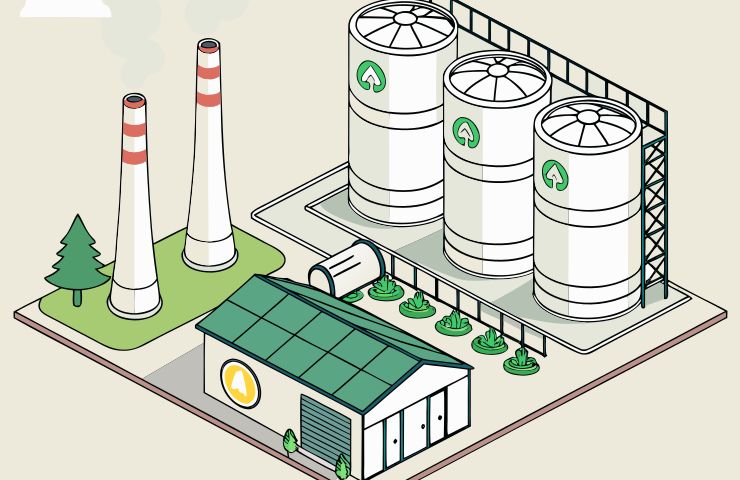
ACME Group has made strides in renewable energy by completing the final investment decision for a substantial green ammonia project in Odisha, India. The company reports an investment of approximately $3.6 billion to build the facility. Once built, the plant is intended to produce 760,000 tonnes of green ammonia each year, with an expected commissioning date set for 2029. The decision marks a major capital commitment and sets a clear timetable for construction and start-up, while leaving room for timetable adjustments as the project advances.
How does green ammonia production work?
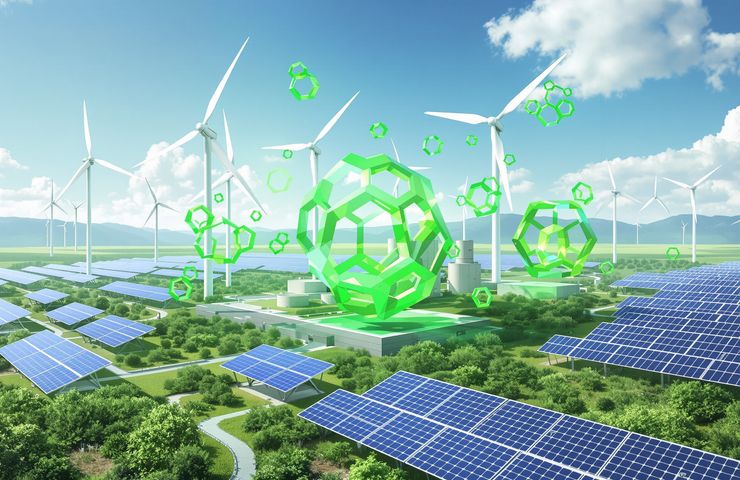
At the centre of the process is the use of renewable electricity to power electrolysers. Those electrolysers split water into hydrogen and oxygen. The hydrogen is then combined with nitrogen drawn from the air through the established Haber-Bosch synthesis process to form ammonia. This approach replaces traditional production methods that rely on fossil fuels, significantly reducing carbon emissions. In practice, that means the energy inputs to hydrogen production are intended to come from renewable sources rather than from fossil-fuel-derived electricity or direct use of hydrocarbons.
Adding to the project's technical credibility is thyssenkrupp Uhde, a leading engineering firm from Germany, appointed as the technology partner. They are responsible for designing a key ammonia synthesis loop capable of processing 2,200 tonnes per day. The involvement of thyssenkrupp Uhde, and the specified processing capacity, are central technical details for the plant’s intended output and operational scale. Design choices around the ammonia loop will influence how the facility matches hydrogen supply from electrolysers with synthesis requirements at scale.
Strategic Collaborations
ACME has also secured offtake and supply arrangements as part of its commercial plan. The company has signed an offtake term sheet with IHI Corporation from Japan, covering commitments for the export of 83,000 tonnes of green ammonia. Separately, 370,000 tonnes of the planned output has been allocated for domestic supply, targeting Indian fertilizer companies through the Solar Energy Corporation of India (SECI), as part of India's Strategic Interventions for Green Hydrogen Transition (SIGHT) framework. These allocations form a substantial portion of the plant’s intended annual production and indicate both export and domestic market strategies.
Creating a Cleaner Future
ACME positions the project as part of a broader shift in India’s energy and industrial landscape. The company says the facility could supply multiple markets, extending beyond domestic fertilizer companies to international buyers in Japan and the European Union. ACME emphasizes its commitment to achieve compliance with the EU’s Renewable Fuels of Non-Biological Origin (RFNBO) standards, which underscore the requirements for additional renewable generation. Meeting those standards would require the project to align its renewable electricity inputs with the RFNBO criteria as defined by the EU.
The decision to situate the plant at the Gopalpur Industrial Park takes advantage of existing industrial infrastructure and proximity to maritime transport routes, facilitating export logistics. That location is intended to simplify shipping and reduce transport complexity for international deliveries. In support of the site selection, ACME has partnered with Tata Steel Special Economic Zone Limited for land arrangements, contributing to the industrial park’s development and the project’s ability to integrate with nearby industrial operations.
Positive Economic Impact
Beyond environmental considerations, ACME projects regional economic benefits tied to the plant. The company expects the project to spur economic growth in the region through employment opportunities and industrial advancements connected to renewable energy generation and chemical manufacturing. ACME's plans aim to create jobs and stimulate associated sectors without offering specific employment figures at this stage. Local suppliers and service providers are likely to be affected as construction and operations progress.
Looking Ahead
As the global energy landscape becomes increasingly environmentally conscious, ACME's green ammonia project is presented as a step toward cleaner production methods. The company notes that specific operational timelines remain dynamic, reflecting the typical uncertainties of large-scale construction and commissioning. Still, ACME stresses collaboration and sustainability as central elements of the initiative, and suggests the project could serve as a model for similar developments in the sector if it proceeds as planned.
Overall, the competitive market conditions and policy backing from both Indian and Japanese governments could catalyze similar green initiatives across the globe. Observers and stakeholders will watch how ACME navigates regulatory standards, market demand and technical execution while maintaining compliance with environmental standards and optimizing production efficiency. The company’s next milestones will include detailed engineering, financing arrangements and progress against the commissioning schedule toward the planned 2029 start date.