Waste-to-Hydrogen Infrastructure Boosts Green Hydrogen Production in West Java
Hyundai Motor Group, PT Pertamina and the West Java government are piloting a waste-to-hydrogen project at Sarimukti landfill to convert biogas into low-carbon hydrogen, tapping into existing CNG infrastructure and supporting circular economy and clean energy goals.
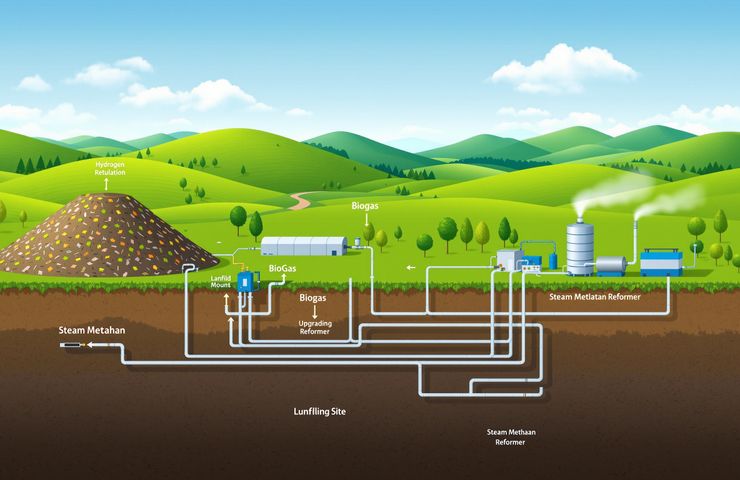
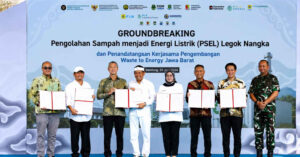
We’re really excited to announce a groundbreaking partnership that aligns perfectly with Indonesia’s move toward clean energy! Hyundai Motor Group has joined forces with PT Pertamina (Persero) and the West Java Provincial Government to kick off a waste-to-hydrogen pilot project at the Sarimukti landfill just outside Bandung. The main goal here? To capture biogas filled with methane from decomposing waste, transform it into biomethane, and then convert that into low-carbon hydrogen for use at refueling stations. It’s all about turning a local environmental problem into a clean energy solution!
This partnership tackles three big challenges at once: cutting down methane emissions from landfills, building up hydrogen infrastructure, and showcasing a circular economy in action. Sarimukti is the perfect testing ground since it manages around 80% of the 1,500 tons of waste that’s generated daily in Bandung. By utilizing Pertamina’s existing network for compressed natural gas, the project aims to save money and accelerate deployment. It’s all about seamlessly integrating renewable hydrogen into well-established facilities, making a real difference from day one.
The Idea is Simple but Powerful
Every single day, organic waste sits in landfills and releases biogas. The beauty of our plan? It’s straightforward yet impactful: capture that biogas, clean it up by removing moisture and carbon dioxide, and then channel the methane into a steam methane reformer to produce hydrogen and carbon dioxide. The hydrogen can then be purified and compressed to use as fuel. This approach builds on tried-and-true industrial chemistry, but adds a circular twist by starting with waste instead of fossil fuels. It’s a win-win!
By upgrading biogas instead of just burning it off, the partners create a more valuable final product while providing significant environmental benefits. Proper gas management can help reduce landfill fires, bad smells, and pollution risks, while also opening doors to hydrogen-powered buses or industrial applications. We're talking about a closed-loop system that takes yesterday’s trash and turns it into tomorrow’s clean energy, all while slashing those pesky methane emissions.
Solving Real-World Problems
West Java is facing some serious waste management challenges due to its dense population and limited landfill space. Issues like leachate, fires, and uncollected methane have created health risks and environmental concerns for nearby communities. This waste-to-hydrogen initiative aims to stabilize the landfill site, reduce air pollution, and tackle methane leaks, all while offering a clean fuel option instead of diesel or petrol.
As cities push to reduce carbon emissions in transportation, hydrogen fuel cells are stepping up as a top zero-emission choice. This pilot project paves the way from municipal waste directly to vehicle refueling—an immediate, hands-on solution for areas that might not have massive solar or hydropower resources, but do generate consistent waste. In short, it’s bringing real solutions to urban sustainability issues!
Made in West Java, Made for West Java’s Future
What really sets this project apart is its focus on local resources and execution. By tapping into West Java’s waste and Pertamina’s existing infrastructure for compressed natural gas, most of the project’s value chain stays close to home. Local contractors will manage the upgrades to the site, including civil works, gas piping, and equipment installation, while also creating training programs to boost skill sets in the community.
“Made in West Java, made for West Java’s future” captures this local-first mentality. The facilities and workforce developed right here could spark a network of hydrogen stations throughout Indonesia, enhancing energy security and economic resilience—all while setting an example for circular energy initiatives.
Tapping into Local Expertise
This initiative brings together key players from Pertamina—like PT Pertamina Power Indonesia, PGN, and Pertamina Patra Niaga—all collaborating with Hyundai’s cutting-edge hydrogen reforming and refueling technology. Each organization plays a crucial part in this ecosystem: collecting and upgrading biogas, steam methane reforming, compression, and running the stations. It’s a team effort that capitalizes on Indonesia’s existing gas infrastructure and industry skill sets.
Building Hydrogen Infrastructure
Instead of starting from scratch, this project is smartly repurposing an existing compressed natural gas filling site to manage hydrogen compression, storage, and dispensing. This not only cuts down on capital expenses but also shows how emerging hydrogen infrastructure can blend with current assets. It’s a practical example for other regions to emulate, proving that we don't have to start completely from scratch when building hydrogen refueling stations.
Positive Environmental Impact
Capturing methane from landfills is a huge win in the fight against greenhouse gases. Considering methane has more than 25 times the warming potential of carbon dioxide over a century, preventing its release has big implications for climate action. By converting that captured gas into hydrogen, this project achieves a double environmental benefit: first by avoiding methane emissions, and second by replacing fossil fuels with clean hydrogen.
Local Economic Benefits
But it’s not just about the environment; this pilot is also a boost for West Java’s economy. The construction and operation of the plant are set to create skilled jobs in areas like engineering, safety, and maintenance. Local vendors and service providers stand to gain contracts, all while workforce training programs will equip the community with valuable expertise in hydrogen infrastructure, an industry that’s only going to grow.
Integration with National Strategy
This waste-to-hydrogen project fits neatly into Indonesia’s national hydrogen and ammonia roadmap, which seeks to diversify the energy mix and enhance clean fuel supply. By leveraging landfill biogas instead of relying solely on electrolysis, the partners are carving out a practical pathway for regions where renewable electricity might take time to ramp up. Plus, it helps set up the right policy frameworks around hydrogen purity standards, safety protocols, and commercial offtake agreements. The alignment with national and international clean hydrogen news really highlights the project’s broader significance and potential for replication.
A Forward-Looking Proof of Concept
As we wrap up the feasibility study and gear up for construction, we’re aiming to have the refueling station operational by around 2027—pending all the necessary approvals and tech integrations, of course. It’s a pilot project at its heart, but every design decision—from modular reformers to standardized station layouts—emphasizes how it could be replicated throughout Indonesia’s diverse regions. If this integrated approach proves robust and commercially successful, we could see more landfills transformed into local clean hydrogen hubs in the future. We can’t wait to see how this project influences the future of hydrogen infrastructure and circular energy solutions!