Sonatrach Partners with World Bank Institutions on Hydrogen and Emission Reduction Initiatives
Sonatrach partners with IBRD and IFC to reduce emissions and develop green hydrogen in Algeria, aiming to attract private investment and enhance its energy infrastructure.
Sonatrach, Algeria's state-owned hydrocarbons company, has signed a memorandum of understanding (MoU) with the International Bank for Reconstruction and Development (IBRD) and the International Finance Corporation (IFC). The pact is designed to explore cooperation on cutting methane emissions and reducing gas flaring, and to advance efforts in green hydrogen and its derivatives, including petrochemicals and fertilizers.
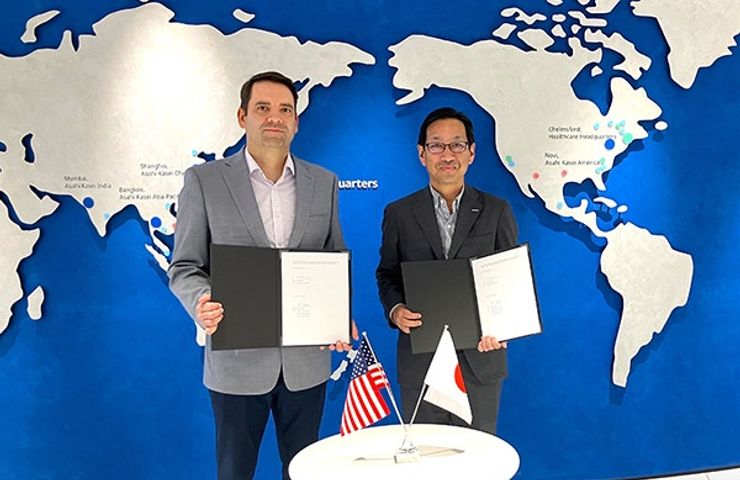
The signing took place in Algiers at the Algiers International Conference Center. It coincided with a workshop focused on climate finance and carbon markets. Those two events were held together, and the MoU arrived at a moment when Algeria is weighing how best to align its energy strategies with international sustainability goals.
The memorandum does not specify a particular project or investment amount. Instead, it outlines a cooperative framework: technical assistance, best-practice sharing, techno-economic studies, and skills development. As part of this initiative, Sonatrach will lead operational implementation, leveraging its extensive experience in the hydrocarbon sector.
Strategic Implications for Algeria
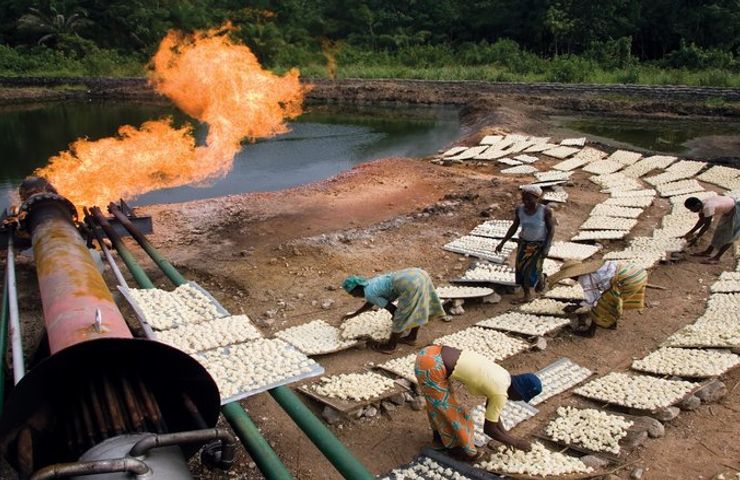
The agreement draws attention to persistent problems in Algeria’s oil and gas sector. Gas flaring and high methane emissions remain significant issues. Algeria has had regulations on flaring since 1966 and has joined international efforts to cut routine flaring through the World Bank’s Zero Routine Flaring by 2030 Initiative, yet official data show flaring rose from 7.6 billion cubic meters in 2012 to 8.6 billion cubic meters in 2022. Those figures underline the scale of the task that lies ahead.
Having both the IBRD and the IFC at the table broadens the conversation beyond public policy alone. Their involvement is intended to help ensure future projects are financially credible and able to attract private capital. Renewable technologies are central to that effort; the memorandum singles out methods such as electrolysis for hydrogen production as essential components in transitioning to more sustainable industrial practices.
Funding and finance expertise from the two institutions could play a pivotal role. By helping to identify viable projects and clarify financing pathways, they may improve the chances that proposed initiatives will be bankable. The MoU positions Algeria to pursue both domestic industrial applications of hydrogen and, concurrently, to explore international markets for hydrogen exports.
Future Directions in Hydrogen and Decarbonization
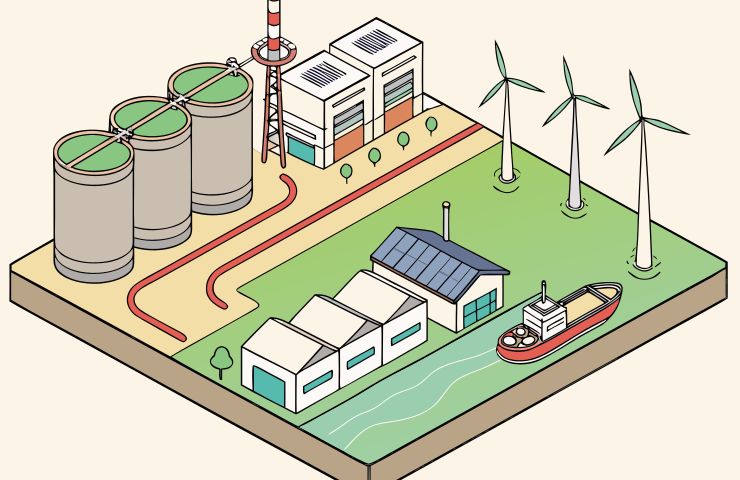
At the heart of the memorandum is a focus on alternative energy sources, particularly green hydrogen produced with renewable power. The document frames green hydrogen as part of a wider push toward industrial decarbonization, and suggests the partnership aims to move Algeria along that path.
Progress will not be straightforward. Producing green hydrogen at scale requires substantial renewable energy capacity and water resources. Careful planning and sizable investment are necessary to build the renewable and water infrastructure that green hydrogen production entails. Addressing those constraints is therefore presented in the MoU as a critical element for long-term success.
The memorandum also draws attention to downstream chemical derivatives. Ammonia is mentioned as an established product in the fertilizer sector. The MoU implies that successful hydrogen projects would need to consider not only hydrogen itself but also the economic prospects for linked chemical products, which have existing roles in Algeria’s industrial landscape.
Key Takeaways
- The Sonatrach-IBRD-IFC MoU marks an advance in Algeria’s climate finance strategy.
- It focuses on reducing emissions and developing sustainable hydrogen production.
- Future developments will depend heavily on international collaboration and the successful identification of bankable projects.
- Monitoring and addressing water use and environmental impacts will be crucial in the new energy landscape.
- Long-term commitments from international partners may facilitate Algeria's transition towards a more sustainable energy economy.
In short, the agreement lays groundwork rather than delivering immediate projects. It sets a framework for technical cooperation, financial assessment, and capacity building. If the stated commitments materialize into concrete, bankable initiatives, Algeria could strengthen its position in the global energy market while moving closer to international emissions targets. The MoU is a first step; much of the work — from refining techno-economic studies to resolving resource constraints — remains to be done.