Ministry of Power Showcases Green Hydrogen and Energy Storage Initiatives at IITF 2026
The Ministry of Power showcased green hydrogen and energy storage initiatives at IITF 2026, highlighting India's commitment to sustainable energy.

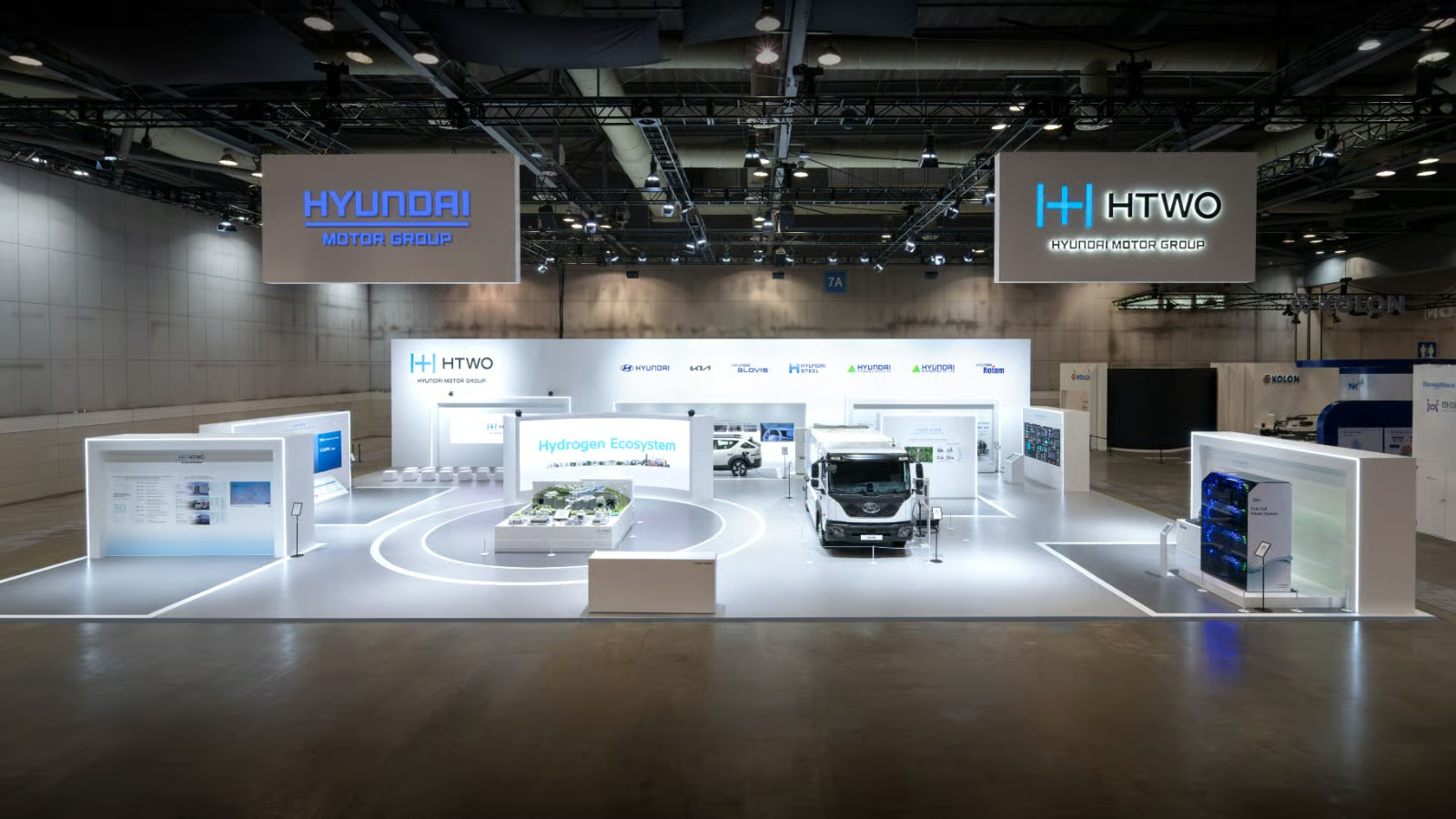
The Ministry of Power of India presented a pavilion at the recently concluded India International Trade Fair (IITF) 2026 in New Delhi, spotlighting initiatives related to green hydrogen, carbon capture, and energy storage technologies. The pavilion, located at Bharat Mandapam, served as a public exhibition space from mid-November to late November, showcasing India’s proactive stance in transitioning to sustainable energy sources.
Key Insights
- Featured exhibits included: plasma-assisted oxy-gasification for green hydrogen from waste, a model of the Pudimadaka Green Hydrogen Hub, various battery technologies, and carbon capture systems.
- The initiatives align with India’s National Green Hydrogen Mission, which aims for significant annual production targets by 2030.
- The displays indicate a commitment to integrating renewable energy technology with waste management solutions.
- Technological feasibility, however, remains untested for many exhibited systems, as they are still in demonstration phases.
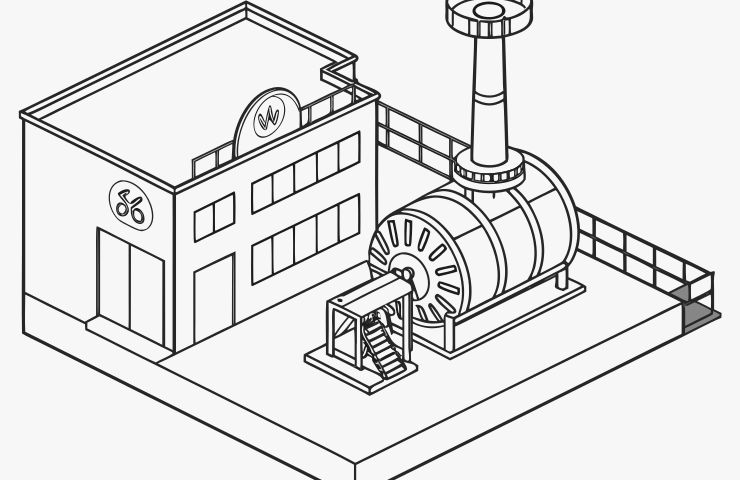
The Pavilion and Its Significance The pavilion functioned as a concentrated display of policy direction and technological demonstration. It gathered models, prototypes and explanatory exhibits intended for a general public audience as much as for industry stakeholders. Short demonstrations and visual models aimed to explain how specific approaches could fit into broader energy systems. The following initiatives were among the most prominent. 1. Plasma-Assisted Oxy-Gasification: This method aims to convert municipal and agricultural waste into hydrogen-rich synthesis gas. Presented at the pavilion as a possible bridge between waste management and hydrogen production, it offers a route to generate green hydrogen and address waste management challenges simultaneously. Demonstration equipment and explanatory material described the process in general terms and showed how feedstock from urban and rural waste streams could be treated. The technology remains at demonstration scale, however, and its large-scale operational performance was not presented as established. 2. Pudimadaka Green Hydrogen Hub: The exhibit included a model of the planned facility near Visakhapatnam. Organizers and displays emphasized that the hub is expected to integrate renewable energy sources with hydrogen production, storage, and transportation logistics. Project planners presented the hub as an example of how industrial complexes focused on green chemicals and hydrogen might be laid out. It is, nonetheless, in its planning stages, and materials at the pavilion framed it as potential rather than a completed development. 3. CO2 Battery Technology: Exhibitors showed a system described as utilizing a closed Brayton cycle to provide long-term energy storage. The material on display highlighted the approach as one of several methods intended to manage the variability of renewable generation over extended periods. At the pavilion the CO2 battery was positioned alongside other storage concepts to illustrate the variety of engineering paths that policymakers and companies are exploring. As with several other exhibits, the CO2 battery was presented as an innovative demonstration rather than as a widely deployed commercial product. 4. Vanadium Flow Batteries and BESS: A section of the pavilion was devoted to flow battery options and battery energy storage systems (BESS). The displays pointed to vanadium flow batteries as a scalable storage technology and to BESS as a complementary solution for grid stability. Materials highlighted the potential role these systems could play when solar and wind output lags or during peak demand. Presenters emphasized scalability and grid-support capabilities, while also noting that the technologies on show are at various stages of maturity. The collection of exhibits was curated to underline a simple theme: multiple technical routes are being explored to decarbonize industrial processes and to secure energy supplies. Visitors could see side-by-side demonstrations of conversion pathways, storage concepts, and infrastructure models. The visual contrast between a model hub, a technical schematic of oxy-gasification, and displays on storage technologies made the policy link tangible: India is mapping options as it builds capacity.
Strategic Implications
Taken together, the exhibits align with broader Indian policies aimed at industrial decarbonization and energy independence. The National Green Hydrogen Mission, aiming for a production target of at least 5 million metric tonnes of green hydrogen annually by 2030, was referenced repeatedly in explanatory panels and literature distributed at the pavilion. That target frames the context for much of the technology scouting and planning on display. Yet the pavilion also made clear that demonstration and planning do not equate to immediate commercial deployment. Many technologies showcased are not yet in full commercial operation; they remain demonstrations of potential. Policymakers and companies exhibiting at IITF 2026 framed the work as preparatory — an attempt to align research, infrastructure planning and industrial demand ahead of larger investments. The commercial viability of these initiatives, the material at the pavilion suggested, will depend on overcoming a range of economic, regulatory and technological hurdles. Those hurdles were mentioned repeatedly, albeit without granular detail. Cost structures, supply chain development, permitting and standards were implied as areas requiring further work. Deployment at scale will likely require follow-through across multiple fronts: financing, regulatory clarity and further technical validation. The pavilion thus served as a marker of intent: institutional commitment is visible, but practical steps remain to be taken before many of the technologies reach routine commercial use.
Conclusion
The Ministry of Power’s participation in the IITF serves as both a demonstration of policy intent and a public engagement effort. The initiatives shown at the pavilion are indicative of a strategic direction toward sustainable energy solutions that could significantly impact India’s energy landscape. Progress is ongoing. While the journey toward large-scale commercial hydrogen production and energy storage is not complete, these developments place India on a path to becoming a significant player in the global clean energy market.