New Collaboration For Hydrogen Production in Southern Spain
The Universidad de Cádiz and Fundación Campus Tecnológico de Algeciras are partnering for the II Congreso RH₂Enovables, aiming to recharge green hydrogen production and boost local economies.

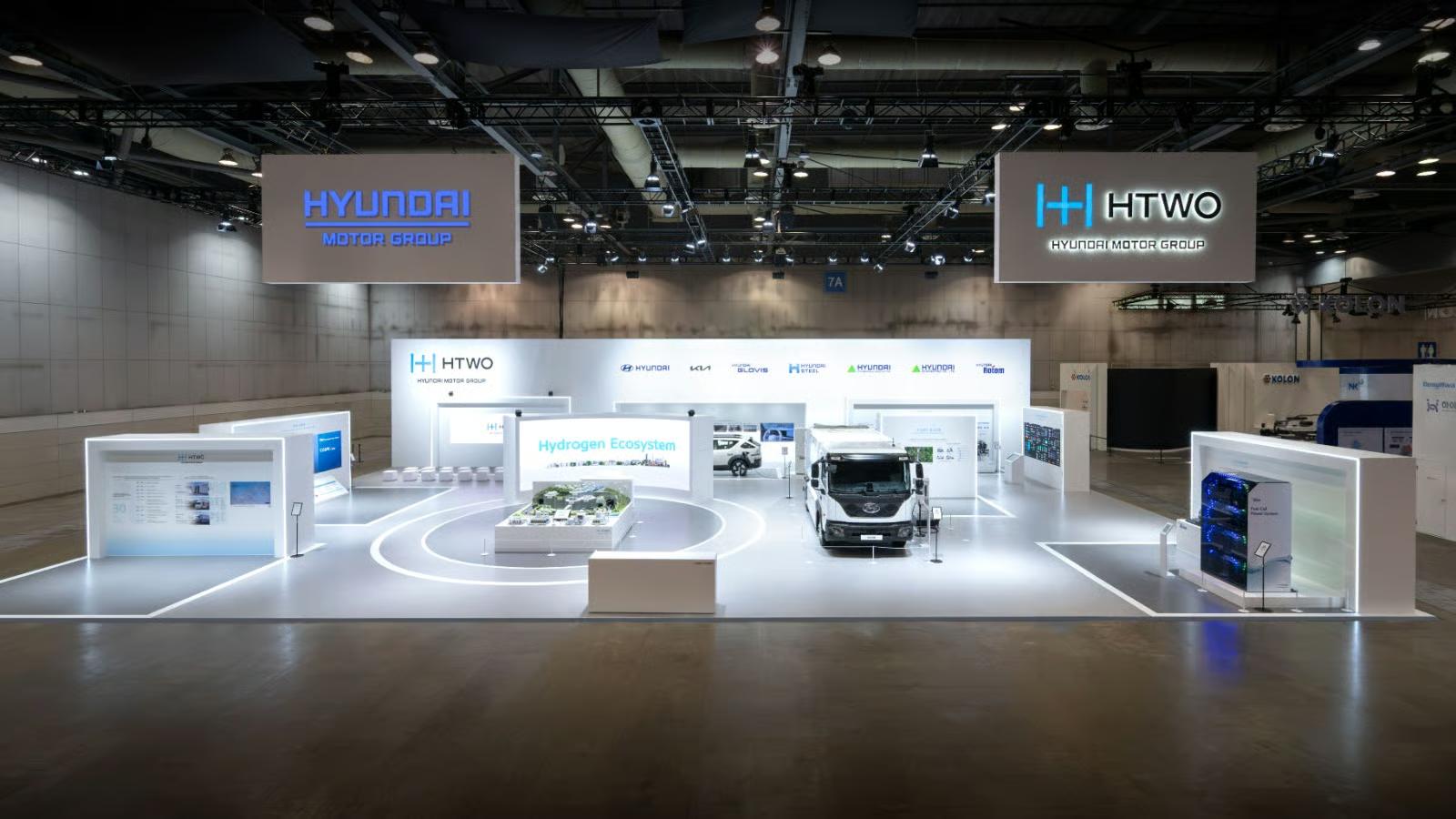
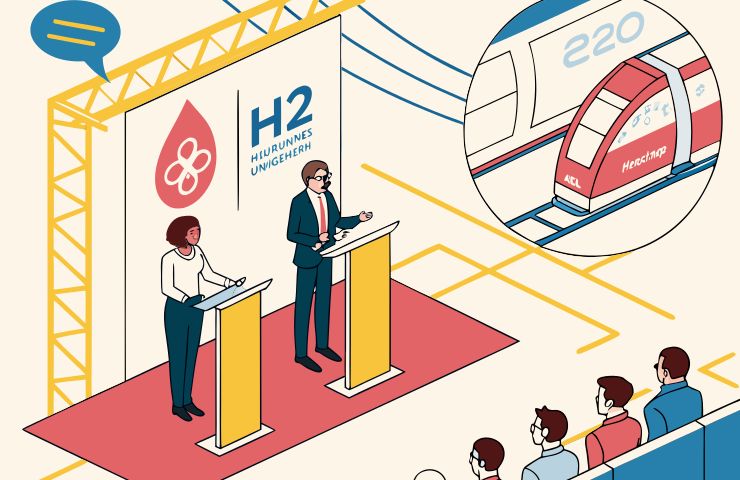
The Universidad de Cádiz and Fundación Campus Tecnológico de Algeciras have recently joined forces to co-organize the II Congreso RH₂Enovables para la Desfosilización Industrial, known as RH₂EDiN 2026. That collaboration brings institutional weight to a focused effort: advancing technologies for green hydrogen production and supporting the region’s ambitions in sustainable energy. Organizers framed the congress as a platform for technical exchange and coordination between academic researchers, technology developers and industrial stakeholders. Attendance and participation aimed to surface practical approaches to producing hydrogen from renewable power, to discuss barriers in moving those approaches into industrial use, and to map out how local capacity might be mobilized. In short: the event was positioned as a convening where ideas about hydrogen production met the realities of implementation, with an emphasis on local impact and sectoral relevance.
Harnessing Innovation for a Sustainable Future
At the congress, participants introduced cutting-edge technologies involved in hydrogen production and sustainable practices. The discussions concentrated on linking renewable power with electrochemical conversion. Specifically, the focus is primarily on renewable energy sources such as solar and wind energy for the production of hydrogen through electrolysis. Electrolysis, as described at the sessions, uses electricity to split water into hydrogen and oxygen. When that electricity comes from renewables, the hydrogen produced can be labeled as green hydrogen. That label matters because it ties the fuel’s lifecycle emissions to the source of the electricity. Presenters showed how pairing variable solar or wind supply with electrolysis units can create a steady output of hydrogen suitable for multiple downstream uses, and they outlined technical trade-offs tied to scale, intermittency management and system integration.
Addressing Real-World Challenges
The technological advancements discussed during the congress attend to pressing issues in various sectors—spanning from industrial applications to logistics and energy sustainability. Speakers and attendees examined use cases where hydrogen could be produced close to demand. The guiding concept is simple: produce hydrogen on-site using clean energy, then utilize it for electricity generation through fuel cells. Fuel cells convert hydrogen back into electricity and, according to the material presented, the only byproduct is water. That closed-loop image—electrons to molecules, back to electrons and water—was used to illustrate how local hydrogen systems can reduce local emissions while supporting continuity of supply. Attendees also debated the operational and regulatory hurdles that must be removed before on-site production and fuel-cell deployment can scale in industrial or logistics settings.
Economic Benefits and Job Creation
Beyond its environmental implications, this partnership is expected to have significant economic repercussions for the region. By leveraging local resources and expertise, the initiative is poised to stimulate economic growth, enhance energy security, and create job opportunities in the clean technology sector. Organizers emphasized how channeling existing technical skills and industrial capacity into hydrogen projects could boost regional economic activity without relying solely on external suppliers. The participation of industrial players such as EDP and Moeve, leaders in renewable energy projects, indicates a commitment to build upon the existing industrial infrastructure. Their involvement, as presented at the congress, was cited as evidence that private-sector actors see value in coordinating with academic and regional actors to translate pilot projects into sustained industrial deployments.
Tapping into Regional Expertise
Located in the strategically important Campo de Gibraltar region, the congress aligns perfectly with Spain’s broader hydrogen roadmap. Planners argued that proximity to ports, industrial clusters and renewable-resource sites gives the Campo de Gibraltar particular potential for hydrogen-related activities. The initiative not only aims for a robust hydrogen economy but also fosters an ecosystem that supports local manufacturing and innovation. Discussions covered pathways to strengthen supply chains for electrolysers, balance-of-plant equipment and fuel-cell systems while keeping production and assembly closer to end users. Among the topics raised were the need to develop comprehensive hydrogen infrastructure and to overcome barriers in hydrogen transportation and storage—issues presented as prerequisites for a functioning regional market and for wider integration with national plans.
Positive Environmental Impact
As the world grapples with climate change, the transition to hydrogen energy represents a key step forward. Utilizing hydrogen derived from renewable sources can decrease dependency on fossil fuels and lower greenhouse gas emissions significantly. Delegates at the congress described scenarios where industries replace traditional fuel sources with clean hydrogen for processes that are hard to electrify directly. In those scenarios, hydrogen serves as an energy carrier that can decarbonize high-temperature heat and transport segments, among other uses. The presentations stressed that, while hydrogen is not a universal solution, its targeted application could help industries lead the charge toward a more sustainable and resilient energy future by offering an alternative to fossil-based fuels in specific hard-to-abate sectors.
The collaboration at the congress not only proves beneficial for local industries and communities but also demonstrates a model for achieving broader sustainability goals. Organizers and participants framed the event as an example of how regional institutions can coordinate to accelerate deployment of low-emission technologies. The efforts undertaken by the Universidad de Cádiz and Fundación Campus Tecnológico de Algeciras embody the spirit of innovation, offering a template for other regions seeking to realize their clean energy potential. If those models are replicated—with attention to integration, workforce development and infrastructure—then the discussions and projects seeded at RH₂EDiN 2026 could influence both local development and Spain’s national approach to hydrogen deployment.