HyDéO Day 2026: Addressing Hydrogen’s Role in Energy Sovereignty
HyDéO Day 2026 in Toulouse highlighted hydrogen's role in fostering energy sovereignty, showcasing advancements and strategic implications for the industry.
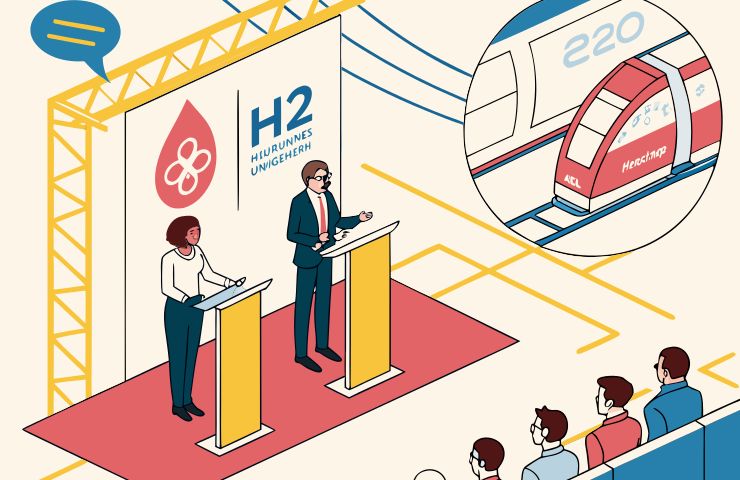
This November, hydrogen industry stakeholders convened at La Cité in Toulouse for HyDéO Day, a premier event centered on the strategic potential of hydrogen in addressing energy, technological, and industrial sovereignty in France and the broader European Union. Organized by AD’OCC and supported by the Occitanie Region and ADEME, the gathering encapsulated a pivotal moment in the evolving hydrogen narrative, where the benefits of a hydrogen economy are framed not only as environmental advancements but as geopolitical imperatives.
Discussions ranged widely. Some were technical. Others were plainly strategic. Collectively, they aimed to map how hydrogen might bolster both decarbonization goals and industrial autonomy across Europe.
Distinctively, HyDéO Day highlighted several key initiatives and discussions:
- Challenges and Opportunities: The conference underscored hydrogen's dual role as a tool for decarbonization and as an industrial asset. As Europe strives for self-sufficiency, discussions foregrounded potential dependencies stemming from imported technologies and hydrogen derivatives.
- Workforce Development: A presentation on hydrogen employment and skills development in Occitanie showcased initiatives aimed at building a knowledgeable workforce ready to meet the industry's demands.
- Panel Discussions: Multiple roundtables addressed pressing topics, featuring key organizations like France Hydrogène, Nel, and Airbus, tackling subjects from energy sovereignty to technological control.
The ambition articulated by the regional hydrogen strategy, which aims for a budget of €150 million and the potential to catalyze an initial €1 billion in investment by 2030, provided the economic backdrop to the event. That strategy frames policy and investment as mutually reinforcing: public resources to initiate development, private capital to scale it. The Occitanie Region's focus on fostering a sustainable hydrogen ecosystem therefore encompasses production, distribution, and applications, as well as engaging a diverse network of companies, universities, and research facilities.
Evolving Hydrogen Technologies
Innovations in hydrogen technologies were a prominent feature of HyDéO Day. Nel, a leader in electrolysis solutions, emphasized its provision of both alkaline and PEM (Proton Exchange Membrane) electrolysers, which are critical for producing green hydrogen by splitting water using renewable energy sources. The company framed electrolysis as a core technical pathway for scaling green hydrogen production when paired with low-carbon electricity.
Alstom demonstrated advancements in hydrogen-powered rail systems, particularly with their Coradia iLint trains, noted as the world’s first fleet of hydrogen-powered passenger trains. Those trains were presented not only as engineering case studies but as practical examples of how hydrogen can enter existing transport corridors. Yet speakers repeatedly returned to a single caveat: the environmental benefit of these applications depends heavily on the carbon footprint associated with hydrogen production.
Speakers at the event emphasized that technology demonstrations — whether electrolysers or hydrogen trains — are necessary but not sufficient. They need to be matched by low-carbon supply chains, accessible refuelling points, and the kind of regulatory support that transforms pilots into operating fleets.
Strategic Implications
The conference illuminated significant strategic implications surrounding hydrogen's role. Companies and governments are increasingly viewing hydrogen as not merely an energy alternative but as essential for maintaining industrial competitiveness. For instance, Airbus’s ongoing work with the ZEROe program explores hydrogen propulsion in future aircraft, promising a fundamental shift in aviation technology that aligns with environmental goals.
Presentations and panels repeatedly framed hydrogen through a geopolitical lens. With fossil fuel markets subject to volatility, proponents argued that hydrogen offers a means to diversify energy vectors and reduce exposure to external shocks. At the same time, several sessions warned of a different risk: that Europe could substitute one form of external dependency for another if it relies on imported technologies or feedstocks rather than building domestic capabilities.
That tension — between becoming architects of a hydrogen economy and remaining customers of external innovations — surfaced in multiple discussions. It underlined why policymakers and industry leaders at HyDéO Day emphasized local value chains, workforce training, and investment frameworks as instrumental to long-term sovereignty.
Speakers also addressed the practical barriers that must be overcome. High costs, infrastructure constraints and the current concentration of certain manufacturing capabilities outside Europe were cited as persistent challenges. These obstacles frame much of the policy debate: how to balance subsidies, incentives and industrial policy to accelerate deployment without locking in inefficient systems.
Looking Ahead
The ambition for a thriving hydrogen economy in Occitanie exemplifies broader European goals for sustainable energy. As industries collaborate to leverage hydrogen's potential, the focus must remain on fostering robust local capabilities rather than relying solely on imported solutions. That means aligning public budgets, private investment and academic research around clear deployment pathways.
Outcomes in the coming years will hinge on whether the region can translate strategic intent into operational outcomes. The success of the hydrogen strategy and developments like those discussed in HyDéO Day will ultimately hinge on whether the stated goals can transition from ambitious plans to operational realities. If the region manages to do so, the result would be not only reduced emissions but also strengthened industrial capacity. If it does not, the potential for hydrogen to contribute to both decarbonization and sovereign industrial renewal will remain limited.
For now, HyDéO Day served as a concentrated snapshot of where hydrogen stands: technically promising, strategically charged, and still dependent on policy, investment and coordinated action to reach its potential. The questions posed at La Cité are concrete. They concern money, skills, supply chains and control over technology. The answers will determine whether regions like Occitanie can secure both energy goals and industrial advantage.