Hydrogen Production Methods: Wood Models $0.56/kg Cost for Eclipse Energy’s Subsurface Route
An independent Wood assessment finds Eclipse Energy’s RenovaStrata H2 could produce hydrogen at $0.56/kg with 0.076 kgCO2e/kgH2, leveraging depleted oil reservoirs and existing wells.
Eclipse Energy just shared some exciting news: they’ve wrapped up an independent techno-economic assessment of RenovaStrata H2, their innovative subsurface biotechnology platform aimed at turning depleted oil reservoirs into hydrogen-producing assets. The assessment suggests that this method of hydrogen production could drop to a levelized cost as low as $0.56 per kilogram, with a carbon intensity around 0.076 kgCO2e per kilogram of hydrogen. However, keep in mind that these figures represent Wood’s optimistic outlook rather than verified commercial output.
The subsurface route to clean hydrogen
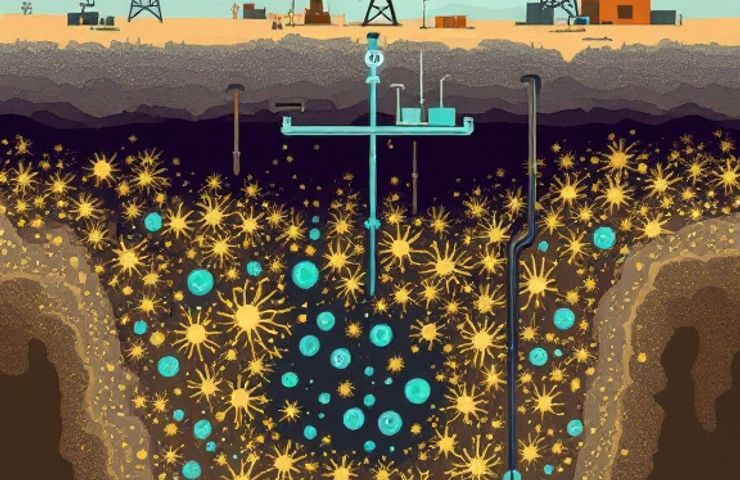
So, how does RenovaStrata H2 work? Instead of building new electrolysis plants on the surface, it cleverly repurposes old oil wells and taps into existing reservoir data. The process involves injecting water combined with a custom mix of microbes and nutrients into these legacy formations. Down below, the microbes go to work breaking down leftover hydrocarbons, creating a hydrogen-rich gas mixture. That gas is then brought to the surface through the same wells for separation and purification. By using existing infrastructure, Eclipse Energy aims to minimize initial costs and speed up deployment compared to green hydrogen production that relies on electrolysers and new pipeline construction.
From California field trial to financial model
The roots of this platform trace back to a field demonstration back in 2025, conducted in California’s San Joaquin Basin, originally under the name Gold H2. During that trial, microbes and nutrients were injected into a mature oil reservoir, leading to gas recovery that was reportedly about 40% hydrogen (equating to 400,000 ppm). While it’s confirmed that the trial happened, exact production rates and long-term performance details are still based on company reports. After that, Eclipse Energy teamed up with Weatherford to fine-tune field delivery, and later brought in Wood for an in-depth engineering and cost review.
Assessing cost and carbon
In their assessment, Wood took a close look at everything from capital expenses and operating costs to power supply scenarios and carbon management strategies. The $0.56/kg figure they came up with is a conservative estimate based on favorable conditions in the reservoir and financing assumptions. On the carbon side of things, the 0.076 kgCO2e/kgH2 result puts RenovaStrata H2 well under the U.S. Section 45V threshold needed for high-tier clean hydrogen credits. But, it’s worth noting that these results depend on a lot of factors: system boundaries, lifetime production, hydrogen recovery rates, and how by-products are handled. All these assumptions need to be publicly disclosed before regulators or investors can give their nod of approval.
Strategic implications for oil and gas
If this subsurface bio-stimulated hydrogen production can be scaled up consistently, it might create new revenue streams from once-depleted oil fields while also helping operators tackle abandonment liabilities. Plus, it could help extend hydrogen infrastructure into areas that already have wells and pipelines—sidestepping the hefty costs associated with building new greenfield electrolyser hubs. That said, this method comes with its own set of challenges, like managing microbial growth, gas composition variability, ensuring separation efficiency, maintaining well integrity, and handling produced water while monitoring for leaks or pressure changes.
Next steps and outlook
Shifting from just a techno-economic assessment to actual bankable projects is going to take multiple commercial-scale demonstrations, clear lifecycle inventories, and the necessary regulatory approvals. It’s crucial to gather solid data on hydrogen output over time, how efficient the separation is, and tackles net emissions accounting. As the buzz around clean hydrogen picks up, Eclipse Energy and Wood will need to transform these promising models into functioning facilities before this subsurface strategy can play a meaningful role alongside traditional electrolysis methods and fossil fuel options with carbon capture and storage (CCS).
For those keeping an eye on hydrogen news, the RenovaStrata H2 story is definitely one to follow. It’s challenging the usual assumptions about electrolysis and green hydrogen, while highlighting the potential of repurposing reservoirs for efficient industrial decarbonization.