Hydrogen Propulsion News: DLR Launches MODULARIS Floating Laboratory for Maritime Research
DLR has launched the hull of its MODULARIS floating lab in Flensburg, a 48 × 11.5 m vessel to test hydrogen propulsion, batteries and alternative marine fuels under real-world conditions, with final outfitting in Bremerhaven and research operations from Kiel in 2027.
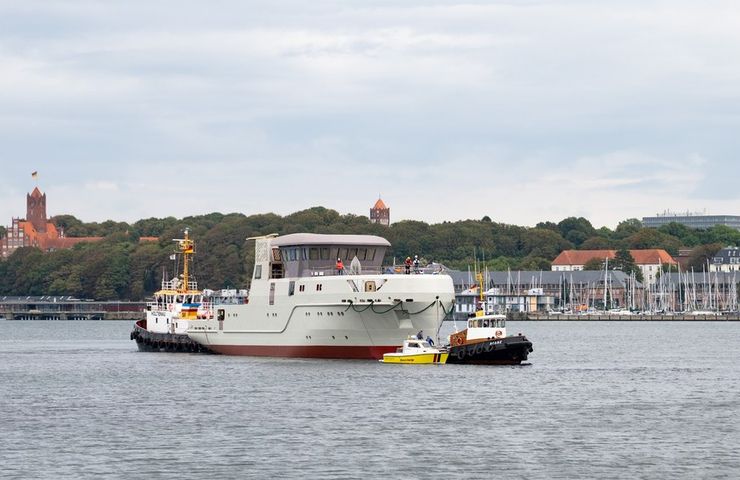
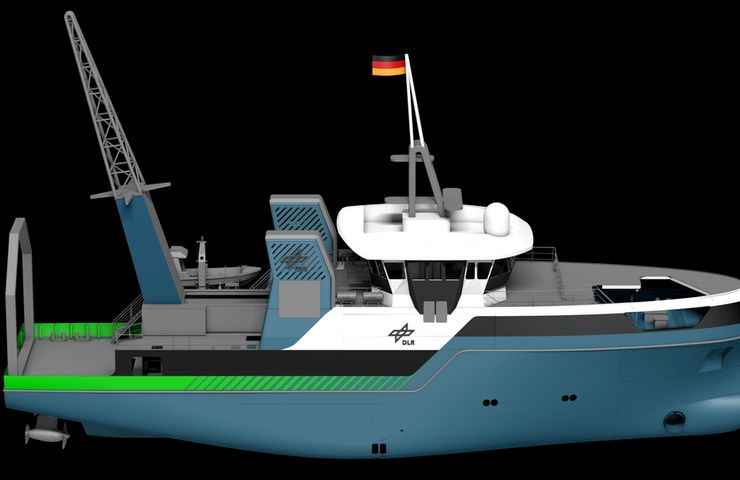
The German Aerospace Center, known as DLR, just launched the hull of the MODULARIS floating technology platform at the FSG Shipyard in Flensburg earlier this month. This is a huge step forward in maritime hydrogen research. This 48-meter-long, 11.5-meter-wide vessel is designed to be a modular testbed for hydrogen propulsion, battery energy storage, fuel-cell systems, and alternative marine fuels like methanol and ammonia. Plus, it’ll include advanced sensing, communication, and automation tech. The platform can host up to 20 researchers on missions lasting up to a week, mainly operating in the North Sea and Baltic Sea, with some trips planned into the Mediterranean once everything’s up and running.
From Flensburg to Outfitting
After a keel-laying ceremony in mid-2026, the basic hull made its debut at a well-attended launch event. Next, it’ll be towed through the Kiel Canal to Bremerhaven for final outfitting and technical completion at Lloyd Werft Bremerhaven. This final stage involves installing various experimental propulsion modules, a marine battery bank, sensor suites, communication arrays, navigation tech, and automation systems. Both FSG and Lloyd Werft are part of the Heinrich Rönner Group, which helps streamline the logistics and scheduling involved in transferring hulls. Meanwhile, DLR’s Institute of Maritime Technologies and Propulsion Systems has set up new labs and a dedicated mooring facility in Kiel to marry shore-based testing with upcoming sea trials. The completed platform is expected to kick off regular research operations from its home port in Kiel by 2027.
A Modular Platform for Alternative Propulsion
MODULARIS features a flexible swap-and-test architecture, making it easy for research teams to exchange propulsion and energy systems based on what they need for different campaigns. One module bay will be dedicated to hydrogen fuel-cell stacks, where compressed or cryogenic hydrogen reacts with oxygen to generate electricity, heat, and water. Another bay will take care of battery energy storage systems equipped with power electronics, thermal management, and battery-management controls for monitoring battery state and preventing fire. Additionally, a specialized engine room is set to trial combustion units that can run on methanol and ammonia, allowing for toxic-fuel handling, cracking, and emissions profiling. This setup is a game changer, helping save time and costs compared to commissioning a unique vessel for each concept, while also accelerating real-world testing under various loads and conditions.
Digital Twin and Autonomous Systems
Alongside sea trials, DLR is developing a digital twin of MODULARIS that will stream live sensor and performance data to a virtual model. This allows researchers to simulate control strategies, dive into failure scenarios, and refine testing methods before each journey. Onboard, radar, cameras, positioning sensors, and communication links will assist with automation and initial autonomous navigation experiments, including the integration of uncrewed drones for remote monitoring. Shore teams in Kiel will track test runs in real time, adjusting parameters and logging the vessel's responses to environmental challenges. With an open-access approach, smaller businesses are invited to validate their technologies alongside established industry players.
Supporting Certification and Industry Adoption
Sorting out the platform’s safety framework will come from classification by Lloyd’s Register, ensuring that all experimental modules are equipped with redundant control, ventilation, and emergency shutdown systems. Working with hydrogen and ammonia involves unique risks—think low energy density, detection challenges, toxicity, and nitrous-oxide emissions—while batteries also need strong protocols to prevent thermal runaway and fires. By testing equipment that hasn’t been certified yet, DLR hopes to collect the necessary data for safety assessments and refresh classification rules. This practical evidence is crucial for helping shipbuilders and owners transition from lab test successes to fully certified installations at sea.
Filling the Gaps in Maritime Decarbonisation
Marine shipping counts for about 2–3% of global greenhouse-gas emissions, but proving zero-emission solutions for longer journeys is still in its infancy. While lab tests show promising efficiency levels for green hydrogen production through electrolysis, actually integrating these systems on a moving vessel complicates things. Salt spray can compromise seals, vibrations can shorten system lifespans, and fluctuating power needs challenge control systems. By testing systems under genuine navigational loads, MODULARIS will gather valuable data about energy consumption, refueling schedules, and maintenance needs. This comparative analysis from hydrogen fuel-cell tests, battery-only runs, and those using methanol or ammonia will inform future hybrid designs or underscore the need for adjustments before rolling out any commercial solutions.
Strategic Leverage for German Maritime R&D
With around €36 million in federal funding behind it, MODULARIS reflects Germany’s ambition to uphold its maritime engineering expertise, boost supply chains, and fast-track low-emission innovations. This initiative aligns with the national hydrogen strategy, leveraging northern Germany’s expanding infrastructure for electrolyzers and hydrogen storage with future refueling trials. Public research, shipyards, and classification societies are collaborating to strengthen the domestic value chain in propulsion, energy, and automation. Regions like Schleswig-Holstein and Bremen are seeing renewed investments, revitalizing shipbuilding in the North Sea and Baltic. As the IMO updates its guidelines on alternative fuels and hydrogen systems, MODULARIS stands to serve as a hands-on example for training, engaging stakeholders, and setting standards. Access to trial data might cut down technical uncertainties and speed up market entry for involved companies.
Looking Ahead
Once MODULARIS is fully outfitted, it’ll embark on voyages lasting up to seven days, gathering crucial data on performance, safety, and how different systems work together across various fuels. This real-world evidence could significantly influence the design of future hydrogen-fueled or hybrid vessels, support the rollout of refueling infrastructure, and inform crew training programs. However, it’s essential to keep in mind that the platform itself won’t prove universal economic viability for hydrogen or ammonia. Its true value lies in shedding light on real-world trade-offs and guiding investment towards sensible pathways for decarbonization.
Final Thought
As the push for maritime decarbonization heats up, testing at sea is more important than ever. MODULARIS breaks free from the lab to offer a flexible platform for experimenting with new powertrains and digital systems in real conditions. Its success will rely on clear reporting, solid partnerships, and a commitment from regulators and operators to turn insights into standards. On the road to zero-emission shipping, this floating lab could become a crucial tool for change.