Hydrogen Compression Technology Secures €1.3M European Funding to Unlock Refuelling Infrastructure
Cavendish Hydrogen secured €1.3 million in European funding to advance its next-generation hydrogen compression technology, aiming to improve efficiency and reliability at refuelling stations.
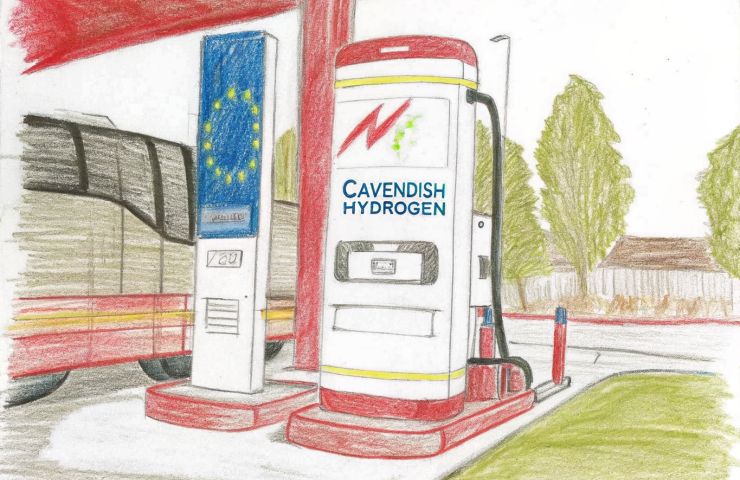
Cavendish Hydrogen just landed a hefty €1.3 million grant from European funds to supercharge its next-gen hydrogen compression technology. This is a big step in tackling one of the stubborn roadblocks we face in building out green hydrogen infrastructure: the need to deliver ultra-pure hydrogen at pressures between 350 and 700 bar, all while ensuring high efficiency, minimizing maintenance, and eliminating contamination risks.
Tackling a Major Challenge
Hydrogen's naturally low density at standard conditions means it needs substantial compression to be viable for mobility and industrial purposes. Research shows that compressors can gobble up a significant chunk—30 to 40%—of a refueling station's electricity and also eat into maintenance budgets. Traditional systems, which rely on piston, diaphragm, or screw mechanisms, often need oil lubrication and can suffer from mechanical stress, leading to frequent maintenance and concerns about hydrogen contamination.
Revolutionizing Compression Technology
According to the latest info from Cavendish Hydrogen, their cutting-edge design incorporates innovative sealing materials and smart thermal management, along with an isothermal-inspired compression cycle. Their goals are pretty ambitious:
In a typical refueling setup, you’d find the compressor nestled between the output from an electrolyzer (or bulk hydrogen deliveries) and onsite storage cylinders or direct-to-vehicle dispensers. They've integrated sensors to keep an eye on pressure, temperature, and vibration in real-time, ensuring everything runs smoothly no matter the demand.
A Perfect Fit for EU Hydrogen Policy
The European Union sees hydrogen as essential for decarbonizing heavy transport, industries, and energy storage solutions. While they ramp up production capacity faster than you can say “clean hydrogen,” crucial enablers—especially in compression and storage—remain vital for delivering affordable clean hydrogen. By chipping in for a specialist in compressors instead of just large electrolysis or storage projects, policymakers aim to address the subsystems that often hold back performance at stations.
Economic and Environmental Benefits
Imagine this: just a 10% uptick in compressor efficiency could mean a 3-4% drop in overall electricity consumption at the station, which translates to reduced costs for hydrogen production. Not only that, if maintenance intervals can be extended by 30-50%, it could significantly cut down on unplanned downtimes and spare part inventories—super important to fleet operators. Plus, from an environmental angle, when you pair a more efficient compressor with renewable energy, you’re really pushing down those indirect CO₂ emissions, improving the lifecycle assessments for hydrogen as a zero-emission fuel.
The Road to Commercialization
So, what will the European grant help them achieve?
By showing they can deliver strong, reliable results under operational conditions, Cavendish Hydrogen aims to secure follow-on commercial deals with station developers, OEMs, and energy suppliers looking for effective, hydrogen-specific compression solutions.
What’s Next?
In the coming months, they'll be zeroing in on key technical milestones like achieving target pressure levels, validating energy savings, and extending those all-important service intervals. Keep an ear out for news on pilot site selections and independent performance evaluations. If they nail the validation, it could unlock additional funding, speed up standardization efforts, and solidify Europe’s competitive stance in the hydrogen infrastructure landscape.
Learn More About Cavendish Hydrogen
Cavendish Hydrogen is a trailblazing Danish company specializing in advanced hydrogen compression and storage systems tailored for refueling infrastructure and industrial applications. Their solutions are all about cutting energy use, minimizing maintenance, and ensuring oil-free operation to support the reliable and efficient rollout of hydrogen mobility and distributed supply networks.