Hydrogen Infrastructure News: NYSERDA Opens $8M Fund for Clean Hydrogen and Ammonia Systems
NYSERDA’s $8 million PON 6161 fund aims to accelerate integrated hydrogen and ammonia infrastructure for hard-to-electrify sectors—mandating a 50 % cost share and aligning with New York’s zero-emission transport and climate mandates.
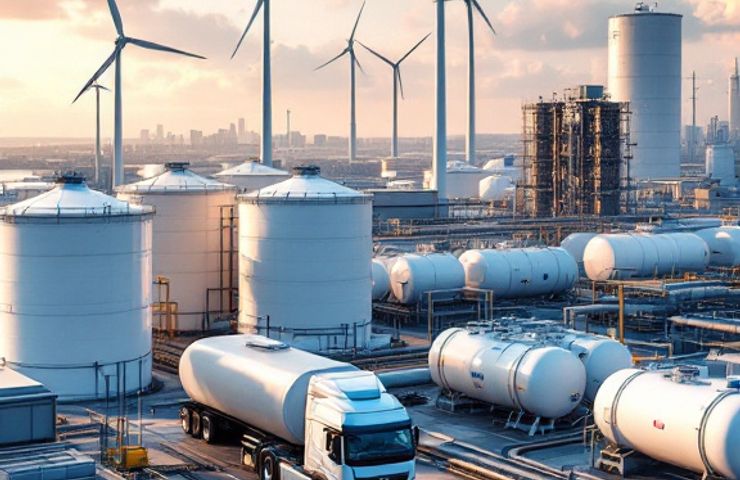
New York State is stepping up its game with an $8 million boost aimed at launching some serious clean hydrogen and ammonia projects. The New York State Energy Research and Development Authority (NYSERDA) has just rolled out Program Opportunity Notice (PON) 6161 under its Advanced Fuels & Thermal Energy program. This is all about finding the cash to push non-drop-in alternative fuels like clean hydrogen, green hydrogen production, and ammonia into the spotlight. They’re looking for proposals that cover everything from production to hydrogen storage and distribution, as well as high-capacity hydrogen fuel cell systems.
This is a game-changer for New York's hydrogen energy news, positioning the state as a potential testbed for super challenging sectors like heavy-duty trucking, industrial heating processes, and zero-emission backup power. Instead of focusing solely on hydrogen cars or battery-electric vehicles, New York gets that fully decarbonizing freight transportation and key facilities will need a mix of battery technology and the hydrogen fuel cell vs battery electric debate. Under PON 6161, applicants have to secure at least 50% of their funding from sources outside of NYSERDA, which shows that the private sector is really committing to workable solutions. Proposals for product development or demonstration projects need to be in by this fall, paving the way for using local renewable resources and manufacturing.
Aligning with New York’s Climate and Transport Mandates
New York has set some ambitious, legally binding goals through the Climate Leadership and Community Protection Act (CLCPA) and has also introduced the Advanced Clean Trucks rule. This mandates that zero-emission trucks be sold starting from model year 2025. These initiatives, combined with over $1 billion dedicated to zero-emission vehicles and infrastructure, have already spurred a ton of hydrogen fuel cell news across transit buses, port fleets, and microgrid pilots. Still, moving heavy-duty transport and some industrial loads to electric power has its challenges due to range, weight, and reliability issues. That’s where clean ammonia and green hydrogen production come into play. Ammonia serves as a more energy-dense hydrogen carrier that can utilize existing fertilizer-handling setups, while hydrogen from electrolysis taps into New York’s growing solar, wind, and hydropower.
Technical Snippet: Navigating Non-Drop-In Fuel Chains
Now, non-drop-in fuels like ammonia and hydrogen require specialized gear. Hydrogen gets pumped into a fuel cell stack—whether it’s a polymer electrolyte membrane (PEM) setup for transport or a solid oxide cell for stationary use—where it cranks out electricity, with water being the only thing left behind. In industries, hydrogen can provide high-temp heat or serve as a feedstock for chemical processes, acting as a replacement for natural gas or oil. Ammonia can be converted on-site to produce a hydrogen-rich stream, or it can be combusted directly in tailored turbines or engines, though it does require some control measures due to its nitrogen oxide (NOx, N₂O) emissions. Key hurdles include keeping ammonia purity under 0.1 ppm for those fuel cells, designing leak-proof storage that accounts for ammonia’s toxicity, and integrating large, multi-megawatt fuel cells with renewable hydrogen sources and microgrids.
Designers also need to tackle compression and liquefaction, checking out hydrogen storage methods that balance energy density, safety, and cost. Compressed hydrogen at 700 bar or liquefied hydrogen at –253 °C demand special containers, whereas ammonia can be stored under moderate pressure or through refrigeration. Connecting with hydrogen refueling stations requires solid leak detection systems, quick-fill protocols, and materials that resist brittle fracture. Similarly, ammonia refueling needs corrosion-proof pipes and smart sensors. Ultimately, linking all these infrastructure pieces into a microgrid environment—teaming large fuel cells with renewable power like solar or wind and battery backups—is essential for providing reliable, zero-emission energy.
Business and Policy Implications
With an $8 million pot, PON 6161’s funding may not be massive compared to big federal initiatives, but the 50% cost-sharing requirement means proposals will need to be financially solid and show private sector interest. This way of handling hydrogen project financing lowers the risk for tech scale-up, helping developers lock in those clean hydrogen offtake agreements and attract equity or venture funding. For small startups and OEMs, jumping on board with NYSERDA’s initiative could speed up their progress in scale and performance, setting them up to reach larger markets and even potential export opportunities.
New York's focus on disadvantaged communities, which have often faced diesel pollution, is steering projects toward impactful places like high-traffic corridors, ports, and industrial areas. By syncing the Advanced Clean Trucks rule with upstream infrastructure development, the state is aiming for a supply chain where hydrogen or ammonia production facilities, distribution networks, and fuel cell vehicles all come together smoothly. Over time, this could bring the total cost of ownership for hydrogen fuel cell trucks down to compete with traditional diesel or battery-electric options, especially in long-haul situations where range and payload are critical.
Regulatory alignment is going to be key. Projects will have to meet safety standards for toxic and high-pressure fuels, follow environmental justice regulations, and fit into the existing permitting landscape. Early successes from PON 6161 can provide valuable insights for statewide protocols around siting, leak detection, and emergency readiness for both hydrogen and ammonia systems.
Context and Market Dynamics
This latest funding call in New York builds on two decades of hydrogen news in the area. Back in the early 2000s, planning meetings and mid-decade Hydrogen Roadmaps laid the groundwork for focused research, while the New York Truck Voucher Incentive Program (NYTVIP) has been funding various hydrogen bus and truck pilots since 2013. More recently, the NYC Clean Trucks initiative and CMAQ-backed waste-to-fuels projects opened doors for renewable diesel and e-ammonia trials, although those paths left out hydrogen and conventional ammonia.
Alongside this, NYSERDA’s Hydrogen and Clean Fuel Program has put over $22 million into innovation projects focusing on electrolysers, hydrogen storage, distribution systems, and demo-scale fuel cells. That work has uncovered both opportunities and roadblocks; for instance, electrolyser cost remains a significant hurdle for green hydrogen production, while ammonia cracking technology for fuel cells is still tangled in issues with catalyst longevity. By focusing PON 6161 on large-scale system integration, the state is signaling a shift toward practical deployment, learning from pilot experiences to address the technical gaps in hydrogen production methods, storage solutions, and fuel cell setup.
As debates continue over green hydrogen vs. blue hydrogen, cost and emissions concerns have sharpened, and the hydrogen fuel cell vs battery electric debate remains a hot topic influencing electrification strategies. New York’s choice to set aside funds for non-drop-in fuels highlights its belief that a multi-faceted strategy—merging batteries with hydrogen fuel cells and, when suitable, ammonia combustion—will provide the most reliable route to achieving net-zero.
Looking Ahead
As proposals start coming in over the next few months, expect to see a wide range of innovative ideas: from multi-megawatt PEM or solid oxide fuel cell setups at data centers or green data centers to ammonia-to-hydrogen cracking systems located near ports, and integrated microgrids that mix wind or solar with hydrogen fuel cell backups. The winning proposals will need to show not just technical chops but also clear paths to scaling up, commercial rewards, and benefits for the community.
While New York’s $8 million fund is just a starting point, it could open doors to follow-on investments from private investors, federal grants, or companies looking for long-term clean hydrogen solutions. More broadly, the results could influence how other states and regions tackle hydrogen infrastructure, whether by pushing into green hydrogen production, leveraging ammonia’s advantages in transport, or finding a middle ground. A successful run here could also accelerate the establishment of hydrogen refueling stations for heavy-duty trucks, bringing them closer in line with battery-electric charging networks. In that way, NYSERDA’s move might just be a crucial signal for the evolving hydrogen vehicle landscape.