Hydrogen Infrastructure Advances: 195 km Inner Mongolia Green Hydrogen Pipeline Nears Completion
China Huadian's 195 km pure hydrogen pipeline in Inner Mongolia will link a wind-solar electrolysis base to Baotou’s steel and chemical plants, transporting 100,000 t/y of green hydrogen and setting a new benchmark for high-pressure hydrogen infrastructure under China’s national pilot program.
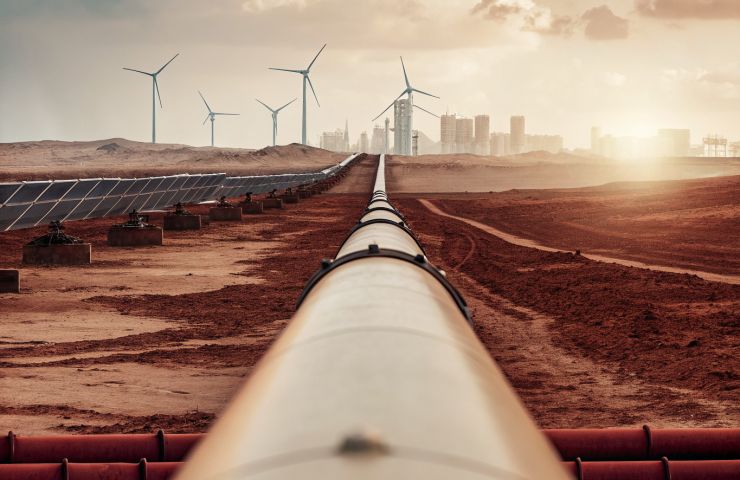
Out in the vast grasslands of Inner Mongolia, something pretty exciting is happening—there’s a major energy pipeline coming to life. This summer, a 195-kilometer high-pressure pure hydrogen transmission line is set to be finished, linking the Bayan Obo wind-solar hydrogen production hub to the industrial heart of Baotou. We're talking about a pipeline built to handle hydrogen pressure of about 6.3 MPa, designed to transport around 100,000 metric tons of green hydrogen every year. Not only is the scale impressive, but it’s also marking one of China’s first cross-regional pure hydrogen pipelines, aimed directly at energizing heavy industry and helping the country work towards its decarbonization goals.
This project fits right into the National Energy Administration's first hydrogen pilot program—it’s a key part of China’s 15th Five-Year Plan to develop a modern energy system. The pipeline is a vital piece of Inner Mongolia's ambitious network strategy, which ties together the Barun Industrial Park chemical cluster, the Bayan Obo mining area, and Baotou’s various steel, metallurgy, and chemical facilities. By creating a direct link between renewable-powered electrolysis and industrial needs, the pipeline helps address the issue of wasted wind and solar energy. Plus, it guarantees a steady supply of hydrogen for large-scale operations.
At the helm of this initiative is China Huadian Corporation, through its project arm Inner Mongolia Huadian Huameng Pipeline Co., Ltd.. This isn’t just a tiny shift for Huadian; it signifies a strategic move away from traditional power generation toward a more integrated hydrogen infrastructure. While the company has made its name in coal, gas, and renewables, this pipeline solidifies its plans to build complete clean energy chains. Industry chatter suggests the main construction work is nearly done, with the tricky mountainous sections currently undergoing final pressure tests and flat areas getting cleaned up.
Diving into the Tech
Transporting pure hydrogen under high pressure isn’t without its unique challenges. Hydrogen’s tiny molecules can seep into steel, which can lead to brittleness, and its wide flammability range means workers have to keep a keen eye on safety. To tackle these issues, the pipeline employs locally-sourced, straight-seam submerged arc welded pipes in grades X42 to X52, enhanced with rare-earth elements that make the welds stronger and more resistant to hydrogen. Compressors at the start of the line ramp up electrolytic hydrogen from about 1 MPa to the operational high of 6.3 MPa, ensuring it flows reliably over long distances.
There are also intermediate stations that house valve chambers and pig launchers, allowing for segment isolation, internal inspections, and cleaning. An automated monitoring system is in place to keep tabs on pressure, temperature, and even sound signals, with sensors that can quickly shut things down in the event of a leak. The design also includes emergency venting strategies validated through extensive tests in Xinjiang, ensuring safe depressurization. Once it reaches its destination, the hydrogen is carefully depressurized, stored, and distributed either through local piping or in tube trailers, providing steel mills and chemical factories with the high-purity fuel they need for processes like direct reduction and hydrogen-based synthesis.
What This Means for the Market
Economically speaking, swapping out trucked hydrogen for pipeline transport can slash logistics costs by over 80%, based on project documents. This change has the potential to make hydrogen-driven steelmaking and eco-friendly chemical production more competitive, especially in Baotou. Plus, having a guaranteed supply of 100,000 tons annually minimizes the financial risk for large investments in electrolyzers and renewable energy around Bayan Obo, creating a more stable revenue pipeline for developers.
For China Huadian, nailing this project could open the floodgates to new avenues in hydrogen logistics, construction, and operations. With China's hydrogen economy aiming to expand by thousands of kilometers of pipelines by 2030, Huadian’s pioneering expertise in high-pressure hydrogen transport may lead to profitable engineering and maintenance deals—both at home and abroad, catering to nations looking for comprehensive hydrogen solutions.
What’s more, this pipeline isn't just about hydrogen alone; it could also pave the way for new industries like green ammonia, methanol, and synthetic fuels. By delivering large amounts of green hydrogen at a low cost, the industrial hub in Baotou can delve into new low-carbon endeavors, boosting the regional economy while supporting China's strategic ambitions for carbon peaking and neutrality.
Policy and Regulatory Landscape
The regulatory framework around hydrogen in China is evolving rapidly to catch up with these pilot projects. The National Energy Administration has recently required quantitative safety evaluations, standardized welding materials and procedures, and thoughtful planning for cross-regional pipeline networks. These updates are addressing critical gaps identified by both academic research and industry findings about hydrogen’s embrittlement, leakage concerns, and explosion risks. Data gathered from high-pressure pipeline tests and jet fire experiments is being incorporated into draft regulations that will guide future projects.
Comparative Context
While some are calling this the first long-distance pure hydrogen pipeline in China, it’s important to note there are several others in the pipeline (no pun intended). For instance, Sinopec has an approved 400-kilometer pipeline linking Ulanqab and Beijing, and China Risun is working on its Dingzhou–Gaobeidian connection, all with similar technical goals. What really sets the Inner Mongolia line apart is its direct supply to an existing heavy industry hub, which drastically cuts down on utilization risks. On the flip side, Europe’s proposed hydrogen backbone has faced skepticism over uncertain demand and potential stranded investments.
Looking Ahead
As the Damao Banner-Baotou pipeline gears up for operations, its impact as a regional hub will be closely monitored. There are plans for extensions that could link the Beijing-Tianjin-Hebei corridor, further meshing renewable hydrogen from Inner Mongolia with coastal energy needs, effectively weaving a larger national network. Meanwhile, factors like community engagement, land-use coordination, and stringent leak detection will be crucial for its long-term success. The operational data gathered will play a key role in shaping China's hydrogen infrastructure strategy, paving the way for a smooth transition to clean hydrogen energy.
About China Huadian Corporation: This state-owned power generation company in China has a diversified portfolio that includes coal, gas, renewables, and integrated energy projects. As one of the nation's major power producers, Huadian is channeling its expertise into building hydrogen infrastructure and supporting the country’s decarbonization efforts.