Green hydrogen production: ITE’s HEDERA project unveils new PEM electrodes and digital optimisation tools
ITE concludes HEDERA project with advanced PEM electrode materials and a digital twin to optimise flexible, cost-effective green hydrogen production in Spain.
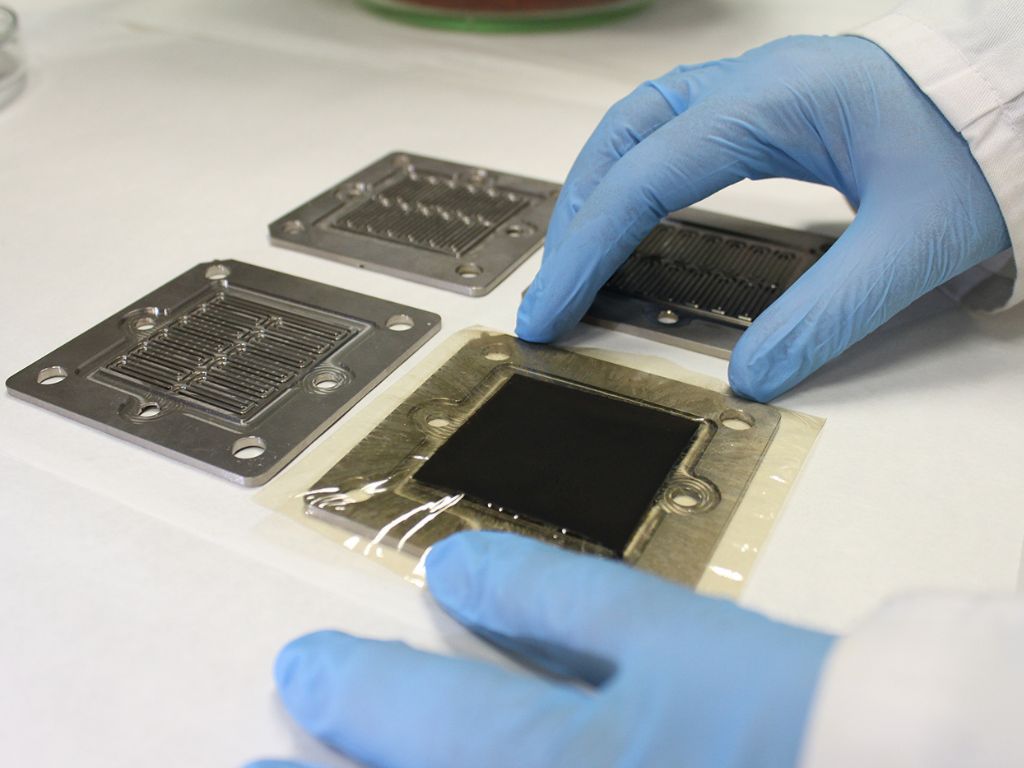
In the vibrant Valencian Community of Spain, the Instituto Tecnológico de la Energía (ITE) has just completed its groundbreaking HEDERA research project. This initiative has rolled out some cutting-edge materials and digital tools, all aimed at making green hydrogen production much more cost-effective. With backing from the regional agency IVACE+i and co-financing from the European Union’s FEDER program, HEDERA is tackling the tough issues surrounding PEM electrolyzer degradation and the challenge of flexible operation powered by variable solar and wind energy.
Key Insights
Technical Highlights
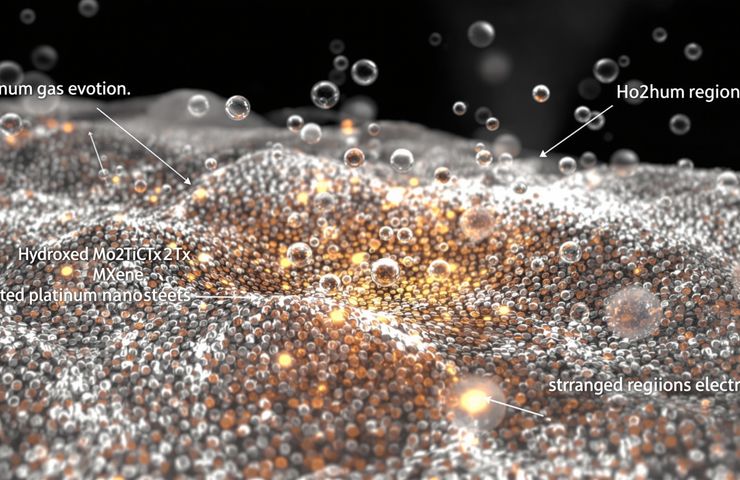
The HEDERA project put a spotlight on the critical catalyst layer of proton exchange membrane (PEM) electrolyzers. This part is key for both efficiency and long-lasting performance. Here’s what the researchers at ITE came up with:
On the digital side, the team developed:
Optimizing for Variable Renewables
One of the major hurdles HEDERA faced was getting electrolyzers to adapt quickly to the ups and downs of solar and wind power without speeding up wear and tear. Traditional PEM stacks often experience stress when power surges happen too fast, which leads to mechanical fatigue in the membrane. To tackle this, HEDERA’s tools:
Pilot-Scale Validation
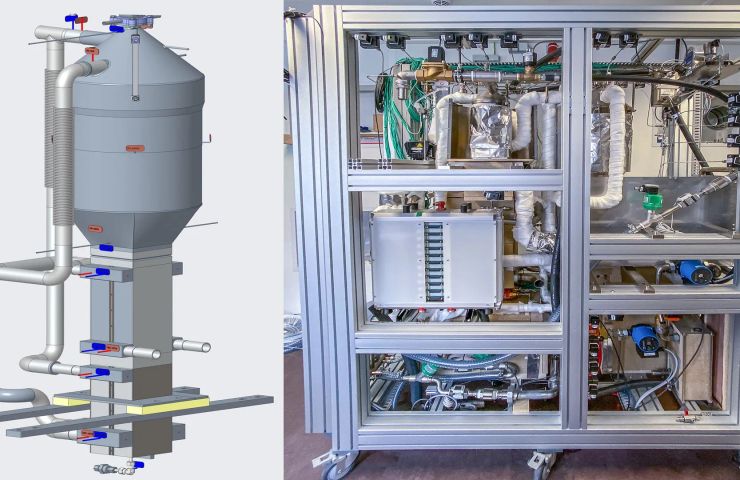
Working alongside industry partners, ITE took the most promising electrodes and put them to the test in a pilot electrolyzer rig setup to mimic real utility-scale conditions:
Business and Strategic Angle
The aim is clear: by slashing capital and operational costs, HEDERA’s findings are designed to bring down the levelized cost of hydrogen. This will help green hydrogen compete with fossil-fuel alternatives in industries like refining, steelmaking, and heavy transport. The project’s financing showcases a synergy between public and private sectors:
Market and Regulatory Outlook
Europe's push towards building out hydrogen infrastructure and establishing clean hydrogen offtake agreements is really picking up steam, and HEDERA plays a vital role in this journey:
Thanks to its plentiful solar resources and port infrastructure, Spain is positioning itself to be a prime exporter of green hydrogen. With various regions vying for giant-scale electrolysis facilities, Valencian advancements like HEDERA are crucial for maintaining competitiveness in manufacturing, engineering services, and plant operations.
Environmental and Economic Implications
With PEM electrolyzers that last longer and smarter operational strategies, we can cut down on waste and resource use. Aligning production with renewable availability also ensures that we maximize the amount of zero-emission electricity used in hydrogen generation—a key step in decarbonizing those tricky industries that are hard to electrify.
By blending advances in materials science with digital technologies, HEDERA is showing us what’s possible when predictive maintenance meets grid integration, paving the way for more robust energy systems and clearer paths to cost-competitive hydrogen.
Next Steps and Commercialization
Having validated the technology at both lab and pilot scales, ITE is gearing up for demonstration-scale deployments with electrolyzer manufacturers and renewable companies. Here’s what’s next:
Takeaway: The HEDERA project from ITE is a comprehensive package, bringing together optimized PEM electrodes, predictive degradation models, and a digital twin that can really help de-risk green hydrogen initiatives, accelerate deployment, and advance heavy industries toward zero-emission technologies.