HORIBA Launches Standardized Fuel Cell & Electrolyzer Test Stations in China
HORIBA and HORIBA FuelCon have launched four standardized test station models in China covering PEMFC, SOFC, SOEC, PEMEC, and AEMEC to accelerate R&D validation and align with emerging hydrogen standards.
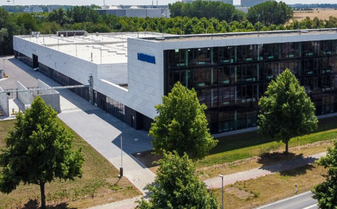
Exciting times in the hydrogen energy news world! HORIBA, the big player from Japan making waves in analysis and measurement, has just launched four standardized fuel cell and electrolyzer test station models designed for the Chinese market. These tough systems come straight from HORIBA FuelCon GmbH in Germany and tackle all five big players in the hydrogen tech arena—think PEMFC, SOFC, SOEC, PEMEC, and AEMEC. This isn’t just about tech for tech's sake; it’s all about making hydrogen production faster and more efficient for labs and manufacturers in China. With these ready-to-roll systems, they’re set to hit the ground running in the clean hydrogen game.
Meeting China’s Evolving Hydrogen Infrastructure Needs
China has been serious about hydrogen research for decades. They've rolled out national high-tech programs that have really helped give a boost to academic research and industrial projects alike. Today, you’ve got major hubs popping up in Shanghai and the Daxing demo zone in Beijing, alongside testing centers in places like Chongqing and large-scale platforms in Ordos and Kuche. All of these efforts are aimed at building a solid hydrogen economy. But here's the catch: fragmented standards and underdeveloped supply chains have often thrown a wrench in the works. Labs end up scrambling to piece together custom test setups, which slows down everything from performance mapping to hydrogen storage analysis. Enter HORIBA’s standardized models, designed to tackle these challenges head-on. They provide consistent, certified test stations that align with both emerging Chinese guidelines and international best practices, making it far easier to develop robust hydrogen infrastructure.
The best part? These aren’t just temporary lab tools; they include safety PLCs, automated nitrogen purging, leak detection, and balance-of-plant controls, meaning you can keep your focus on the innovation instead of the headaches of setup. They’re built to handle everything from basic catalyst screening to rigorous stack endurance trials over thousands of hours. This gives R&D teams the confidence they need to really push the boundaries of fuel cell and electrolyzer technologies.
Take the Jiading hydrogen port in Shanghai, for instance. It can now roll out these standard rigs for trials that range from vehicle fuel cell stacks to onsite electrolyzer modules for those green hydrogen refueling stations. And in the Beijing Daxing demo zone, the containerized HyBOPS labs allow quick swapping of stacks and troubleshooting, shrinking what used to take weeks into just a few days.
Secret Sauce: Four Platforms, Five Tech Routes
At the heart of this launch are four standardized setups from HORIBA FuelCon's Evaluator series, each fine-tuned for specific types of cells and stacks. For those into low-temperature hydrogen fuel cell news, the Evaluator LT bench is perfect for handling PEMFC single cells and modular stacks. It carefully manages gas flow, humidity, dew point, and electrical load to create polarization curves and efficiency maps. Meanwhile, the Evaluator HT series takes things up a notch for SOFC research, reaching temperatures of up to 1,000 °C, perfect for material analysis and durability testing under rapid thermal cycling.
On the electrolyzer side, the Evaluator EC and ES setups are equipped to handle both PEMEC and alkaline cells with high-current and high-voltage power sources, managing pressures of up to 100 bar and currents reaching 16,000 A. This makes running experiments for green hydrogen production and co-electrolysis of H₂/CO₂ a breeze. Plus, for the emerging AEMEC membranes, these platforms can be adjusted to explore hydroxide-ion transport and long-term degradation while capturing performance data with automated systems that prioritize safety.
These stations come packed with modular hardware and user-friendly software dashboards for automated testing sequences, advanced analytics, and remote monitoring. So, teams can run those overnight durability tests without worrying about manual supervision while analyzing electrochemical impedance spectra.
Real-World Impact on R&D and Standards Compliance
The National Technical Committee in China is rolling out new GB/T standards covering everything from pressurized water electrolysis safety (GB/T 37563) to PEM electrolyzer performance (GB/T 45539) and methodologies for testing fuel cell systems. With features and measurement protocols that align perfectly with these new requirements, HORIBA’s standardized stations empower labs to validate components and systems the right way. This means they can run accelerated stress tests, manage temperature and pressure sweeps, and conduct long-duration operations without having to reinvent the wheel, all while generating data that’s reliable and supports certification, product development, and hydrogen project financing.
These platforms not only simplify compliance testing but also create a level playing field for competition and facilitate smoother integration of both domestic and imported equipment. Research institutions, OEMs, and startups can benchmark new membranes, catalysts, and stack designs using a cohesive framework, which speeds up standardization efforts and builds trust among investors, regulators, and users.
Now, researchers can validate everything from thermal cycling resilience and start-stop performance for vehicles to testing impurity tolerance in realistic hydrogen gas flows, helping refine stack materials and sealing solutions to boost safety and longevity for all five technology routes.
Built for the Future: Scaling from Bench to Multi-MW
Whether you’re a university lab working on a 50 cm² cell or an industrial pilot evaluating a 5 MW electrolyzer, these four models scale perfectly with your needs. HORIBA’s containerized HyBOPS solutions bundle multiple test benches, gas handling, and thermal systems into mobile units—ideal for hydrogen ports, data centers exploring hydrogen storage methods, and developers of fuel cell vehicles. They can manage power from just a few watts up to megawatts, accommodating dynamic load profiles for hydrogen cars while logging performance data in real time to optimize operations. The bottom line? You can transition from feasibility studies to pilot trials without having to overhaul your testing infrastructure, slashing both costs and lead times.
Even niche setups find their moment here. Take data centers looking at hydrogen for backup generation; they can test combined heat and power fuel cell modules up to 200 kW, fine-tuning their integrations with onsite solar or wind supply and testing energy management strategies under real load conditions.
This comprehensive approach bridges the gap between lab R&D and full-scale deployment, paving the way for decarbonizing industries from transport to data centers. Plus, it aligns with the global trend of mixing fuel cells with batteries, allowing for direct comparisons of efficiency, durability, and startup behaviors for the next-gen energy systems.
Bottom Line: Fueling China’s Hydrogen Transition
To sum it up, by introducing these standardized test stations in China, HORIBA and HORIBA FuelCon are stepping up big time in clean hydrogen news. They’re providing a comprehensive solution that supports five key technology paths, aligns with emerging standards, and scales smoothly from university labs to industrial pilots. This is more than just a tech upgrade; it’s a game-changer for China’s R&D ecosystem, speeding up the commercialization of technology and boosting confidence for large-scale green hydrogen production and hydrogen fuel cell vs battery electric comparisons. As China aims higher with its hydrogen ambitions, having dependable, certified test infrastructure isn’t just important—it’s essential. And with these platforms, the future of the global hydrogen economy is looking bright.
By providing localized, globally validated testing infrastructure, these systems are setting the stage for international standardization and smoother collaborations across borders, making it easier for global players to step into China’s booming hydrogen market.