Hydrogen Production Pilot: PX Group and SoHHytec’s Solar-to-H2 Demo in Switzerland
PX Group and SoHHytec launched a pilot project in Switzerland to produce green hydrogen onsite using a proprietary solar-to-hydrogen system, aiming to demonstrate continuous operation with a renewable electricity backup and inform future decentralized hydrogen infrastructure deployments.
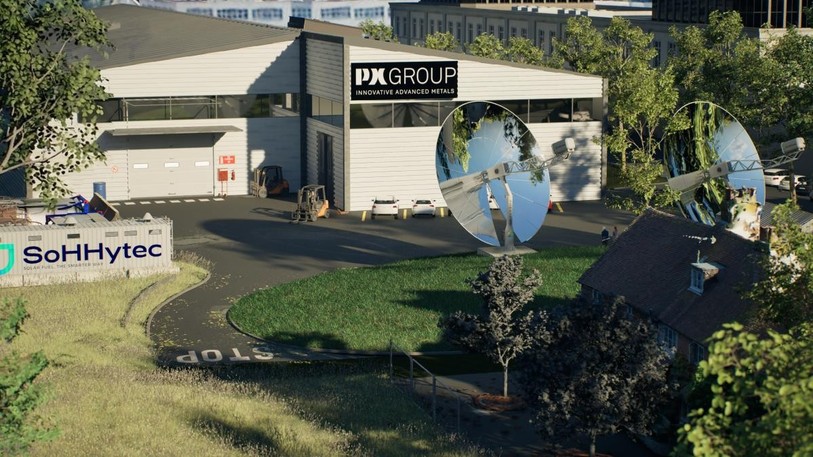
This month, PX Group and SoHHytec kicked things off with an exciting industrial demonstration in the beautiful Neuchâtel canton of Switzerland, focusing on on-site green hydrogen production. They’re rolling out SoHHytec’s innovative Arb photoelectrochemical platform, which cleverly splits water into hydrogen and oxygen using concentrated sunlight. When it's cloudy or the weather just doesn't cooperate, they've got a renewable electricity backup to keep things running smoothly. Hosted at a PX Group plant in La Chaux-de-Fonds, this pilot project aims to shed light on everything from system reliability to operational efficiency and how it can integrate with existing hydrogen infrastructure in industrial settings. It’s a significant step in evaluating the potential of compact solar reactors to meet heavy-duty energy needs.
Main Takeaways
Solar-to-Hydrogen Tech in Focus
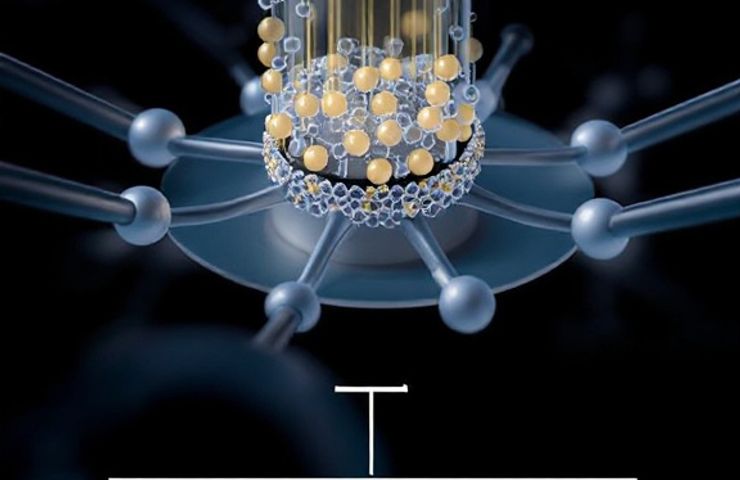
SoHHytec’s Arb system is paving a fresh path compared to the traditional photovoltaic-electrolyzer setups we usually hear about. Here’s what sets it apart:
By steering clear of the usual PV arrays and electrolyzers, they’re aiming to minimize installation footprints while potentially slashing capital and maintenance costs.
Industrial On-Site Integration
PX Group knows a thing or two about energy demands. With operations spanning precious metals, high-performance alloys, tooling, and dental products, they need steady energy for heating, machining, and surface treatments. Having the Arb reactor right on-site allows them to explore:
By generating hydrogen on-site, they’re cutting out the typical transport, compression, and storage steps that usually inflate costs and carbon footprints. This also gives companies like PX Group the chance to experiment with new hydrogen fuel applications without needing major infrastructure overhauls.
Policy Backdrop and Market Dynamics
In 2024, Switzerland's national hydrogen strategy made clear that they’re all about prioritizing domestically produced, carbon-neutral hydrogen when it’s both economically and ecologically sound. With this pilot, PX Group and SoHHytec are tapping into:
The market’s eyes are keenly focused on whether photoelectrochemical reactors can hold their weight against electrolyzer-based systems, which currently benefit from more mature supply chains and decreasing renewable electricity prices. The data from this demonstration will be a game-changer in attracting further investment and advocating for a shift towards compact, decentralized hydrogen production methods.
Challenges and Metrics to Watch
While photoelectrochemical water splitting has been on researchers' radars for decades, translating lab success into full-blown industrial applications has been a bit of a puzzle. This pilot will shine a light on key performance indicators, including:
While the partners haven’t spilled the beans on exact capacity or output figures yet, industry watchers are eager to see these details. If any metrics fall short, it could slow down future rollouts, while strong results might just kickstart a new wave of pilot projects.
Environmental and Economic Considerations
Beyond just operational metrics, this pilot will have a say in lifecycle assessments for solar-to-hydrogen pathways. Key considerations include the embedded energy in reactor materials, the durability of semiconductor parts, and the carbon intensity of grid electricity inputs. If the Arb modules manage to achieve long life spans with minimal maintenance, they could offer a smaller carbon footprint compared to traditional electrolyzer projects that rely heavily on big PV setups and battery storage.
On the economic front, selling off oxygen and recovered heat could help shorten payback periods. Early modeling suggests that clustering several Arb units at industrial sites might even create some economies of scale, though we won’t know the financial nitty-gritty until after the trial wraps up. The findings from this demonstration will provide planners and investors with the data they need to refine future business cases.
Strategic Implications for Hydrogen Infrastructure
If this trial hits the mark, it could reshape hydrogen infrastructure with on-site solar-to-fuel units, changing the game for energy logistics in manufacturing hubs. Potential advantages include:
However, regulators will need to step up and update safety standards and codes of practice to accommodate these integrated solar-fuel systems.
What’s Next?
In the coming months, PX Group and SoHHytec will be gathering crucial data on performance, costs, and maintenance needs. The results from this pilot will feed into feasibility studies for wider deployments and help tweak designs for next-generation systems. Early movers in heavy industry might use these insights to decide whether to:
About the Companies
PX Group is a Swiss-based industrial solutions powerhouse, deep into precious metals, high-performance metals, tooling, and dental products. They’ve previously teamed up on hydrogen initiatives aimed at ramping up green hydrogen use across Europe.
SoHHytec, spinning out of EPFL in Lausanne, is all about photoelectrochemical hydrogen, oxygen, electricity, and heat generation with their Arb system. After lab tests and pilot demonstrations, this is their first chance at an industrial-scale trial.
In a world that's largely focused on photovoltaic-electrolyzer projects, the partnership between PX Group and SoHHytec could be the tipping point for whether direct solar water splitting breaks free from the lab and gears up for real-world industrial decarbonization. We'll be keeping a close eye on the data as it rolls in to see if this approach can truly reshape the future of hydrogen production methods.