OQAE and Asyad sign clean hydrogen offtake term sheet for Duqm mobility
OQAE and Asyad signed a term sheet to supply 91,000 kg/year of green hydrogen for 8–10 daily heavy-duty truck refuelings at Duqm.
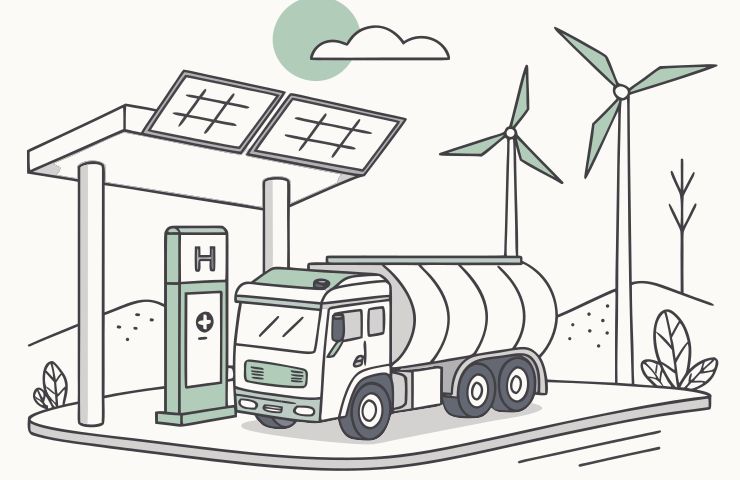
OQ Alternative Energy (OQAE) and Asyad Group have recently joined forces by signing a clean hydrogen offtake agreement aimed at boosting green hydrogen for mobility in the Special Economic Zone at Duqm (SEZAD). This partnership marks a significant moment in the green hydrogen news scene, pledging to produce over 91,000 kilograms of low-carbon hydrogen each year. To put that into perspective, this could mean around eight to ten refuels for heavy-duty trucks every single day, effectively replacing about 1,100 liters of diesel daily, and offering a real, practical solution to decarbonizing Oman’s logistics sector.
What the Term Sheet Covers
So, what’s inside the term sheet? It’s essentially the key link between hydrogen production and the actual transport needs on the ground. It lays out the blueprint of how OQAE’s 10–15 MW electrolyzer will support a dedicated hydrogen refueling station in Duqm, complete with high-pressure storage, compression units, and even digital monitoring. While it’s not a binding contract, it does set clear expectations regarding supply volumes, safety protocols, and performance benchmarks. Think of it as a roadmap that outlines an initial offtake volume, performance reviews, and plans to ramp things up as more technical and economic data comes in.
Duqm as a Hydrogen Hub
When you look at Duqm’s coastal geography, its deep-water port, and the wealth of solar and wind resources available, it makes perfect sense for it to become the heart of Oman’s hydrogen infrastructure. Multi-party studies involving the Ministry of Transport, Oman Oil Marketing, and Air Liquide have pinpointed Duqm SEZAD as a pilot zone for production, fueling, and mobility solutions. This term sheet really solidifies Duqm’s position by consolidating all aspects of production, storage, port services, and logistics under one roof—essentially creating a blueprint for future hydrogen energy news developments.
How Green Hydrogen is Produced
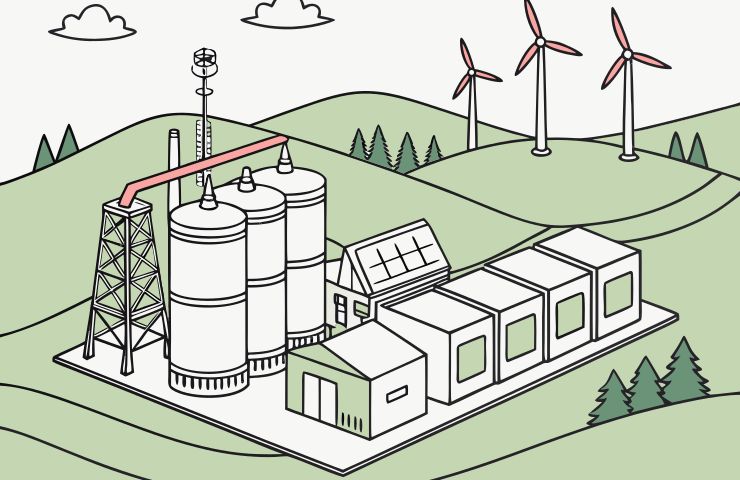
At the core of the Duqm venture is an electrolyzer powered by solar panels and wind turbines. It takes plain old water and breaks it down into hydrogen and oxygen, all while using renewable energy to keep carbon emissions nearly nonexistent. This technique showcases some of the best hydrogen production methods out there, utilizing trusted PEM or alkaline electrolysis technology. They treat the water on-site, with electrolysers feeding into buffer tanks, followed by compressing hydrogen for storage or quick refueling. What they learn from this pilot will play a huge part in future rollouts aimed at Oman’s ambitious target of producing one million tonnes per year by 2030.
Hydrogen Refueling for Heavy-Duty Vehicles
The proposed refueling station is designed to handle high-pressure hydrogen storage and fast dispensing, matching or even speeding up diesel fueling times. Trucks will be equipped with nozzles that ensure precise control over pressure, temperature, and flow, making sure refuels are safe and efficient. By producing hydrogen on-site, they cut down on the lengthy transport logistics that often complicate these operations—showcasing a practical model for hydrogen fuel news deployment. With advanced digital metering and remote diagnostics, operators will be able to monitor consumption, uptime, and plan maintenance in real-time.
Heavy-Duty Trucks Powered by Hydrogen
Asyad plans to roll out eight to ten hydrogen-powered trucks daily on Duqm’s industrial routes. These vehicles will utilize fuel cell stacks that convert hydrogen into electricity, sending out nothing but water vapor from the tailpipe. The fleet will gain hands-on experience with hydrogen vehicles, taking charge of refueling routines, safety checks, and optimizing their range. This pilot is a game-changer: it clearly shows that heavy-duty freight can transition from diesel to clean hydrogen without losing any performance edge.
Anchoring Demand and De-risking Projects
Having a committed offtaker like Asyad is crucial to minimize the risks associated with OQAE’s investment in electrolysers and refueling infrastructure. By ensuring there’s consistent demand for clean hydrogen, this agreement helps to boost investor confidence and encourages equipment suppliers to jump on board. It’s a forward-thinking mechanism that creates a clear pathway from production to consumption, signaling that Oman is genuinely committed to leading the energy transition and ready to foster a vibrant hydrogen infrastructure ecosystem.
Asyad’s Sustainability Blueprint
As Oman’s logistics leader, Asyad has laid out an ambitious plan to achieve net-zero emissions by 2050. Beyond this pilot for mobility, they're also looking into developing a liquid hydrogen corridor between Duqm and Amsterdam, along with a conceptual 1,000-km pipeline aimed at transporting half a million tonnes annually. They’re all in on digitalization, autonomous vehicles, and green fuels. And this term sheet seamlessly fits into that vision, grounding local demand while illustrating what a practical, multi-modal hydrogen ecosystem could look like in action.
Environmental and Economic Impact
Swapping out diesel for green hydrogen not only cuts CO₂ emissions but also reduces local pollutants along the transport routes, ultimately improving air quality for communities near Duqm. Lifecycle analyses highlight the significant carbon savings that result from producing hydrogen on-site with renewable resources. On the economic front, developing and operating electrolysers, compressors, storage, and refueling stations creates skilled jobs and technical services while backing Oman’s diversification objectives and helping develop local supply chains.
Looking Ahead
The data gathered from this pilot will help shape standards for future hydrogen refueling stations throughout Oman, influencing everything from safety regulations to vehicle homologation and incentive schemes. Integrating with planned pipelines and export terminals could transform Duqm into a multi-modal hub, effectively linking port services, road freight, and ammonia synthesis. With a scalable model set, other logistics operators and industries will have a framework to follow, driving Oman closer to its green hydrogen ambitions.
Bottom line: this offtake term sheet isn’t just a strategic milestone; it's a real solution that links production to mobility, builds confidence, and sets the foundation for Oman’s emerging hydrogen economy. With OQAE and Asyad leading the way, Oman is on track to become a regional heavyweight in clean hydrogen logistics, propelling the energy transition onward.