Green Hydrogen News: OMV Petrom’s Petrobrazi Refinery Emerges as a Regional Low-Carbon Fuel Hub
OMV Petrom’s Petrobrazi refinery is scaling to 55 MW of green hydrogen capacity and adding a 250,000 tonne SAF/HVO plant, marking a major step in Southeastern Europe’s decarbonization drive.
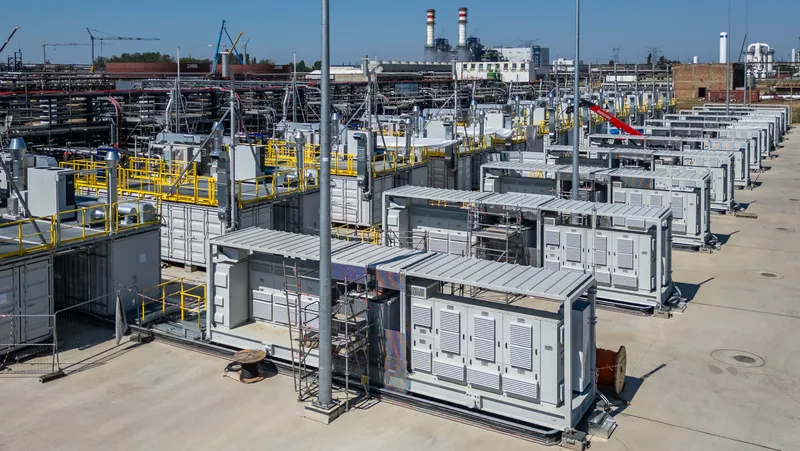
In the bustling industrial hub near Ploiești, Romania, which is home to over 1.4 million residents and serves as a vital transportation nexus, the Petrobrazi refinery is making some serious moves in the world of hydrogen production and low-carbon fuel innovation. With a great track record in refining, OMV Petrom is now pivoting towards green hydrogen production, and this month, they’ve taken a big step forward by bringing in seven 5 MW electrolyzer modules for a new 35 MW unit. This pushes their total capacity to an impressive 55 MW! This venture aims to produce about 8,000 tonnes of green hydrogen each year—definitely a noteworthy milestone in the realm of green hydrogen news for Southeastern Europe. They’re leveraging existing pipeline networks, rail systems, and the skills of local workers, making it a smart move all around.
From Traditional Refining to a Low-Carbon Platform
The Petrobrazi refinery, in operation since the early '90s and processing around 4.5 million tonnes of crude oil annually, is located just about 60 km from Bucharest. In the past, it mainly focused on gasoline and diesel production, but now? It’s stepping up its game and transforming into a hotbed for sustainable molecules. With site upgrades underway, including new power transformers, dedicated water treatment facilities, and expanded tank farms designed specifically for hydrogen and renewable feedstocks, OMV Petrom is proving that old-school facilities can get on board with decarbonization without losing their reliability or scale.
Powering Up with Green Hydrogen
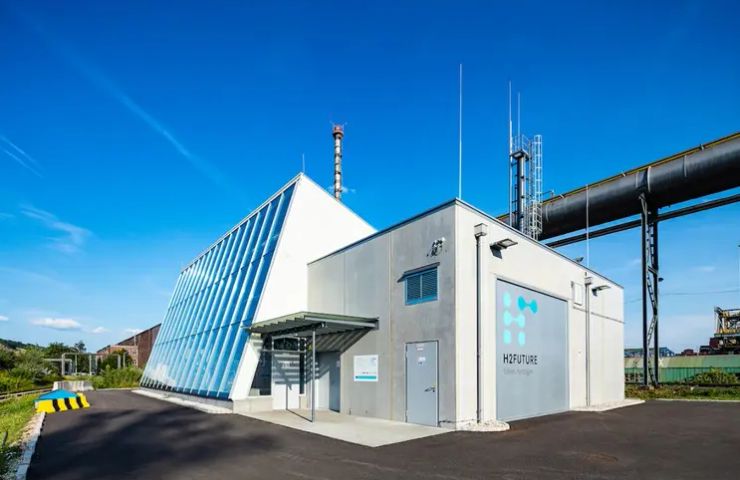
The main event here is two large-scale electrolyzer installations. They’ve got a 20 MW system already up and running, and now with the addition of a new 35 MW unit made up of seven 5 MW modules, we’re talking serious capability. These systems harness renewable electricity to split water into hydrogen and oxygen, making Petrobrazi the largest commercial-scale electrolyzer project in the region to date. And don’t forget about the oxygen by-product, which can be vented or potentially utilized in other industrial processes; it just highlights the vast possibilities of integrated hydrogen infrastructure in refining and chemical parks.
Technology Partner Spotlight: Neuman & Esser
Partnering with Neuman & Esser out of Germany has been a game-changer for this endeavor. Their modular alkaline electrolyzers arrive pre-tested, which speeds up the integration process and cuts down construction time on-site. Each 5 MW module comes packed with advanced stack management, digital monitoring, and top-notch safety features. This smart approach not only streamlines fabrication and transport but also quickens the installation process, allowing for that speedy 35 MW expansion. Observers in the industry are noting this shift towards using established equipment suppliers rather than experimental tech—a sign of the maturing landscape of green hydrogen production.
Fueling a Sustainable Aviation Future
But it’s not just about hydrogen generation; Petrobrazi is also gearing up to build a facility for sustainable aviation fuel (SAF) and hydrotreated vegetable oil (HVO) that will churn out 250,000 tonnes annually. Set to start production later this decade, this facility will utilize green hydrogen in hydrotreating processes to convert used cooking oil, vegetable oils, and animal fats into jet fuel and renewable diesel. With the EU’s ReFuelEU Aviation policy making waves by mandating at least 2% SAF starting next year, this project aligns perfectly with Europe’s push toward net-zero aviation. The outcome? Fuels that could slash lifecycle emissions by up to 70% compared to traditional options.
Policy Drivers Fueling the Transition
The evolution of Petrobrazi is strongly supported by solid policies. Romania’s National Recovery and Resilience Plan is providing around EUR 50 million in non-repayable grants for the electrolyzer projects, while Law 237/2023 on renewable hydrogen is establishing clear market rules and certification standards. On a broader EU scale, the ReFuelEU Aviation Regulation sets binding SAF targets and the Renewable Energy Directive lays out sustainability criteria. These frameworks create a predictable demand signal and reduce investment risks, showcasing how coherent regulation can transform ambitious clean hydrogen news into viable industrial realities.
Economic and Environmental Impact
With an investment footprint estimated at around EUR 750 million, the combined program includes green hydrogen facilities, storage tanks, and the SAF/HVO complex. OMV Petrom expects its low-carbon fuels to lower lifecycle greenhouse gas emissions by 65% to 70% when compared to fossil equivalents! Producing 250,000 tonnes of renewable fuel annually could prevent around 175,000 tonnes of CO₂ from entering the atmosphere each year—supporting national decarbonization efforts and benefiting Europe’s aviation sector. Plus, producing this fuel domestically reduces dependency on imports, boosting Romania’s energy security.
Market Momentum and Offtake Agreements
OMV Petrom has already inked several offtake agreements for both SAF and HVO with regional airlines and transport companies. OMV Downstream GmbH will be taking part of the production, which strengthens the synergies within the group. Locking in volumes and pricing frameworks helps give feedstock suppliers and investors a bit more certainty. And as binding EU blending mandates come into play, Petrobrazi is set to deliver consistent, certified low-carbon fuels across Central and Eastern Europe.
Resilience and Risk Management
Pulling off a project of this magnitude isn’t without its challenges. Access to reliable renewable power, seasonal fluctuations in feedstock—especially when it comes to waste oils—and supply chain constraints for electrolyzer stacks all require careful planning. OMV Petrom is investing in digital asset monitoring, predictive maintenance, and thorough training for staff to help manage these risks. Working with a trusted equipment supplier like Neuman & Esser and leveraging state-backed financing also helps mitigate capital costs and keep timelines on track.
Scaling Up Across Southeastern Europe
Petrobrazi’s efforts extend beyond Romania’s borders, contributing to the growing hydrogen energy landscape in Southeastern Europe. With national hydrogen corridors in the works, nearby hubs in Bulgaria and Hungary might just take a page from Petrobrazi’s playbook for their own local refining operations. The insights gained about integrating the grid, managing water resources, and optimizing feedstock logistics will help guide future projects. This sets the stage for a more resilient, interconnected hydrogen infrastructure that could be the backbone of industrial decarbonization across several nations.
A Glimpse into the Future of Industrial Energy
OMV Petrom’s integrated green hydrogen and SAF/HVO program serves as a solid template for upgrading legacy refineries. By blending renewable electricity with tried-and-true electrolyzer modules and cutting-edge refining techniques, this project highlights a scalable pathway for heavy industries chasing serious decarbonization. With 55 MW of electrolyzer capacity, an annual output of 8,000 tonnes of hydrogen, and a 250,000-tonne renewable fuel plant on the horizon, Petrobrazi is genuinely leading the charge toward a low-carbon future.
Conclusion: A Regional Game-Changer
The transformation of the Petrobrazi refinery isn’t just a simple upgrade—it’s a strategic leap that could send ripples throughout Southeastern Europe. OMV Petrom is proving that traditional energy companies can reinvent themselves to meet the changing tides of sustainability. This project stands out as a guiding light for policymakers, investors, and industry leaders, showing that when finance collaborates with strong policy support and reliable technology, real-world results become a reality. It’s not merely a peek into the future of energy; it’s actively unfolding right now.