EU Greenlights €780M Dutch Hydrogen Production Scheme under Clean Industrial Deal
Brussels has approved a €780 million Dutch scheme to support 400 MW of renewable hydrogen electrolysis, blending investment grants and production premiums to accelerate green hydrogen deployment.
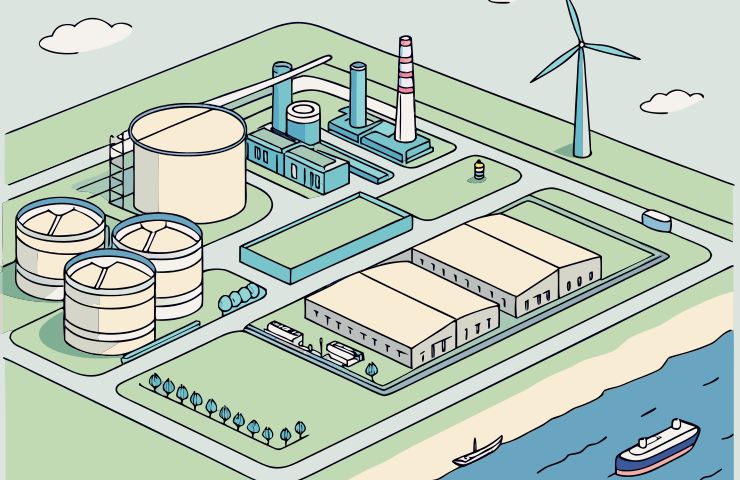
Imagine a shift in renewable energy so massive that it could support nearly half a gigawatt of electrolysis capacity all at once. That’s the big goal behind the recent move by the European Commission, which just gave the thumbs up for a €780 million scheme in the Netherlands aimed at ramping up green hydrogen production. This news has market insiders and policymakers buzzing, as they’re keen to see how this initiative unfolds through competitive tenders set to wrap up by early 2027.
From Approval to Auction
Now, this green light didn’t just come out of nowhere. The Clean Industrial Deal State Aid Framework had to carefully evaluate the Dutch plan against some pretty tough market distortion rules. With the approval in hand, the Government of the Netherlands, alongside its enterprise agency, RVO, is all set to kick off a series of competitive bids. The projects that get the green light will have to roll out electrolysers, starting from at least 0.5 MW, and secure contracts that blend investment grants with operating premiums over a five-to-ten-year timeline.
Designing a Two-Pronged Subsidy
What makes this scheme stand out is its focus on both capital and operating costs. First up, developers can snag a direct grant that covers up to 80% of eligible investment expenses, which really lowers the hurdles for installing large-scale electrolyser setups. Then, once the project is up and running, there’s a variable premium subsidy model that’s linked to how much hydrogen they produce. This plan aims to close the “green premium” gap — basically, the difference between the cost of clean hydrogen and traditional hydrogen sourced from natural gas.
By smoothing out cash flow during both the construction and production phases, this subsidy package is all about cutting down financing risks and speeding up final investment decisions. The Dutch authorities estimate that this scheme could support nearly 400 MW worth of new electrolysis capacity, potentially churning out about 40 kilotonnes of renewable hydrogen every year.
Netherlands’ Hydrogen Track Record
This isn’t the first rodeo for the Netherlands when it comes to leveraging public support for its hydrogen economy. In recent years, various national programs like the SDE++ scheme and earlier rounds of operating aid for electrolysers have really helped jump-start the market. Dutch policymakers see hydrogen as a key player in decarbonizing sectors that are tough to electrify directly, such as refineries, bulk chemical plants, and heavy transport.
In this light, the new state aid scheme is just an extension of a well-established strategy: minimizing risks on key investments until costs fall, learning curves speed up, and supply chains mature. Plus, by tying the support to a competitive tender process, it aims to keep public expenses in check while ensuring that only projects demonstrating real emissions savings and full compliance with the EU’s RFNBO criteria get a chance to shine.
Rotterdam: Europe’s Hydrogen Hub
When it comes to the industrial ecosystem and port logistics, few places in Europe match South Holland’s Rotterdam. With a robust network of refineries, chemical clusters, and offshore wind connections, this area is perfectly suited for hosting gigawatt-scale electrolysers. Take the ELYgator project by Air Liquide, for instance — a 200 MW electrolyser at Maasvlakte, which is making strides towards its final investment decision, largely thanks to prior Dutch and EU funding.
While ELYgator operates under different funding than the newly approved €780 million scheme, it’s a great example of how national and EU efforts can align to ignite significant investment. If the upcoming tender round goes as well as previous ones, we might soon see detailed proposals for projects that integrate seamlessly into existing pipelines, storage facilities, and shipping terminals, weaving hydrogen more deeply into the energy and chemicals landscape.
Electrolysis and RFNBO Compliance
At its essence, electrolysis works by using electricity to split water into hydrogen and oxygen — hydrogen bubbles up at the cathode while oxygen hangs out at the anode. Under the EU’s RFNBO rules, it’s essential for projects to show they’re using 100% renewable electricity, either through direct connections to wind and solar assets or through guarantees of origin that bring extra renewable capacity online. This requirement is vital for ensuring environmental integrity and for developers to secure their operating premiums, avoiding any risk of a money grab later on.
Balancing Industry and Competition
The crux of the European Commission’s approval hinges on a delicate balancing act: speeding up industrial decarbonization without messing up the internal market. In the past, Brussels has greenlit Dutch initiatives and even tweaked climate state aid rules to give member states a bit more wiggle room. But each new program faces scrutiny over whether it tips the scales in favor of established players or sets unrealistic subsidy expectations.
On one hand, critics raise eyebrows at the potential scale of public spending and warn of a “subsidy chase” between nations. On the flip side, supporters argue that building out domestic hydrogen infrastructure is absolutely critical if Europe wants a shot at hitting its net-zero goals and reducing dependency on imported fossil fuels. With the hefty price tags on large electrolysers and the current shortage of long-term offtake agreements, many developers insist they simply can't move forward without this kind of layered state support.
Economic and Environmental Stakes
According to government estimates, if the upcoming tender hits its target, it could produce up to 40 kilotonnes of renewable hydrogen every year, cutting down over 300 kilotonnes of CO₂ emissions compared to grey hydrogen production. Of course, these figures remain projections until the projects get up and running and independent audits verify their outputs and savings. Still, even the most optimistic scenarios suggest that demand could grow enough to sustain fresh manufacturing lines for electrolyser modules, balance-of-plant equipment, and grid enhancements.
This scheme also sends a clearer market signal to renewable power producers. Electrolyser projects typically rely on dedicated green power supply contracts to meet RFNBO certification. With guaranteed premiums on hydrogen output, developers could find it easier to nail down power purchase agreements with wind and solar farms, effectively intertwining renewable electricity with green hydrogen into a single, cohesive ecosystem.
What Comes Next
Now that the European Commission has given its stamp of approval, the Dutch authorities are gearing up to launch the first rounds of competitive bids in the next couple of months. Winners are expected to be announced by early 2027, with project timelines reliant on permitting, grid connections, and offtake contracts — all of which have caused delays in the past. Those successful bids will unlock grant contracts and pave the way for final investment decisions.
Overall, this state aid approval marks a significant shift in Europe’s clean energy playbook: moving from pilot projects to large-scale industrial deployment. If both Brussels and The Hague pull it off, we could see a self-reinforcing boost in green hydrogen production that not only slashes emissions but also generates new manufacturing, engineering, and service jobs. For anyone keeping tabs on this transition, the next 18 months will be crucial to see if this investment lives up to its promises — or if more policy adjustments and funding will be necessary to keep the hydrogen economy on solid ground.