Hydrogen news
Will Albania’s huge white hydrogen deposit change the clean energy game?
The world’s largest deposit was discovered at a mine in the Eastern European Country The largest white hydrogen flow ever discovered in the world has been detected in a mine in Albania, as was reported last month by Hydrogen Fuel News. What has yet to be known is the role this discovery will play in clean energy Massive amounts of nearly pure white hydrogen have been measured within the chromium mine. Researchers reported the discovery in a newly published study, claiming that this H2 deposit could lay the foundation for cleaner ways of sourcing H2 that can then be used as a low-carbon or ze…
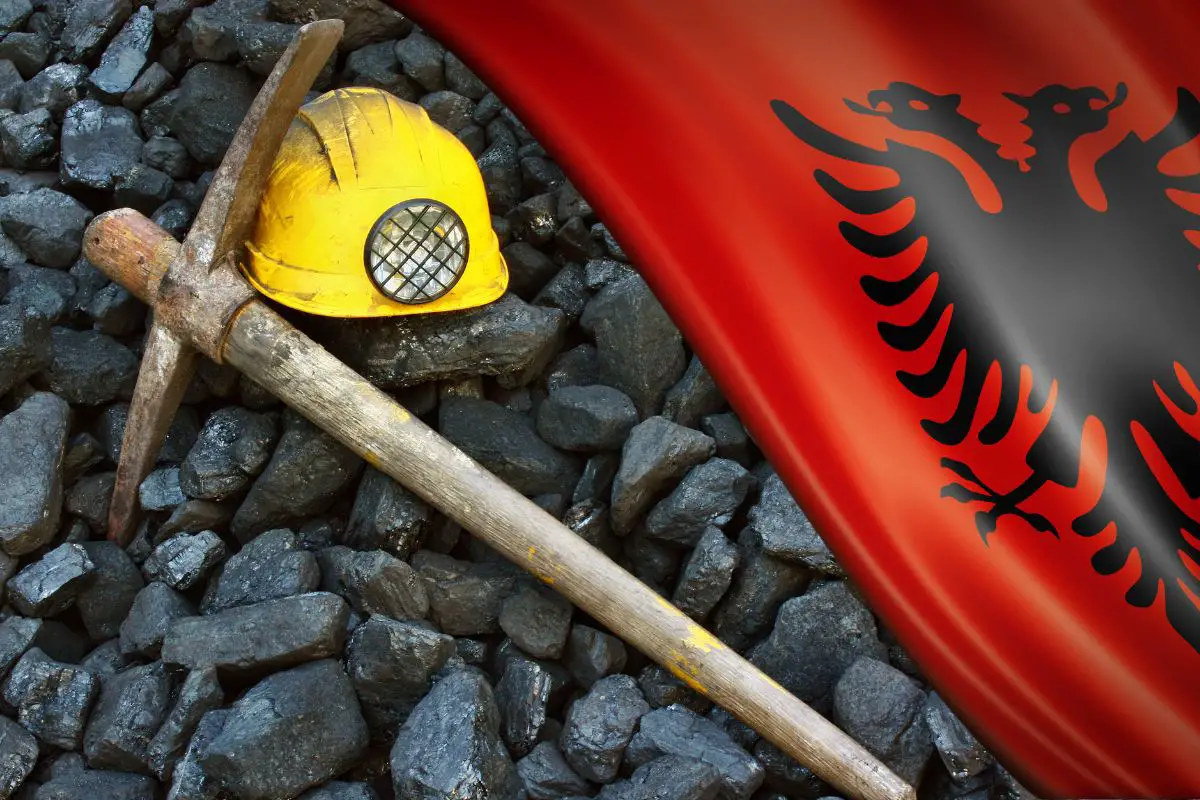
The world’s largest deposit was discovered at a mine in the Eastern European Country
The largest white hydrogen flow ever discovered in the world has been detected in a mine in Albania, as was reported last month by Hydrogen Fuel News.What has yet to be known is the role this discovery will play in clean energy
Massive amounts of nearly pure white hydrogen have been measured within the chromium mine. Researchers reported the discovery in a newly published study, claiming that this H2 deposit could lay the foundation for cleaner ways of sourcing H2 that can then be used as a low-carbon or zero-carbon fuel source. The H2 was discovered bubbling up through a pool of water inside an Albanian chromium mine. Measurements suggest that the deposit sending the bubbles to the surface is likely the largest ever discovered on the planet.White hydrogen is increasingly pursued as a fuel source
As much as researchers have wanted to source H2 from natural white hydrogen deposits, they have, until now, been few and far between. Moreover, those that have been discovered have been notably smaller than the newly found source in the Albanian mine. Many have doubted that there would ever be adequate natural H2 to make any meaningful difference in meeting clean energy demands.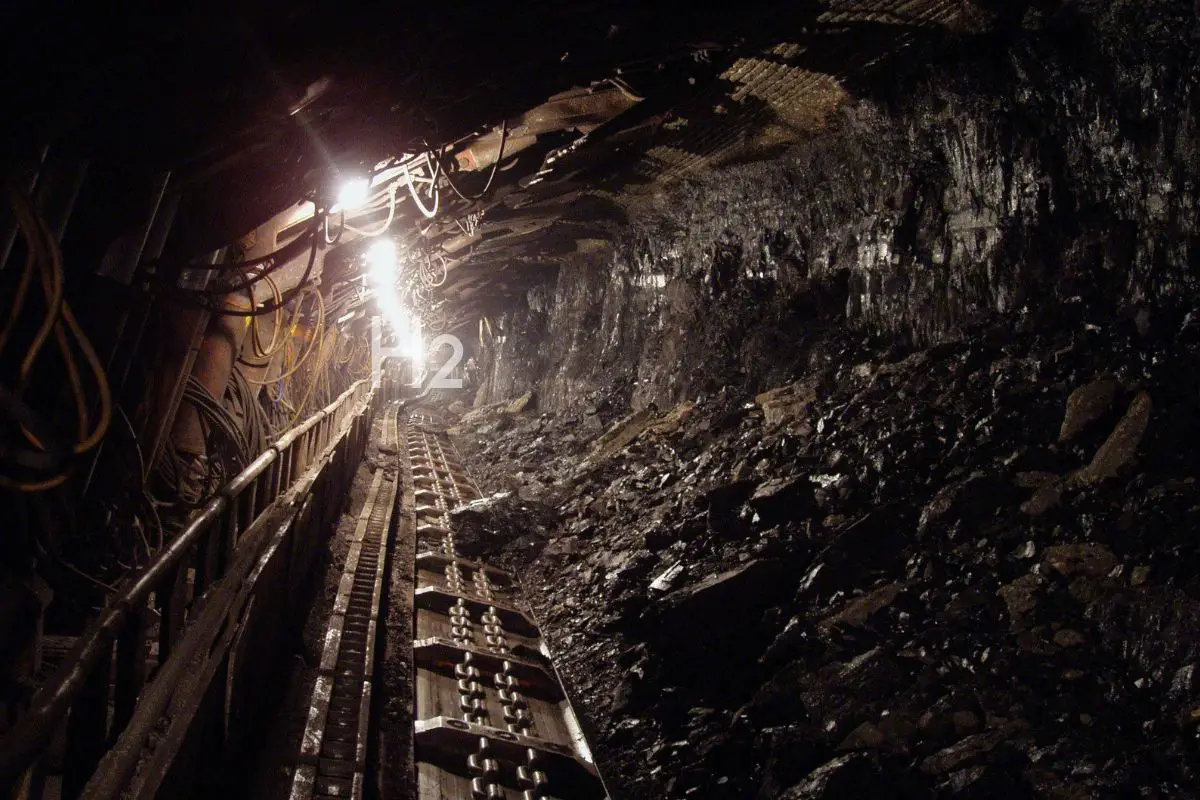 Moreover, even though H2 is known to be central in supporting the life that exists well below the surface of the Earth, scientists broadly believed that the high reactivity of this gas prevented it from being able to naturally build large deposits underground.
That said, as researchers increasingly pursue such naturally occurring deposits, they are being discovered gradually in various places all over the planet.
Moreover, even though H2 is known to be central in supporting the life that exists well below the surface of the Earth, scientists broadly believed that the high reactivity of this gas prevented it from being able to naturally build large deposits underground.
That said, as researchers increasingly pursue such naturally occurring deposits, they are being discovered gradually in various places all over the planet.
Naturally occurring sources vs production
The most common sources of H2 are currently manufactured using a spectrum of different techniques. Though carbon emission-free methods – producing what is known as green hydrogen – do exist, involving water electrolysis powered by renewable energy such as wind and solar, they are not yet among the most commonly used strategies. Instead, grey hydrogen is currently the most popularly produced form, involving the use of processes fueled by natural gas, without abating the greenhouse gas emissions produced by this fossil fuel.White hydrogen at Albania’s Bulqizë mine
Though the discovery of the size of the deposit is relatively recent, the gas was first detected at the Albanian mine back in 1992. That said, at that time, it wasn’t known specifically which gas was bubbling up from under the mine. Suspicions grew that the odorless gas might be white hydrogen when explosions occurred in 2011, 2017, and again in 2023. Now, researchers have found that it is indeed H2, and the deposit sending the gas upward could contain between 5,000 and 50,000 metric tons.84 percent H2
Researchers that conducted an analysis on the gas as it bubbled through one of the mine’s pools showed that the purity level of the H2 was 84 percent. The gas also contained much smaller amounts of methane and nitrogen. Based on the current flow of the white hydrogen, the authors of the study found that the pool is currently emitting 11 metric tons of hydrogen per year, which equates to about 75 pounds (34 kilograms) per day. The researchers estimated that if the mine’s output were to be combined with other flows within a borehole and shaft, the total amount of gas that would be drawn from the deposit would be around 200 metric tons per year.Nearly pure white hydrogen
“Our study unveils a high emission rate of almost pure geologic H2, suggesting the potential for a new extractable primary energy source,” wrote the researchers in the study, which was published in the Science journal. Ready to test your knowledge on the most abundant element in the universe? Take our fun and engaging Hydrogen Quiz now! [forminator_quiz id="58712"]How was this article?
Thanks for the feedback!