FAA Finalizes Certification Rules for ZeroAvia’s 600 kW Hydrogen-Electric ZA601 Engine
The FAA’s new Final Rule establishes 33 special conditions for ZeroAvia’s 600 kW ZA601 hydrogen-electric engine, marking the first U.S. certification framework for hydrogen-electric aircraft propulsion and paving the way for type certification.
So, what does it take to get a hydrogen-electric aircraft engine certified in the U.S.? Well, the recent hydrogen fuel cell news is quite exciting because the Federal Aviation Administration (FAA) has officially laid down the rules for high-voltage electric motors powered by hydrogen fuel cells. This is a game changer, especially for the ZeroAvia ZA601 engine that forms the backbone of its ZA600 electric powertrain, designed for those nifty 10-20 seat regional turboprop planes. With these new conditions rolling out in mid-March, we’re really seeing this once-experimental tech turn into a clear path toward certified hydrogen-electric flight.
A Game-Changing Regulatory Breakthrough
Now, traditional engine rules, found in Part 33, were pretty much written with jet fuel in mind—think of turbines and pistons! They didn’t account for electric motors running on hydrogen fuel cells. To fill this gap, the FAA put together a G-1 Issue Paper back in early 2025, setting the certification groundwork for the 600 kW electric engine. Then, in August, they introduced a draft called P-1 Special Conditions that laid out new safety requirements that weren’t covered by older regulations. When the Final Rule kicked in, it was like the FAA officially opened the door for a new kind of propulsion under Part 23 guidelines for smaller aircraft.
Key Safety Requirements
The new rule details 33 special conditions that the ZA601 needs to meet to ensure it’s as safe as conventional turboprops. This includes:
These requirements cover day-to-day operations and a whole host of potential failures, making sure no single glitch could lead to dangerous situations while flying.
ZeroAvia’s Hydrogen-Electric System
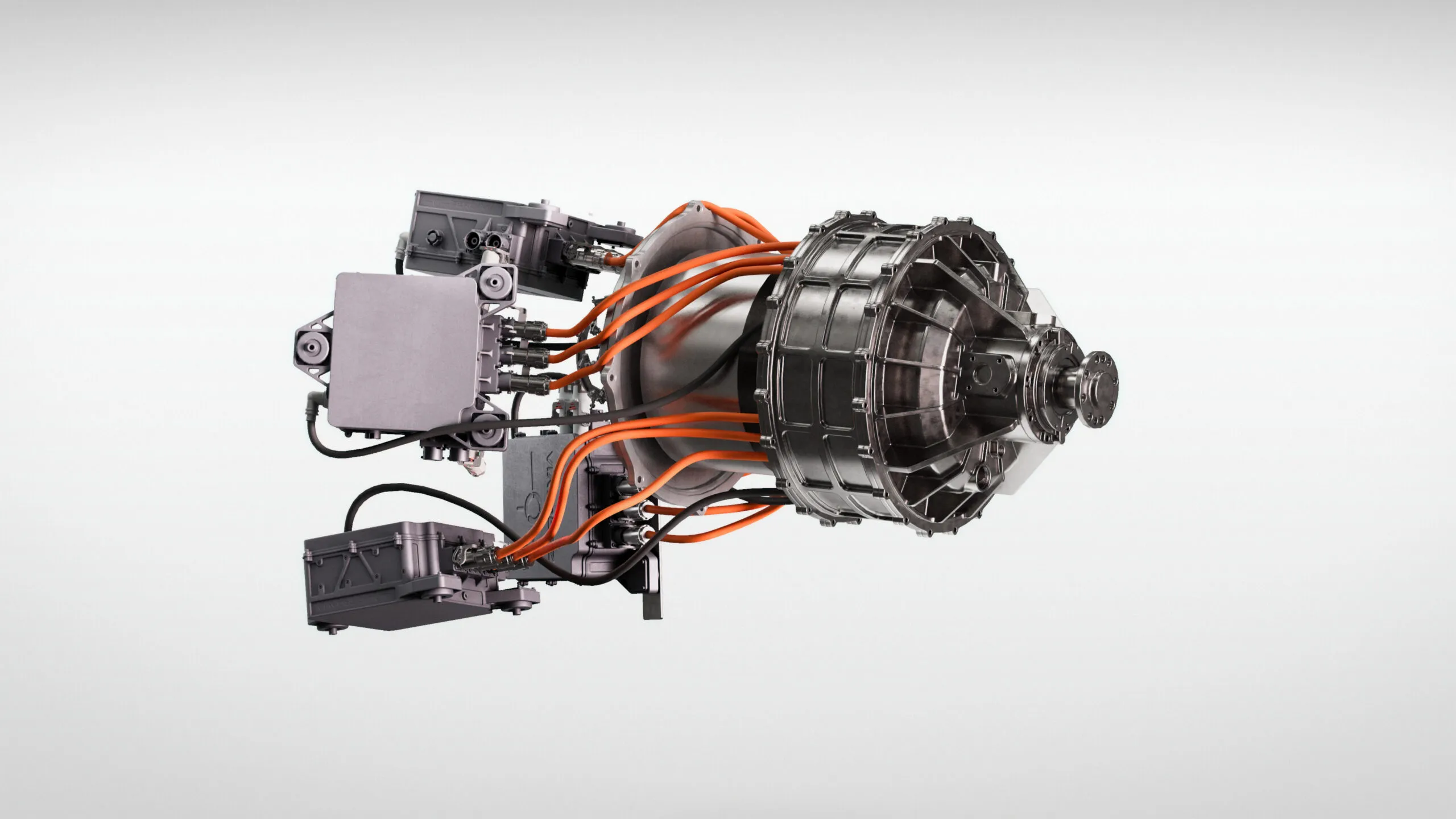
The ZA600 powertrain cleverly pairs a proton exchange membrane fuel cell stack with the ZA601 motor and its power electronics. The setup uses onboard compressed hydrogen, sending it to the fuel cell to generate DC electricity without any nasty combustion emissions—just pure water vapor! The power conditioning units, which include bidirectional inverters, help keep the voltage and current in check before they feed the high-power motor. Plus, the direct-drive design means the propeller spins at about 2,200 rpm, which cuts down on weight and complexity since there’s no heavy gearbox involved. To keep things running smoothly, thermal management systems are always on duty to monitor and adjust temperatures, with sensors and control logic working hard to ensure everything is in tip-top shape.
Path to Testing and Certification
ZeroAvia is hitting the ground running, having already flown modified Dornier 228 and Cessna Grand Caravan prototypes under UK and U.S. experimental approvals. Now that the Final Rule is here, they’re diving into compliance demonstrations. Ground tests will cover everything from electrical insulation to leak detection protocols, with flight trials designed to put the engine through its paces on various performance aspects. The company is optimistic, aiming for fuel cell system certification by 2027, and hopes to roll out the full ZA600 integration by around 2029, setting the stage for commercial operations in the late 2020s.
Market and Industry Impact
This action from the FAA sends a strong message to investors, airlines, and suppliers. Having a clear certification framework takes a lot of uncertainty out of the equation, which has often held back funding and development. Manufacturers working on hydrogen storage tanks, high-voltage cabling, and safety valves can now design their products with these explicit FAA standards in mind. Airlines eyeing hydrogen vehicles for short-haul routes can feel more confident in their decisions. On the maintenance side, service providers and lessors can start planning for what these new systems will require. And don’t forget about fuel producers and logistics companies—they can now make a solid case for investing in hydrogen infrastructure around regional hubs. With low-carbon hydrogen from electrolysis, we could see lifecycle CO₂ emissions slashed by over 90% on short-haul flights. In scenarios where battery-electric options can’t provide enough energy for regional trips, hydrogen is shaping up to be a fantastic alternative.
Global Ripple Effects
Even though these special conditions are for U.S.-registered aircraft, they’re likely to set the tone internationally, influencing regulators like the EASA and the UK Civil Aviation Authority. Having unified safety standards can make airline operations smoother, cut down on redundant testing, and lower costs—all essential for scaling zero-emission aviation on a global level.
Challenges Ahead for Infrastructure and Operations
Now that we have a certification pathway, the focus shifts to making it all happen. Regional airports will need to upgrade their fuel-handling zones, revamp wiring in hangars, and train staff on how to handle potential hydrogen leaks. Regulatory bodies will need to team up to create emergency protocols for hydrogen use. Plus, we’ll need to finalize standards for ground-side dispensers and fuel cell systems. Some airports might even try out modular refueling units designed for single flight lines, making incremental improvements easier. Looking down the road, hybrid setups that blend fuel cells with batteries could help meet peak demands during takeoff. It’ll take real teamwork across the aviation and energy sectors to avoid bottlenecks in hydrogen production and logistics.
The FAA’s move to establish a framework for hydrogen-electric engines marks a significant transition from research to tangible engineering goals. The next few years will see if ZeroAvia can meet these requirements, achieve certification, and ultimately launch the first commercial hydrogen-electric flights for regional travel. As industry stakeholders unite around common safety and operational standards, hydrogen-electric propulsion is priming itself to be a real way to cut down on carbon emissions in short-haul aviation.