SA-H2 Fund Secures R3 Billion First Close to Drive Hydrogen Infrastructure
SA’s SA-H2 blended-finance fund secures R3 billion first close, backed by PIC, EU, IDC and DBSA, to unlock green hydrogen projects in Coega and Vaal SEZs.
In a landmark development in hydrogen energy news, South Africa’s SA-H2 Fund has announced a R3 billion first close, highlighting renewed momentum in green hydrogen production and hydrogen infrastructure. Managed by Climate Fund Managers, this blended-finance vehicle pools concessional and commercial capital to de-risk early-stage projects across the hydrogen value chain. With support from European donors and leading domestic institutions, SA-H2 aims to turn high-level climate ambitions into bankable investments.
Blended Finance Structure
The SA-H2 Fund is structured into multiple tranches to align risk and return. A development tranche—funded by grants and DFI capital—provides risk capital, technical assistance, front-end engineering and environmental assessments. Above this sits a public first-loss equity layer, followed by a junior Tier-2 tranche anchored by the Public Investment Corporation (PIC), and a senior tranche for more conservative investors. This hydrogen project financing model uses concessional capital to absorb early-stage risk, thereby attracting institutional equity and debt for construction and operation.
Key Investors and Roles
The R3 billion first close unites a diversified investor base. The European Commission contributed via its Global Gateway grants, while Invest International supplied early state-backed capital. Domestically, the Industrial Development Corporation (IDC) and Development Bank of Southern Africa (DBSA) invested in both development and equity tranches. For the first time, South African pension money backed the fund when the PIC committed as lead Tier-2 investor. Sanlam Life Insurance also joined, marking growing appetite among private insurers in clean hydrogen news and underscoring the fund’s appeal across public and private sectors.
Governance and Development Mandate
PIC’s involvement is double-edged: it signals pension capital aligning with national decarbonisation goals, but comes amid scrutiny over governance and fiduciary duty. The fund must carefully balance its mandate to support socio-economic development with risk-management standards expected by pensioners and regulators.
Flagship Projects
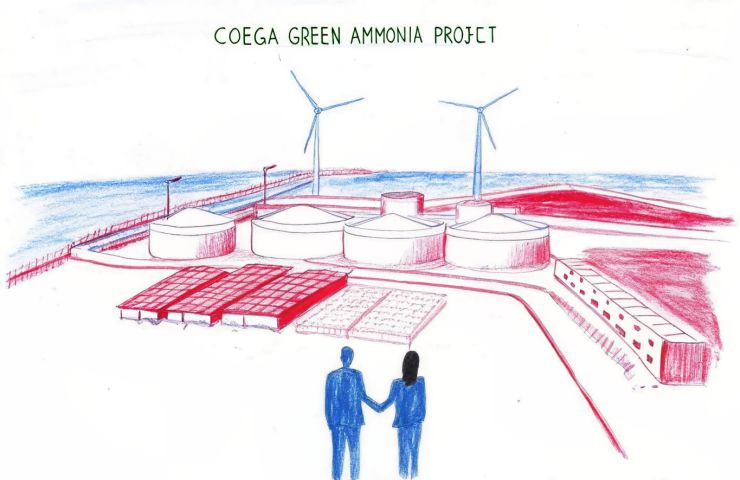
Two pioneering investments illustrate SA-H2’s impact. The Hive Hydrogen Coega Green Ammonia Project in the Eastern Cape SEZ plans to deploy about 1.2 GW of electrolysers powered by 3.5 GW of off-site wind and solar, producing up to one million tonnes per year of green ammonia for export. SA-H2’s US$20 million development funding secures rights to invest up to US$200 million at construction, targeting financial close and operations by 2029.
The second development agreement funds the Green eFuels Producers wastewater-to-green-methanol plant in Gauteng’s Vaal SEZ. Combining treated wastewater, biogenic CO₂ and green hydrogen, the facility will produce e-methanol for chemicals and shipping. The fund’s US$4 million commitment covers design, permitting and social impact studies, with options for up to US$26 million in later equity.
Technologies in Focus
Core hydrogen production methods underpin these projects. Water electrolysis—via proton exchange membrane (PEM) or alkaline electrolysers—splits water into hydrogen and oxygen using renewable power. Green ammonia production then combines hydrogen with nitrogen in a Haber–Bosch loop. E-methanol technology captures carbon from wastewater or industrial streams before reacting it with hydrogen over a catalyst. Successful deployment also depends on reliable renewable supply, water treatment or desalination, integrated storage and compression systems, and robust safety protocols.
Strategic Context and Impact
SA-H2 aligns with South Africa’s Hydrogen Society Roadmap and Green Hydrogen Commercialisation Strategy, which target at least 10 GW of electrolyser capacity and 500,000 tonnes of green hydrogen by 2030. These policies identify priority hubs—Northern Cape, Eastern Cape (Coega) and the Vaal Triangle—and emphasise decarbonising heavy industry while creating jobs. By mobilising R3 billion now, SA-H2 reduces the bankability gap for first-of-their-kind plants and paves the way for follow-on investment.
Economically, green hydrogen production is framed as a new export pillar capable of diversifying from coal, potentially adding up to 3% of GDP and supporting hundreds of thousands of jobs. The fund also supports clean hydrogen offtake agreements and strengthens South Africa’s position in global decarbonisation supply chains.
Connecting Renewable Hubs
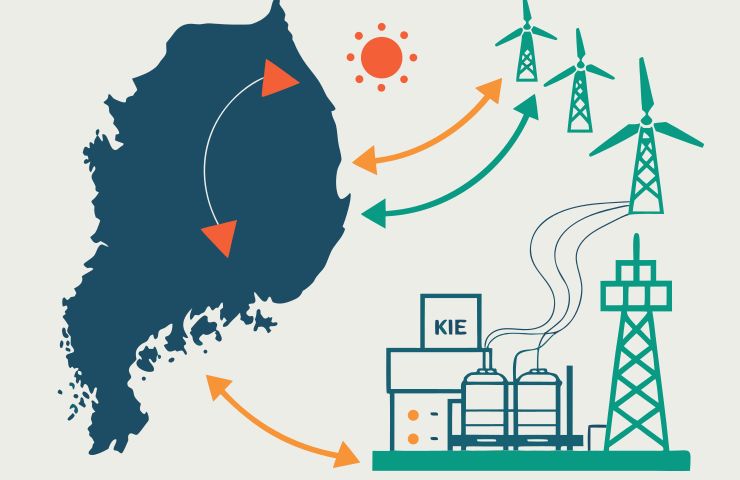
SA-H2’s projects form nodes in an emerging corridor that links Northern Cape solar and wind farms, coastal SEZs like Coega and Boegoebaai, and inland industrial clusters such as the Vaal Triangle. This integrated geography maximises resource use, port logistics and regional development.
Challenges Ahead
Despite progress, hurdles remain: water scarcity in arid zones, land-use conflicts, volatile electricity pricing, evolving offtake markets and regulatory clarity. Ensuring community engagement and environmental safeguards will be essential to maintain social license and secure long-term financing.
Looking Ahead
With its R3 billion first close, SA-H2 is on track to hit a R12 billion target by 2028. As development-stage projects mature toward construction finance, the fund is expected to crowd in additional private and institutional investors. Continued European grants and guarantees under Global Gateway will bolster confidence, linking South Africa’s green hydrogen output with Europe’s decarbonisation needs. If successful, SA-H2’s blended-finance approach could become a blueprint for emerging markets seeking to scale hydrogen project financing and build resilient low-carbon industries.
Overall, the first close of the SA-H2 Fund represents a critical inflection point in South Africa’s transition to a clean hydrogen economy, demonstrating how strategic patient capital can bridge the gap from policy to projects, unlock new export sectors and drive inclusive growth.