News
Tulum Energy Raises $27M to Scale Methane Pyrolysis for Low-Carbon Hydrogen Production in Mexico
Tulum Energy raises $27M to scale methane pyrolysis tech for low-carbon hydrogen in Mexico, targeting industry giants like Ternium and aiming to beat grey hydrogen on price and emissions.
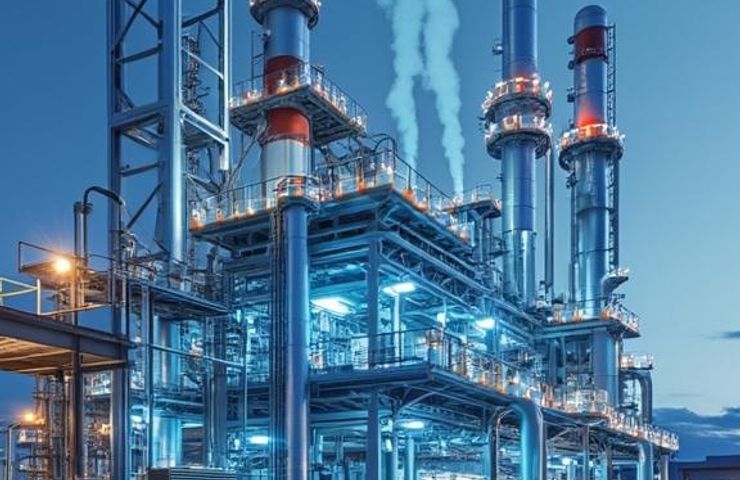
Shaking Things Up: Tulum’s Bold Bet on Methane Pyrolysis
Tulum Energy, a clean energy startup originally founded in Italy and now planting serious roots in Mexico, just locked in a fresh $27 million in funding. Their plan? Go full steam ahead—minus the CO2—with their methane pyrolysis tech to make clean hydrogen. The investment is led by Techenergy Ventures, part of the Techint Group, and it's fueling Tulum’s first pilot plant south of the border. The mission is clear: convert natural gas into hydrogen and solid carbon—zero emissions, no carbon capture needed.Fast Facts: The Lay of the Land
- Launch Date: July 2025 - Funding Raised: $27 million - Tech Spotlight: Methane pyrolysis—a high-heat, no-oxygen process that splits methane (CH₄) into hydrogen (H₂) and solid carbon - Where It’s Happening: Mexico - Industry Collaboration: Ternium—a steel heavyweight that’s all-in on clean hydrogen for Direct Reduced Iron (DRI) productionWhy This Matters
Let’s be real—most of the world’s hydrogen today (we’re talking about 100 million tons annually) is dirty. It's made through steam methane reforming (SMR), which spews out carbon dioxide like there’s no tomorrow. That’s what we call grey hydrogen. Enter Tulum and their “turquoise hydrogen”—delivered through methane pyrolysis. It could be the sweet spot between polluting grey and expensive green hydrogen that’s produced with electrolysis. And here’s the kicker: If Tulum can pull this off at their target cost of $1.50 per kg, we’re suddenly talking about clean hydrogen that makes financial sense. That changes the entire game for industrial decarbonization—think steel mills, cargo ships, and chemical plants.Under the Hood: How Methane Pyrolysis Works
So what’s the magic in this tech? Well, methane pyrolysis isn’t exactly new—it’s just never really gotten off the ground because, frankly, scaling it was a mess. But now? With smarter reactor designs, better carbon management, and renewable electricity powering the process, things are finally looking feasible. Instead of burning methane, pyrolysis breaks it down at high temps, cleanly and efficiently. No oxygen means no combustion. No combustion means no flue gas. Just two outputs: pure hydrogen and solid carbon. And guess what? That carbon isn’t waste—it can be used in everything from batteries to tires to construction materials.The Industry Hook: Teaming Up with Ternium
Tulum isn’t doing this in a vacuum—they’ve got Ternium in their corner, one of Latin America’s biggest steel producers. That partnership gives them real-world access to a massive use case: hydrogen-powered steel production using DRI, a process that traditionally leans heavily on coal. As for the location? Mexico makes perfect sense. It has cheap energy, easy access to natural gas, and a pro-clean-tech regulatory vibe. Tulum’s pilot plant could become the blueprint for something much bigger.Bigger Picture: The Promise of Turquoise Hydrogen
Here’s the thing—this tech has been on the sidelines for a while. But if Tulum cracks the code, it’s not just another R&D headline. This could be a legit shift in how we produce clean hydrogen. No more relying on costly carbon capture and storage (CCS) schemes—or waiting for electrolysis to become dirt cheap. Just clean hydrogen and a useful byproduct. We’re talking serious emissions reduction potential across some of the dirtiest sectors out there—steel, ammonia, long-haul transport, chemicals. In other words, it’s not just green—it’s smart business.The Real Talk
Honestly, this isn’t your typical climate tech fluff piece. Tulum Energy is reviving a technology most folks had written off. But if they can prove it's scalable, reliable, and cost-effective, this could be one of the strongest alternative plays to traditional hydrogen production. Of course, it won’t be a walk in the park. Scaling thermal reactors, managing carbon output, and keeping costs in check are all tough hurdles. That $27 million is a solid start—but it’s really just the opening move. They’ll need more industry partners, more capital, and a scale-up strategy that doesn’t stumble. Still, in a world where green hydrogen projects often burn cash faster than fuel, this turquoise hydrogen approach looks like a leaner, meaner path to sustainable energy.Final Thoughts
Tulum Energy isn’t just building another demo plant—they’re aiming for a full-blown shakeup of industrial hydrogen. If they play their cards right, they won’t just make cleaner fuel—they’ll help reinvent steelmaking, one molecule at a time.How was this article?
Thanks for the feedback!