Hydrogen trains advance in Bavaria: Siemens Mireo Plus H entering regular service
Südostbayernbahn and Siemens Mobility are rolling out three Mireo Plus H hydrogen trains on a non-electrified Bavarian line this December, pioneering zero-emission regional service.
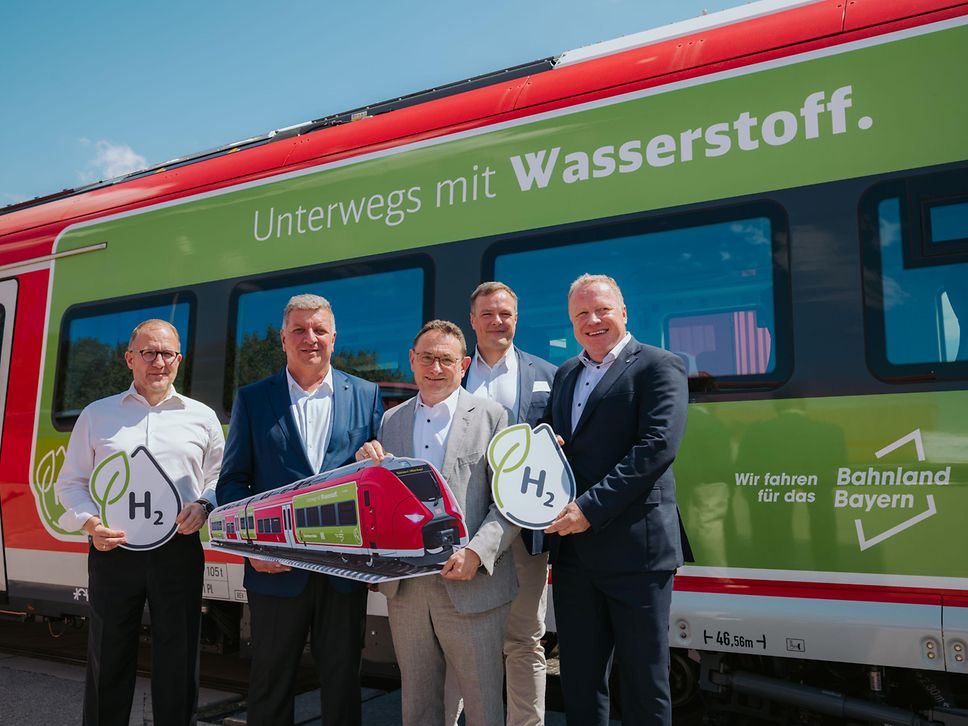
Picture yourself hopping on a train that smoothly glides through the beautiful hills of Upper Bavaria, only leaving behind a trail of water vapor. Believe it or not, that dream is becoming a reality! This summer, Südostbayernbahn teamed up with Siemens Mobility to roll out the Mireo Plus H, a hydrogen-powered train that's all set to take regular passengers on board. After some successful test runs, three two-car sets are going to replace those old diesel multiple units on the Mühldorf–Burghausen line starting this December. This is a significant step in the journey toward cleaner, greener rail travel and shows just how zero-emission transportation can look like for regional routes.
Can hydrogen really take the place of diesel on regional lines?
The Mühldorf to Burghausen run stretches about 32 kilometers through a mix of quaint little towns and stunning landscapes. Until now, this line has relied on diesel trains as part of the larger Southeast Bavaria network, which doesn't have overhead electrification. Putting up those overhead wires everywhere can be a real headache—both in time and cost. Hydrogen comes to the rescue, offering a neat solution to swap out diesel engines for fuel cells and batteries while keeping the same tracks. The aim? To cut tailpipe emissions down to zero. Now, with the Mireo Plus H gearing up for its scheduled service later this year, we’ll soon find out if this theory really holds water in real-world conditions.
Inside the Mireo Plus H powertrain
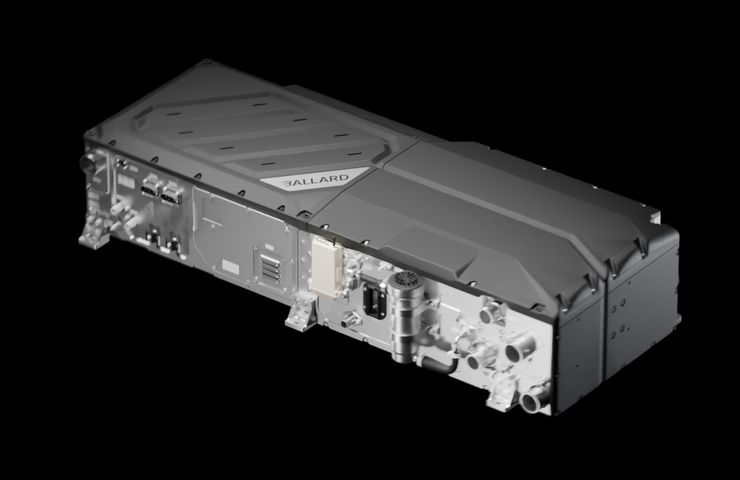
Let’s lift the hood on the Mireo Plus H. Under that sleek exterior, each car houses a high-pressure hydrogen tank that powers proton exchange membrane (PEM) fuel cells provided by Ballard Power Systems. These fuel cells work their magic by generating electricity through a chemical reaction between hydrogen and the oxygen around us, and guess what? The only outputs are water vapor and a bit of heat. Here’s where it gets interesting: that electricity powers two key components:
And when it comes to braking, there's a regenerative system that turns all that kinetic energy back into electrical energy, recharging the battery and cranking up overall efficiency. There's even a smart energy management unit that makes sure everything runs smoothly, balancing the output from the fuel cell and keeping the battery topped off. Typically, these trains can operate for several hundred kilometers on a single refuel, so they'll easily handle a full day's service on the Mühldorf–Burghausen route before needing to gas up at a hydrogen refueling station.
Meet the pioneers
This groundbreaking project is a team effort, bringing together public and private players under Bavaria’s push to decarbonize rail travel:
Why does this matter?
Switching gears to hydrogen traction brings a slew of benefits for the folks in southeast Bavaria and beyond:
The journey to hydrogen rail
Bavaria’s commitment to hydrogen as a fuel for trains isn't a new idea. It all started back with early prototype trials. One of their two-car Mireo Plus H models, operated by Bayerische Regiobahn, took to routes like Augsburg–Füssen to gather valuable data on how things performed in the region. Meanwhile, Brandenburg has been at it too, introducing hydrogen trains on the Heidekrautbahn line and proving that the tech works. These initial tests helped nail down safety protocols, maintenance processes, and crew training. Now, with SOB taking the leap from limited testing to a fully contracted fleet under the “Linienstern Mühldorf 2025+” regional service agreement, they’re ready to roll.
Beyond just a test run
Once these three hydrogen trains kick off regular service, we’ll start getting real insights about costs, scheduling, and hydrogen logistics. There are some burning questions to consider:
Bavarian officials see these answers as crucial for figuring out whether hydrogen can be a temporary fix while waiting for full electrification. Siemens and their partners will be digging deep into the data to refine energy management and storage solutions based on real service experience. If they get it right, it could spark a wave of similar projects across rural and industrial areas still relying on diesel.
As passengers start hopping onto these emission-free trains for their daily rides, Bavaria will have solid proof of how hydrogen can transform regional rail travel. This success story could lead to more orders for hydrogen trains, ramp up green hydrogen production, and move hydrogen projects from trial runs into normalized, everyday service.
For the communities along the Mühldorf–Burghausen line, embracing hydrogen traction isn’t just about testing something new; it’s about a genuine promise of cleaner air, quieter rides, and smart investments that pay off. With Bavaria setting the pace, eyes across Europe will undoubtedly be watching to see whether hydrogen trains can genuinely deliver on their promise of being zero-emission champions.