Trina Green Hydrogen shipped its first containerized electrolyser to Porto, Portugal,
Trina Green Hydrogen shipped its first containerized electrolyser to Porto, Portugal, marking a milestone in Europe’s quest for green hydrogen-powered transport and industrial decarbonization.
Porto Emerges as a Green Hydrogen Hub
It’s early August 2025, and if you stroll through the winding streets of Porto, you’ll feel an electric buzz—not the kind that comes from sipping a glass of port, but the kind generated by big green energy dreams. This northern Portuguese gem, home to 1.72 million people in its metro area, has always worn two hats: a historic cultural centre and a bustling industrial hotspot. But lately, the chatter has shifted from barrels to molecules. After years of backing wind farms and solar parks, local leaders are now betting on a Green hydrogen electrolyser revolution. With a tailwind from the EU Green Deal, Porto isn’t just eyeing cleaner air; it’s carving out a model for clean mobility, deep industrial decarbonization and cross-border teamwork in Renewable energy Europe. And I’d argue we’re just getting started.
Europe’s Hydrogen Momentum
Over the past few years, Europe has really turned the dial up on clean hydrogen. Ever since the EU Hydrogen Strategy dropped in 2020, euros have been flowing into everything from next-gen electrolysis to long-duration storage and fuel cell research. Major players and nimble startups alike are rolling out pilot projects across Germany, Spain and beyond, all racing toward that 2050 climate-neutrality finish line. And just when you thought things couldn’t heat up further, newcomers from China—bolstered by their solar and battery prowess—have entered the fray. Among them, Trina Green Hydrogen is staking its claim with bold ambitions and eye-catching innovations.
A Milestone Shipment
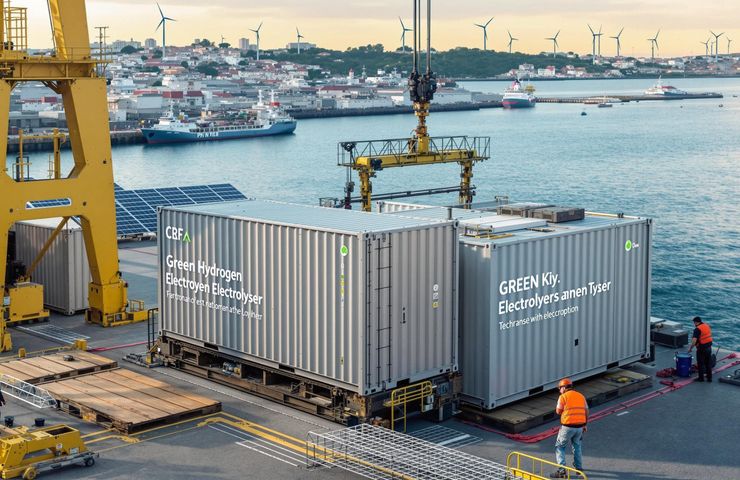
Remember August 1, 2025? That’s the day Trina Green Hydrogen—the clean hydrogen offshoot of solar heavyweight Trina Solar—made waves by shipping its first containerized Green hydrogen electrolyser to Europe. It’s not just any gadget: this plug-and-play module comes complete with power conditioning gear, gas-handling lines and smart on-board controls. Soon, it’ll roll into place at a new government-backed Hydrogen refuelling station on Porto’s outskirts, marking a turning point for Portugal’s transport sector, which has been itching for zero-emission breakthroughs.
This inaugural delivery isn’t simply a box on a dock; it’s a bold statement. In 2025 alone, Trina Green Hydrogen has snatched awards for its inventive edge, and this European debut positions it shoulder-to-shoulder with established electrolyser makers. For the Portuguese Government, this move dovetails perfectly with efforts to cut carbon and slash reliance on imported fossil fuels, highlighting why this Portugal hydrogen project matters on the continental stage.
Inside the Electrolyser Technology
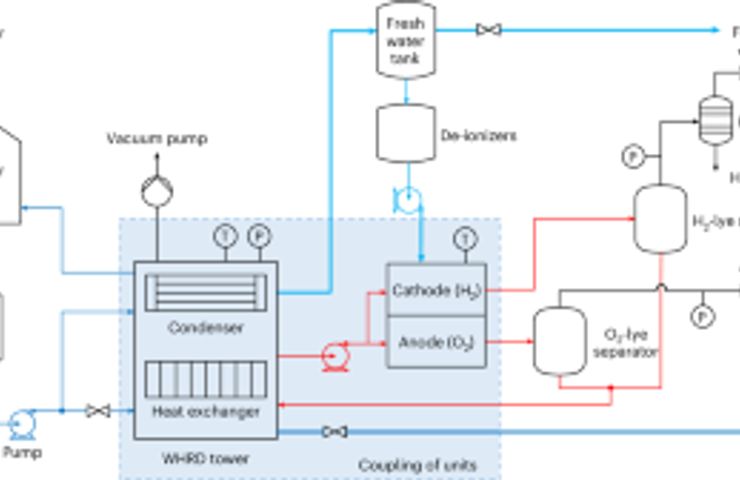
So, how does this container lab turn H₂O into clean fuel? Inside, electrolyser stacks split water molecules into hydrogen and oxygen using electricity—ideally from on-site solar panels or nearby wind turbines. The oxygen gets vented safely, while the green hydrogen is compressed, stored and readied for use. Since everything arrives pre-assembled in a standard 20-foot container, you’re looking at weeks (not months) to get up and running—a modular setup that slashes installation time and costs.
What really sets this unit apart is its balance-of-plant design: high efficiency, minimal upkeep, and the flexibility to hook into rooftop PV, sprawling solar farms or microgrid systems with ease. It feels a bit like plugging in a giant, high-tech appliance—one that just so happens to churn out zero-carbon fuel.
Collaboration Fuels Growth
This whole effort didn’t spring up overnight. Behind the scenes, the Portuguese Government has fast-tracked permits and funneled EU Green Deal funds into hydrogen refuelling infrastructure, clearing the runway for a national network of clean corridors from Lisbon all the way to Spain. Meanwhile, local universities and research centres are teaming up with Trina Green Hydrogen’s engineers, sharing know-how and cranking up Europe’s homegrown innovation engine.
Of course, importing proven tech also raises questions about supply chain resilience and technology sovereignty—hot topics for policymakers across Renewable energy Europe. And let’s not overlook the jobs: port operators, logistics firms and maintenance crews are gearing up to handle this advanced kit, creating dozens of skilled roles and sparking just the kind of economic ripple effect everyone’s been hoping for.
A Glimpse into the Future
With the first containerized electrolyser just about ready to flip the switch, Porto is primed to play a starring role in Europe’s hydrogen narrative. That station will feed fuel cell buses and trucks, collecting real-world performance data to guide the rollout of more systems—potentially stretching across Spain, France and beyond—knitting cities and industries into a high-capacity, zero-emission network.
Down the road, green hydrogen could tackle heavy hitters like steelmaking and chemical processes—industries that’ve long resisted decarbonization. By pooling public money, private ingenuity and cross-continental expertise, we’re catching a glimpse of a future where renewables, storage and mobility aren’t just buzzwords but a seamless reality. And it all kicked off with one containerized electrolyser on its way to Porto.
Make no mistake: Trina Green Hydrogen is leading the charge, but the real test will be sustaining that spirit of collaboration—between governments, tech pioneers and local communities. If this first shipment is any clue, Europe’s green hydrogen boom is only just revving up.