Hydrogen news
Toyota to use waste to hydrogen in project with Thailand’s CP Group
The automaker is testing equipment for a project to use biogas from Charoen Pokphand Group. Toyota Motor recently announced that it will be launching a waste to hydrogen project in Thailand starting in November. It plans to work with Thai conglomerate Charoen Pokphand Group, which will supply biogas for H2 production to help decarbonize the Thai transport sector. Toyota will be installing equipment that will use CP biogas to produce H2 south of Bangkok. Through this project, the automaker will be installing waste to hydrogen equipment at its Asia-Pacific headquarters located south of Bangkok…

The automaker is testing equipment for a project to use biogas from Charoen Pokphand Group.
Toyota Motor recently announced that it will be launching a waste to hydrogen project in Thailand starting in November. It plans to work with Thai conglomerate Charoen Pokphand Group, which will supply biogas for H2 production to help decarbonize the Thai transport sector.Toyota will be installing equipment that will use CP biogas to produce H2 south of Bangkok.
Through this project, the automaker will be installing waste to hydrogen equipment at its Asia-Pacific headquarters located south of Bangkok in Samut Prakan province. It will use biogas to produce the H2. The biogas will be produced by chicken manure from CP Group operated poultry farms. It will also be sourced from food waste from the cafeteria at the Toyota regional headquarters.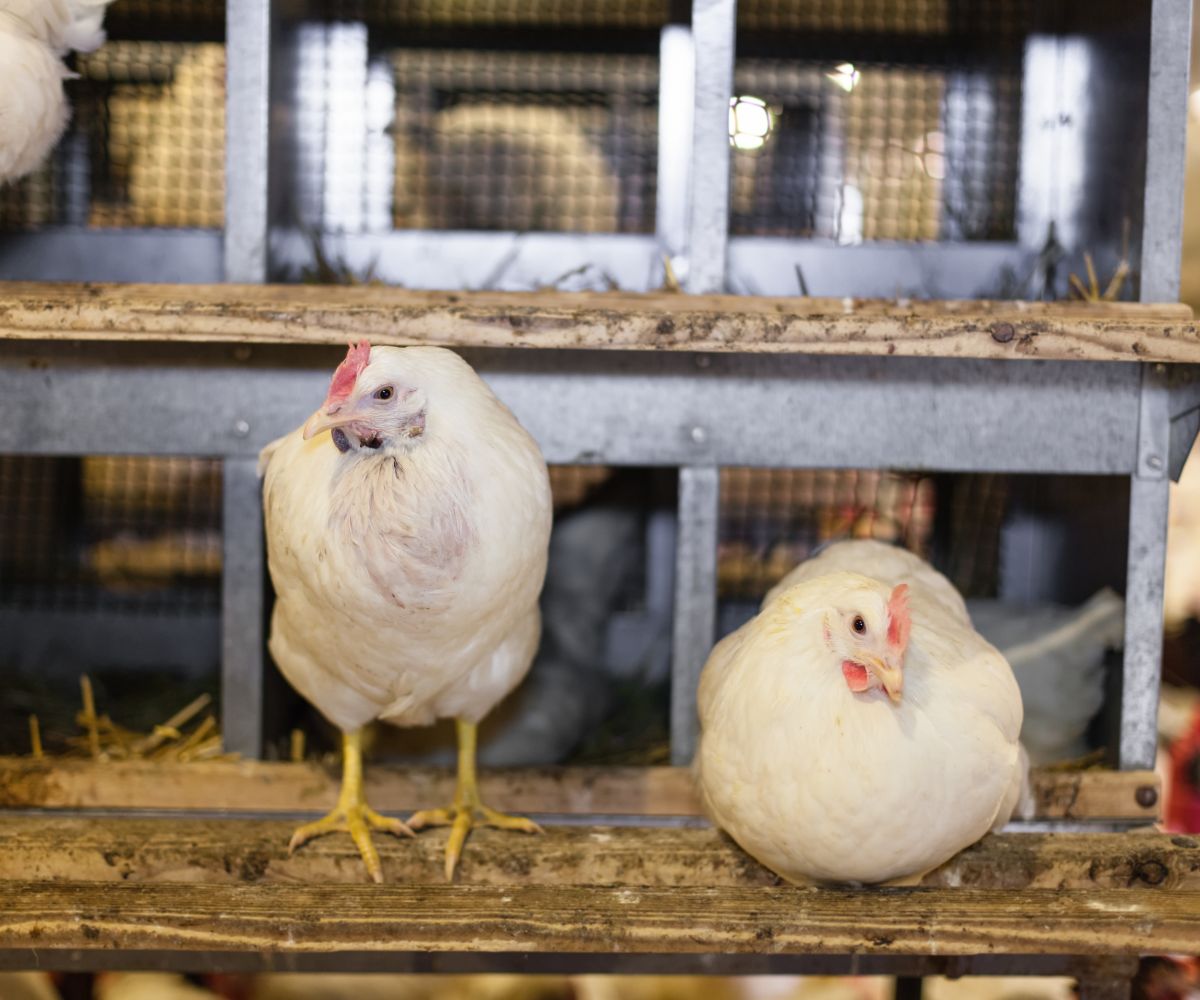 This represents the first time both Thailand and Toyota have launched a pilot project that will use biogas for the production of H2, said a statement from the automaker.
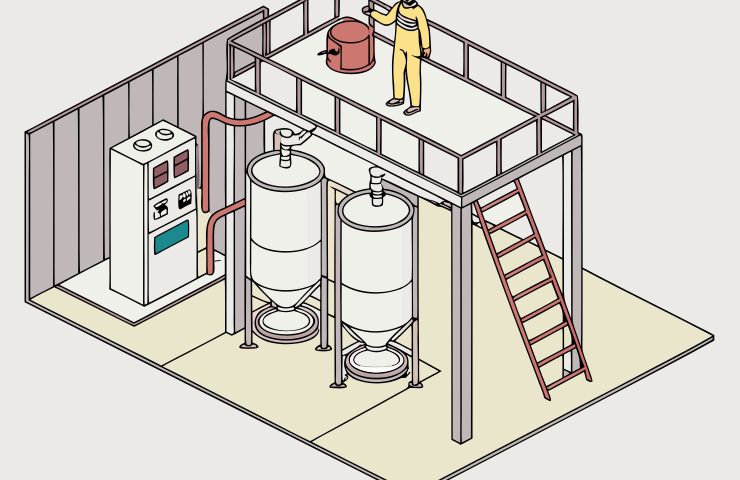
The waste to hydrogen equipment to be used for the project will be provided by Mitsubishi Kakoki.
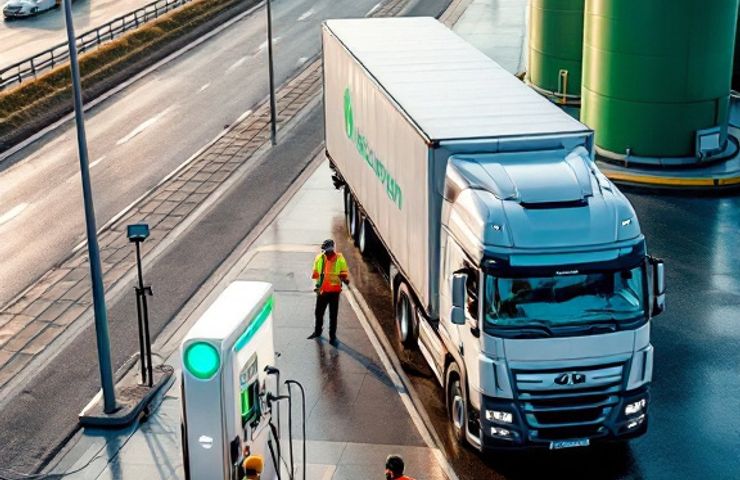
Japanese engineering company Mitsubishi Kakoki will be providing equipment capable of producing 1,000 liters of H2 every hour. That is an amount that works well with this type of experiment project. Toyota and Toyota Tsusho, the automaker’s trading arm, will be developing and creating a compression, storage and transportation system for the biogas and H2. The automaker has yet to announce how much it plans to spend on this project. The strategy is a component of the automaker’s partnership with CP Group, which first started in December 2022. CP operates in a number of different industries, including agriculture, retail and distribution. Both companies examined the production of H2 using biogas in order to use the waste to hydrogen fuel to power CP’s delivery trucks. CP plans to work those vehicles into its fleet in order to help it decarbonize.
Looking forward with H2
Following the test, the plan is to use the equipment to continue the project. That said, neither company has announced a set timeline for how that will work out.Hydrogen FAQ's About Toyota Biogas to H2 Project
Q1: What is Toyota's waste to hydrogen project in Thailand? Toyota Motor is launching a waste to hydrogen project in Thailand, in collaboration with Thai conglomerate Charoen Pokphand Group (CP Group). The project aims to use biogas for hydrogen production to help decarbonize the Thai transport sector. Q2: What role does Charoen Pokphand Group play in this project? CP Group will supply the biogas for hydrogen production. The biogas will be produced from chicken manure from CP Group operated poultry farms and food waste from Toyota's regional headquarters' cafeteria. Q3: Where will the project take place? The project will be launched at Toyota's Asia-Pacific headquarters located south of Bangkok in Samut Prakan province. Q4: What is unique about this project? This project represents the first time both Thailand and Toyota have launched a pilot project that will use biogas for the production of hydrogen. Q5: Who is providing the equipment for this project? Japanese engineering company Mitsubishi Kakoki will provide the waste to hydrogen equipment, capable of producing 1,000 liters of hydrogen every hour. Q6: What is the role of Toyota and Toyota Tsusho in this project? Toyota and Toyota Tsusho, the automaker’s trading arm, will develop and create a compression, storage, and transportation system for the biogas and hydrogen. Q7: What is the ultimate goal of the project? The goal is to use the hydrogen produced from waste to power CP Group's delivery trucks, helping the company decarbonize its operations. However, neither company has announced a set timeline for how this will work out. Q8: How much is Toyota planning to invest in this project? Toyota has not yet announced how much it plans to spend on this project. Q9: When did the partnership between Toyota and CP Group start? The partnership between Toyota and CP Group started in December 2022, with the aim to examine the production of hydrogen using biogas.How was this article?
Thanks for the feedback!