Hydrogen news
Toyota to focus more on electric vehicles
Automaker has plans to develop a battery-powered, long-range vehicle Toyota has announced plans to focus more heavily on battery-powered vehicles in the coming years. The company has long held an interest in batteries, but much of its attention had seemed to be fixed on hydrogen fuel cells. Now, however, Toyota plans to produce long-range, battery-powered vehicles by 2020, which will likely affect its production of fuel cell vehicles in the future. Toyota is not likely to abandon fuel cells, of course, but its focus on electric vehicles is growing more prominent. Toyota is struggle to sell it…
Automaker has plans to develop a battery-powered, long-range vehicle
Toyota has announced plans to focus more heavily on battery-powered vehicles in the coming years. The company has long held an interest in batteries, but much of its attention had seemed to be fixed on hydrogen fuel cells. Now, however, Toyota plans to produce long-range, battery-powered vehicles by 2020, which will likely affect its production of fuel cell vehicles in the future. Toyota is not likely to abandon fuel cells, of course, but its focus on electric vehicles is growing more prominent.Toyota is struggle to sell its first fuel cell vehicle in the US
The Japanese automaker has been having some trouble selling its Mirai, the first fuel cell vehicle it produced, in the United States. The company has cut prices on the vehicle on several occasions. In California, the Mirai is available for lease for $350, where it had initially been available for $500. Toyota has delivered 782 units of the Mirai throughout California, with many of these vehicles having been acquired by government agencies.Fuel cells continue to experience difficulties
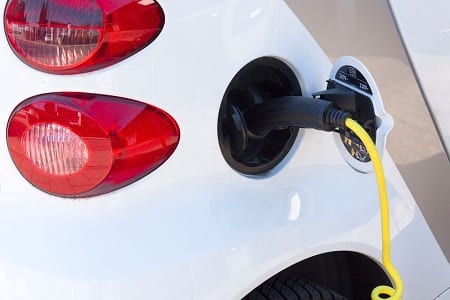 Auto industry analysts had predicted that Toyota would eventually move away from hydrogen fuel cells due to the complications that these energy systems represent. Fuel cells are highly efficient and produce no harmful emissions, but they are notoriously expensive due to the fact that they make use of very costly materials. Moreover, fuel cells do not have the support of a comprehensive hydrogen fuel infrastructure, which they need in order to operate effectively. In comparison, electric vehicles have significant infrastructure support, with charging stations being located in many large cities.
Electric vehicles have their own problems to overcome
Electric vehicles have been modestly popular for many years, but still lag behind conventional vehicles in terms of performance and efficiency. Typically, electric vehicles have a relatively short range, making them less attractive to those that need to travel frequently, even for short commutes. Another problem that consumers have had with electric vehicles is their charge time. Conventional cars can be fueled in minutes, but electric vehicles require several hours to charge completely.How was this article?
Thanks for the feedback!