Hydrogen news
Why Synthetic Graphite from FortisBC’s Hydrogen Process Could Transform Batteries and Steelmaking
Pioneering Turquoise Hydrogen Production in British Columbia FortisBC is taking meaningful steps toward a low-carbon future with its methane pyrolysis pilot project in Kitchner, B.C. The project utilizes cutting-edge technology to produce turquoise hydrogen—a clean energy alternative with vast potential—while creating synthetic graphite as a valuable byproduct. This initiative exemplifies a commitment to reducing greenhouse gas emissions and advancing low-carbon energy solutions. Initially developed in partnership with Suncor Energy and Australia's Hazer Group, the pilot project faced a shif…
Pioneering Turquoise Hydrogen Production in British Columbia
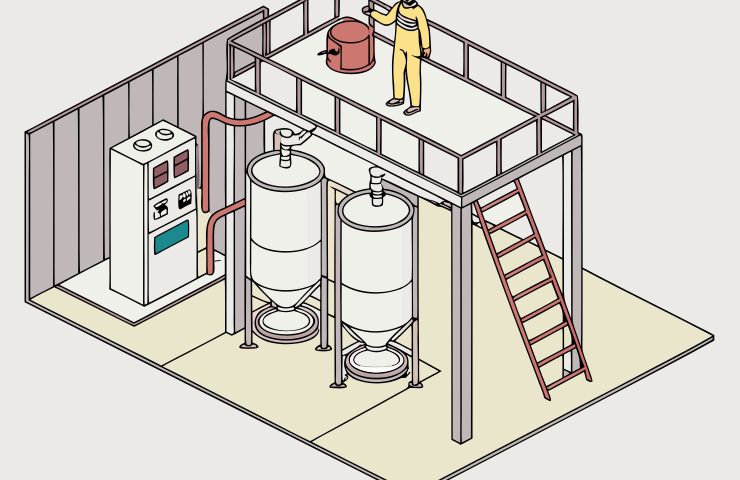
FortisBC is taking meaningful steps toward a low-carbon future with its methane pyrolysis pilot project in Kitchner, B.C. The project utilizes cutting-edge technology to produce turquoise hydrogen—a clean energy alternative with vast potential—while creating synthetic graphite as a valuable byproduct. This initiative exemplifies a commitment to reducing greenhouse gas emissions and advancing low-carbon energy solutions. Initially developed in partnership with Suncor Energy and Australia's Hazer Group, the pilot project faced a shift in plans when Suncor withdrew from the collaboration in 2023. Despite this setback, FortisBC and Hazer moved forward, constructing a new test facility in Kitchner, B.C., to refine critical engineering and technical processes.How Methane Pyrolysis Works
Methane pyrolysis is an innovative process that breaks down natural gas into hydrogen and solid carbon (synthetic graphite) without emitting carbon dioxide (CO₂). Unlike conventional hydrogen production methods, this process captures carbon in a stable, solid form, eliminating the challenges associated with CO₂ handling and storage. The Kitchner facility, built with $11.25 million in funding—including an $8 million contribution from the CleanBC Industry Fund—is not yet producing hydrogen or graphite. Instead, it serves as a testing ground to validate key aspects of the Hazer technology. These insights will inform the development of a larger, first-in-the-world commercial-scale turquoise hydrogen plant in British Columbia.Advancing Clean Hydrogen for Decarbonization
Hydrogen is often hailed as a critical tool for global decarbonization, and turquoise hydrogen brings unique benefits to this effort. By capturing carbon directly in a solid state, methane pyrolysis avoids the greenhouse gas emissions typical of traditional methods, such as grey hydrogen production.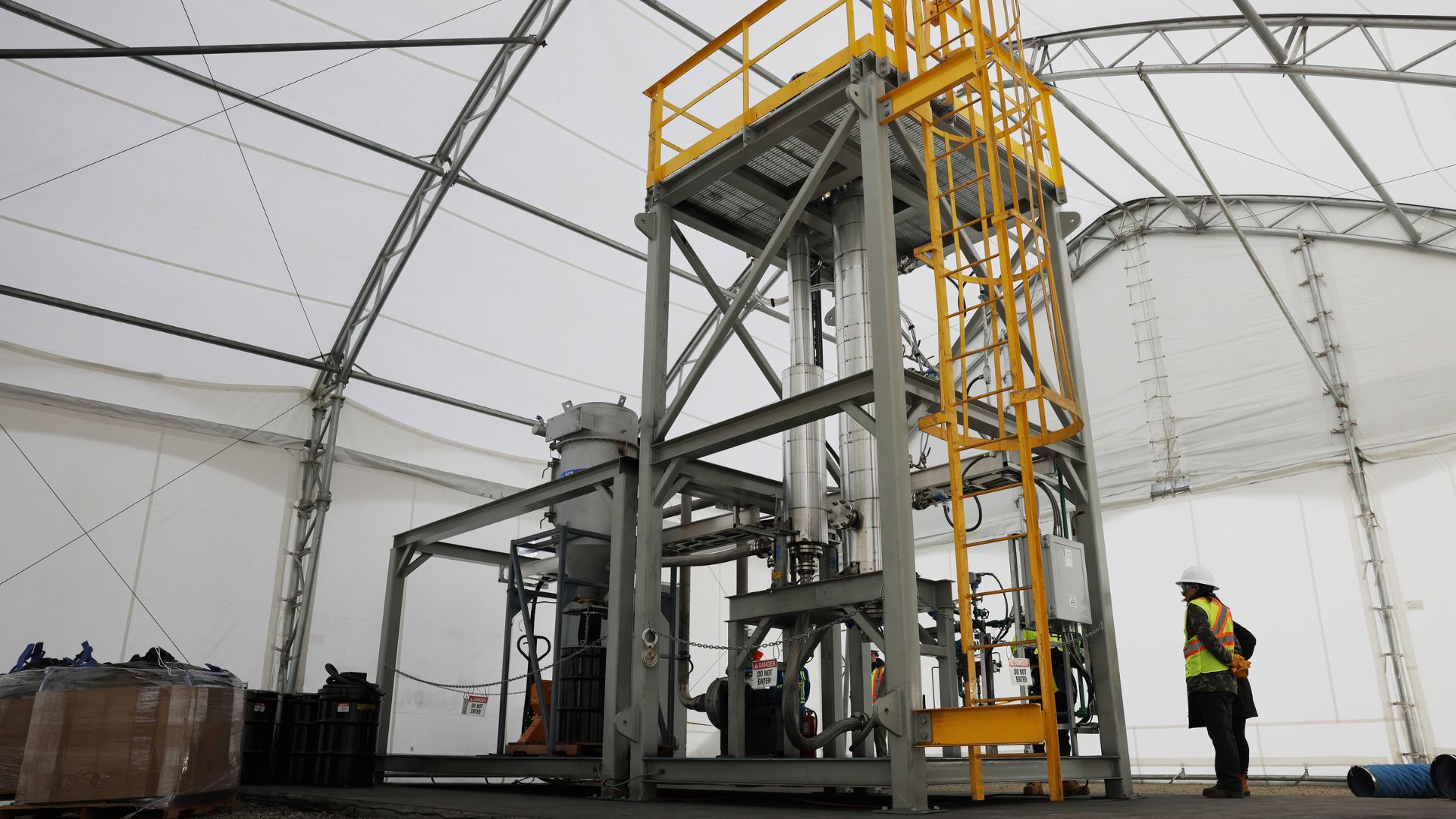 For FortisBC, turquoise hydrogen holds particular promise as a blending fuel to lower the carbon intensity of natural gas systems. By incorporating hydrogen into existing infrastructure, the company aims to reduce emissions across thousands of households and industries in British Columbia.
The Versatility of Synthetic Graphite
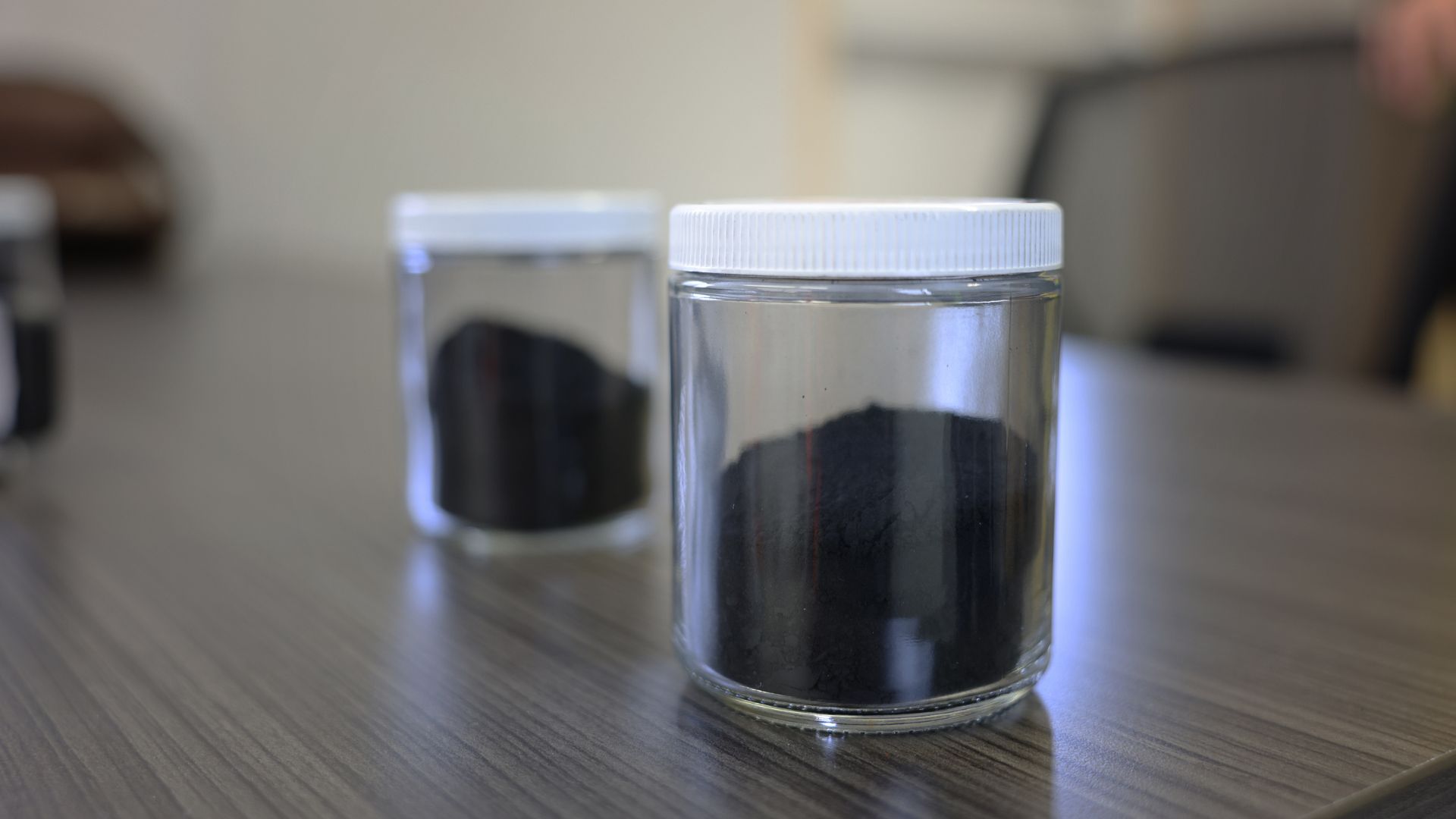
An equally significant byproduct of methane pyrolysis is synthetic graphite—a high-value material with applications in industries ranging from steel manufacturing to battery production. Unlike waste outputs from other industrial processes, synthetic graphite can serve as a low-carbon alternative to metallurgical coal in steelmaking or as an anode material in lithium-ion batteries. FortisBC sees this byproduct as a way to unlock additional environmental and economic benefits, fostering sustainable practices across sectors. Its potential market applications position synthetic graphite as a catalyst for cleaner technologies and supply chains.Collaboration and Innovation at the Forefront
The success of FortisBC's methane pyrolysis project is built on partnerships and innovation. The Hazer process, developed by the Australian company Hazer Group, uses iron ore as a catalyst, offering an efficient method for generating hydrogen and graphite from natural gas. Additionally, the $8 million grant from the CleanBC Industry Fund underscores the provincial government's investment in reducing industrial emissions and propelling clean technology forward. These collaborative efforts highlight the importance of public-private partnerships in tackling climate change and driving economic growth through sustainable energy solutions.Charting the Path to Commercialization
With the pilot project's technical and engineering tests underway, FortisBC and Hazer are now focusing on next steps. They are actively searching for a site in British Columbia to establish a commercial-scale Hazer hydrogen plant. If successful, this facility would be the first of its kind at this scale globally, cementing B.C.'s role as a leader in sustainable energy innovation. A final investment decision is anticipated within the next one to two years, marking a critical milestone in the project's progress. Should the facility move forward, it promises to bolster hydrogen infrastructure and integrate seamlessly into existing energy systems, accelerating the province’s transition to clean energy.Supporting B.C.’s Climate Action Goals
The timing of FortisBC’s methane pyrolysis initiative aligns with British Columbia’s ambitious climate goals, as outlined in the 2021 Hydrogen Strategy. This strategy prioritizes the production of over 200 petajoules of renewable and low-carbon hydrogen annually by 2050—an amount capable of replacing current natural gas volumes in the province. By advancing the methane pyrolysis technology, FortisBC is not only contributing to this vision but also demonstrating how innovation can address energy demands while significantly reducing emissions.Shaping the Future of Energy
Although still in its early stages, FortisBC’s pilot project represents a significant step forward for clean hydrogen and sustainable industrial practices. It offers real-world applications not only in the energy sector but also in critical industries like construction, manufacturing, and advanced technologies dependent on high-quality materials like synthetic graphite. With testing currently underway, the insights gained from the Kitchner pilot will guide the development of a scalable, commercially viable hydrogen production plant. By opening new pathways for cleaner energy and industrial solutions, this project underscores British Columbia’s ability to lead in the global shift towards sustainability.How was this article?
Thanks for the feedback!