Hydrogen news
Why global collaboration is key to supercharging the hydrogen industry
If COP29 has highlighted one thing, it’s that climate change does not respect borders. To tackle our global climate emergency, countries need to work together to speed up the rollout and use of greener fuels. But for that to happen, we need stronger international collaboration – and fast. Calling for action As world leaders gathered in Baku for COP29, a global coalition of industry associations put hydrogen firmly in the spotlight. In an open letter, they called for urgent action to speed up the deployment of clean hydrogen, stating the need for a collective commitment. Standing together in…

If COP29 has highlighted one thing, it’s that climate change does not respect borders.
To tackle our global climate emergency, countries need to work together to speed up the rollout and use of greener fuels. But for that to happen, we need stronger international collaboration – and fast.Calling for action
As world leaders gathered in Baku for COP29, a global coalition of industry associations put hydrogen firmly in the spotlight. In an open letter, they called for urgent action to speed up the deployment of clean hydrogen, stating the need for a collective commitment. Standing together in this way, they highlighted the many frustrations of the industry. They also showed how much the green hydrogen market needs international collaboration if it is to grow. Clean hydrogen has a vital role to play in the transition to a more sustainable energy future. But for many years, the industry has been held back from reaching its potential due to fragmented investment, innovation and infrastructure. Nations and organisations have been working on developing their hydrogen market separately. However, this is a mistake. Boosting international collaboration in a number of key areas could revolutionise our industry – and help to achieve our net zero targets.Setting international standards
Firstly, we need to develop a set of international regulatory standards for the hydrogen industry.This could include introducing standardised safety protocols for production, storage and transport. For example, set standards for emissions measurement.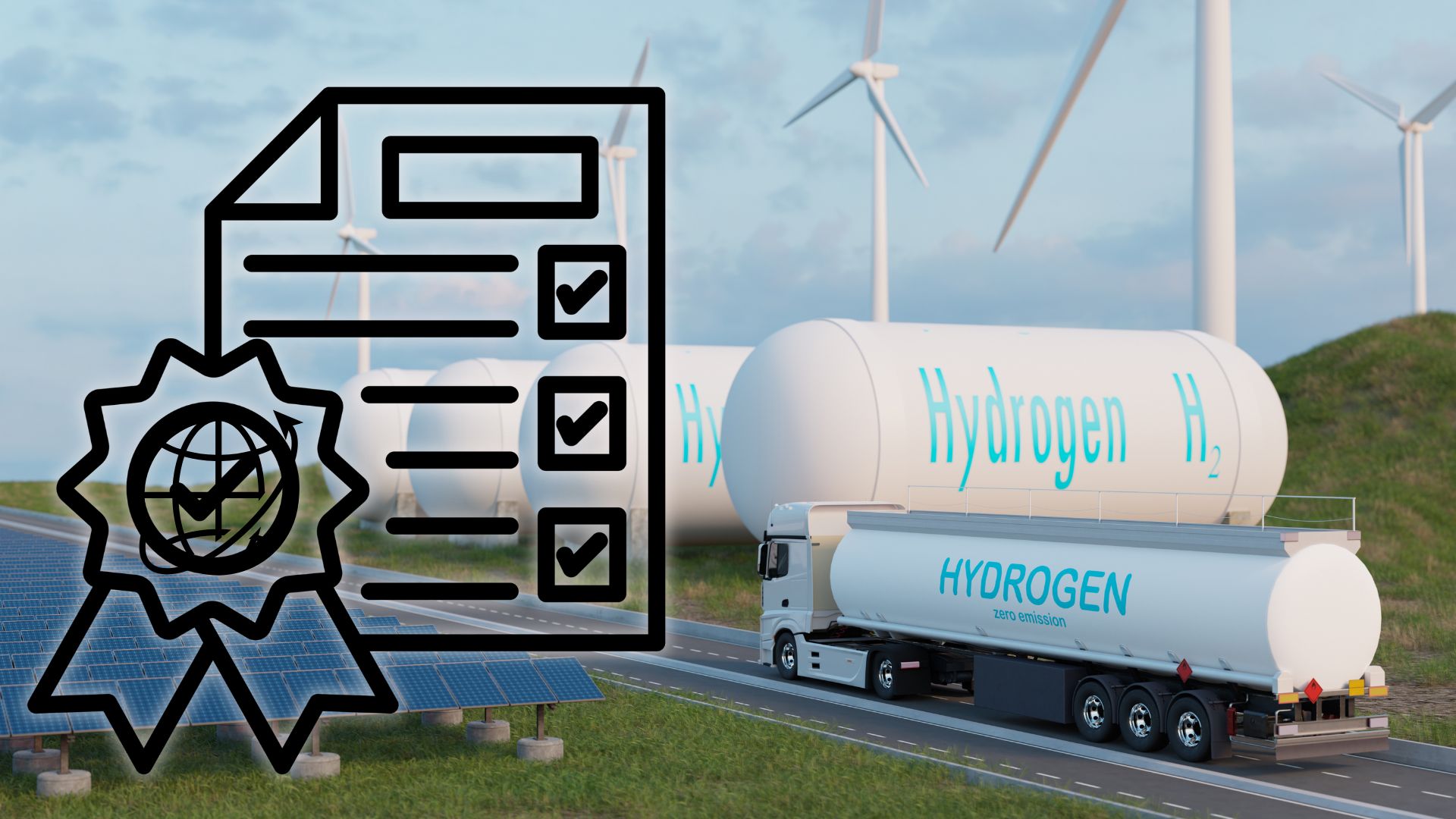 This will have two main benefits.It will enhance safety by minimizing the risk of future accidents or leaks. But it will also increase public awareness and trust in hydrogen technologies and systems. And this in turn will encourage wider adoption.
Introducing a set of agreed regulatory standards can only help to reduce trade barriers and encourage global trade. And all this will make the sector a much more attractive option for investors.
In addition, adopting a standardised approach will make it easier for producers to streamline and scale their production processes, helping them to reduce production costs.
This will have two main benefits.It will enhance safety by minimizing the risk of future accidents or leaks. But it will also increase public awareness and trust in hydrogen technologies and systems. And this in turn will encourage wider adoption.
Introducing a set of agreed regulatory standards can only help to reduce trade barriers and encourage global trade. And all this will make the sector a much more attractive option for investors.
In addition, adopting a standardised approach will make it easier for producers to streamline and scale their production processes, helping them to reduce production costs.
Knowledge is power
Renewable energy relies heavily on innovation. If we can create a global environment where we encourage countries to pool their resources and share knowledge, we’ll be able to unlock the potential of hydrogen far quicker. There are so many benefits to international partnerships. Companies in the private sector can exchange knowledge and ideas, and share Research & Development costs. It also helps nations to avoid duplicating their efforts, speeding up technological advancements and helping us to accelerate our efforts in clean hydrogen production. We’ve already seen examples of countries working together to explore emerging technologies, such as the UK and France agreeing to cooperate on a hydrogen research exchange. While this is encouraging, we now need to see more of this.Joining up our network
Many countries have already started building their own hydrogen infrastructure. But pipelines, storage facilities and refuelling stations all need a huge injection of cash.And that’s where a coordinated international approach comes in. Being able to collaborate helps to share costs, especially for larger infrastructure projects.This would massively reduce the financial burden on individual countries, revolutionising the sector. Meanwhile, forging international partnerships could help to attract funding from organisations like the EU or the World Bank. As these global giants often prioritise projects serving more than one country, countries could gain access to far greater amounts of capital than applying alone.Going global with policies
While we have growing investment in hydrogen projects, we still urgently need policies which cross borders to actively support and promote hydrogen development. International agreements have a vital role to play in incentivizing higher worldwide demand for greener hydrogen by setting global standards and policies. For example, policymakers putting in place initiatives like sustainable fuel quotas. Such policies would help to stimulate global demand, and speed up the deployment of hydrogen. And in turn, this increase in demand would help with scaling up production.The bigger picture with partnerships
International collaboration is vital if we are to push hydrogen to the next level. By working together, we can break down the current barriers we face to trade. We can boost innovation, and create a coordinated infrastructure that’s much more efficient. Greater collaboration between governments, global organisations and the private sector worldwide can save money and time. And once it gains momentum, it will spur on more partnerships in the wider green energy sector – and beyond. But these important collaborations won’t happen by accident. We need a global commitment to creating strategic partnerships, and for these to work alongside the right long-term incentives and investment strategies. Only then can hydrogen become a true catalyst for the energy transition that the world needs. By Paul Willacy, CEO of waste-to-hydrogen innovators Compact Syngas SolutionsHow was this article?
Thanks for the feedback!