Hydrogen news
Ancient Pompeii to be fitted with invisible solar panels
The clean energy collectors are designed to imitate the appearance of Roman terracotta roof tiles. When a massive eruption of Mount Vesuvius in 79 CE sent ash, smoke and lava over the Roman city of Pompeii, its devastation also managed to preserve it, and new invisible solar panels are now being installed to help power it without intruding on the authentic appearance. The new photovoltaic cells were designed to provide green energy while blending into the background. The invisible solar panels are a part of the archaeological site’s efforts to cut costs and be more sustainable. They were desi…
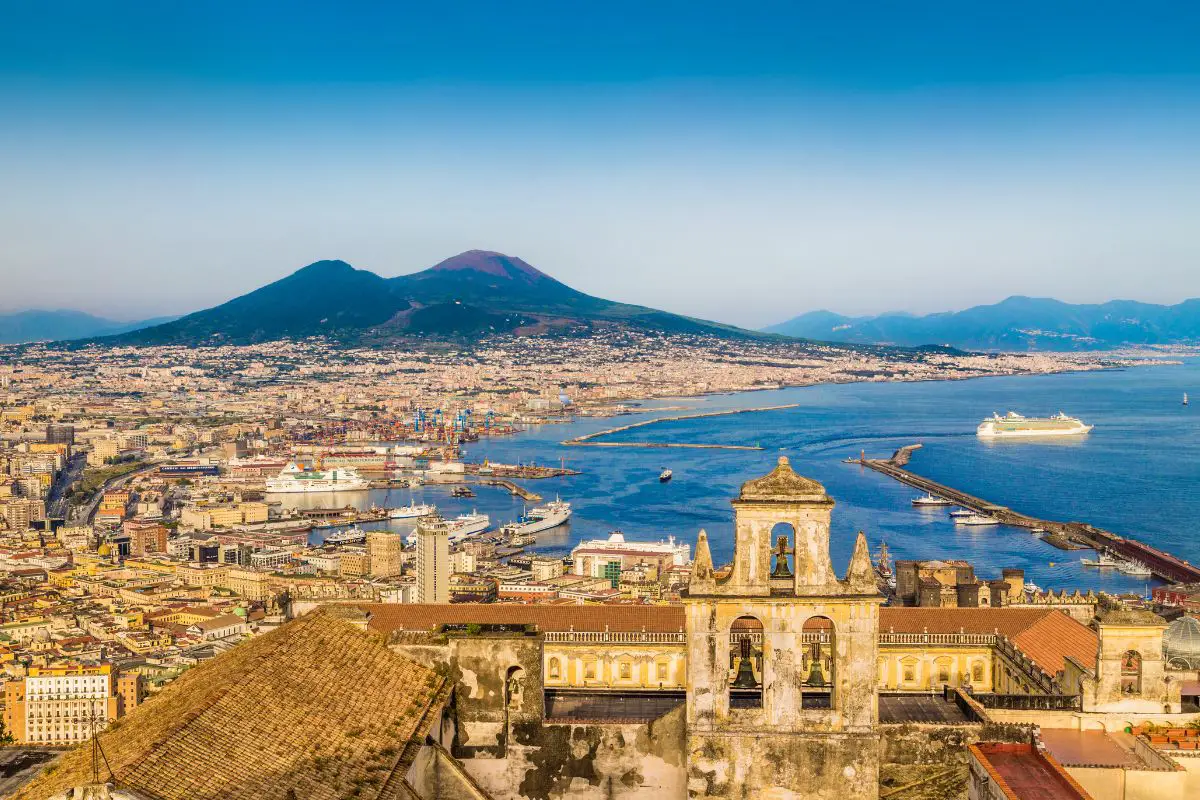
The clean energy collectors are designed to imitate the appearance of Roman terracotta roof tiles.
When a massive eruption of Mount Vesuvius in 79 CE sent ash, smoke and lava over the Roman city of Pompeii, its devastation also managed to preserve it, and new invisible solar panels are now being installed to help power it without intruding on the authentic appearance.The new photovoltaic cells were designed to provide green energy while blending into the background.
The invisible solar panels are a part of the archaeological site’s efforts to cut costs and be more sustainable. They were designed to blend into the background with a look similar to the traditional materials used in Ancient Pompeii. The first sets have been installed on the House of Cerere, as well as on a thermopolium (a Roman snack bar), and on the House of the Vettii. That last location had only recently been reopened after two decades of restoration work.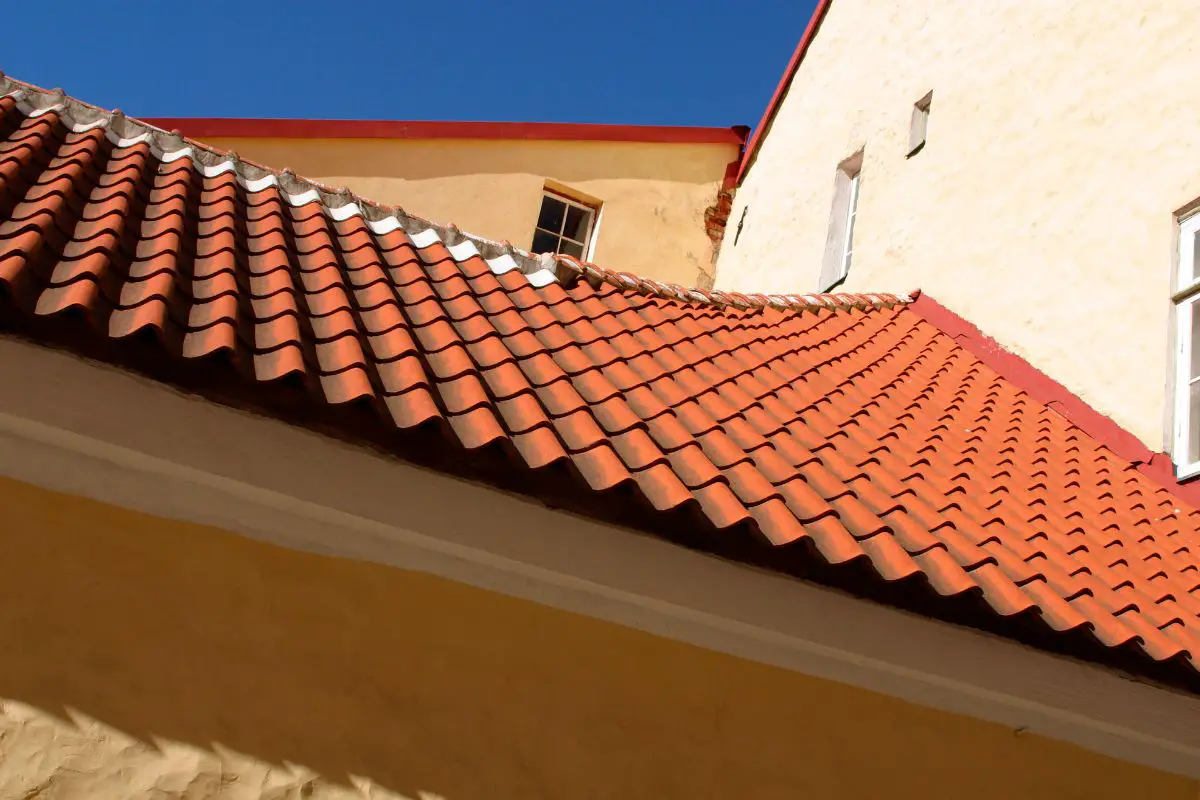 “They look exactly like the terracotta tiles used by the Romans, but they produce the electricity that we need to light the frescoes,” said the Pompeii archaeological park director Gabriel Zuchtriegel.
The invisible solar panels will help to cleanly reduce the expensive energy bills of the ancient site.
Every year, Pompeii plays host to about 3.5 million tourists who visit to explore the ancient Roman city’s ruins. That said, the sheer size of the site requires a substantial amount of energy and, therefore, expensive energy bills when using conventional methods of providing power.[aweber listid="6179904" formid="497551345" formtype="webform"] “Pompeii is an ancient city which in some spots is fully preserved,” explained Zuchtriegel. “Since we needed an extensive lighting system, we could either keep consuming energy, leaving poles and cables around and disfiguring the landscape, or choose to respect it and save millions of euros.” He added that by using the new invisible green energy technology, it will help to keep the archaeological site powered while slashing energy bills and making it more enjoyable overall. The invisible solar panels were developed by Dyaqua, a company based in Italy. They provide energy just like traditional photovoltaic (PV) tiles, but can be designed to look like wood, stone, concrete or brick. They can also ben hidden on rooftops, in floors and on walls, said Elisabetta Quagliato, a member of the family that owns Dyaqua.How was this article?
Thanks for the feedback!