Hydrogen news
Solar energy growth could threaten biological diversity in California
Solar power expansion may help and hurt the environment at the same time. California’s solar energy sector continues to expand due to the push to lower greenhouse gas emissions and fight climate change and because of the low cost of solar panels. However, a recent study has revealed that some scientists are becoming more concerned that placing new large-scale solar plants in the Mojave Desert could actually harm the ecosystem that naturally exists there. Solar panels built in underdeveloped natural areas can crowd out wildlife and devastate their habitat. According to a news report from Clima…
Solar power expansion may help and hurt the environment at the same time.
California’s solar energy sector continues to expand due to the push to lower greenhouse gas emissions and fight climate change and because of the low cost of solar panels. However, a recent study has revealed that some scientists are becoming more concerned that placing new large-scale solar plants in the Mojave Desert could actually harm the ecosystem that naturally exists there.Solar panels built in underdeveloped natural areas can crowd out wildlife and devastate their habitat.
According to a news report from Climate Central, a study by the Carnegie Institution for Science and Stanford University, which was published Monday in the scientific journal PNAS, revealed that solar energy developers in the Golden State have been using sites for new solar power installations that are mostly underdeveloped desert lands. The problem is that these desert lands are home to wildlife with sensitive habitats. Rebecca Hernandez, the lead study author, a postdoctoral fellow at University of California, Berkley, and a former ecologist at Carnegie Institution, said that from an ecological standpoint, solar development would be better suited to pre-developed areas that have minimal wildlife habitat.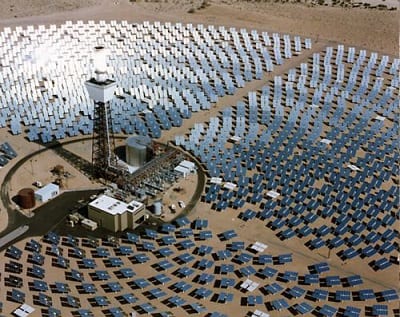 Hernandez commented that she was astonished to discover that almost a third of solar development is taking place on former crop land. “We were surprised to find that solar energy development is a potential driver of the loss of California’s natural ecosystems and reductions in the integrity of our state and national park system,” she said.
Solar energy development in the US could grow to cover a land space the size of South Carolina.
The study revealed that if the United States were to implement more ambitious climate targets, the ecological footprint of solar energy development could expand to cover over 27,500 square miles, which is approximately the size of the state of South Carolina. While this is good news for reducing greenhouse gas emissions, the bad news is that if thousands of solar panels are installed in undeveloped natural environments, the panels could crowd out the wildlife that call these areas home and annihilate their habitat. In other words, ecosystems would be destroyed. According to the study, of the 161 planned or operating utility-scale solar energy developments in California, over half have been built or will be built on natural shrub and scrublands, which is roughly 145 square miles of land. Although expanding renewable energy developments in the United Sates is important, as it will help to lower the country’s carbon footprint, among other benefits, finding a solution to the conflict between developing renewables and protecting ecosystems could become vital if the U.S. intends to rely more on solar energy.How was this article?
Thanks for the feedback!