Hydrogen news
Quality sensor system may improve contaminant monitoring at hydrogen refueling stations
Contamination can easily damage a fuel cell and this new tech may help safeguard hydrogen quality. Refueling stations face a serious challenge in ensuring their hydrogen quality remains high as contaminants can damage the fuel cell. A new sensor by a Saarland University research team led by Professor Andreas Schütze was developed to provide continuous hydrogen fuel quality monitoring. The sensor uses an infrared measuring cell and can be installed within the hydrogen filling station. The new hydrogen refueling stations sensors were designed to operate under challenging conditions. Moreover, t…
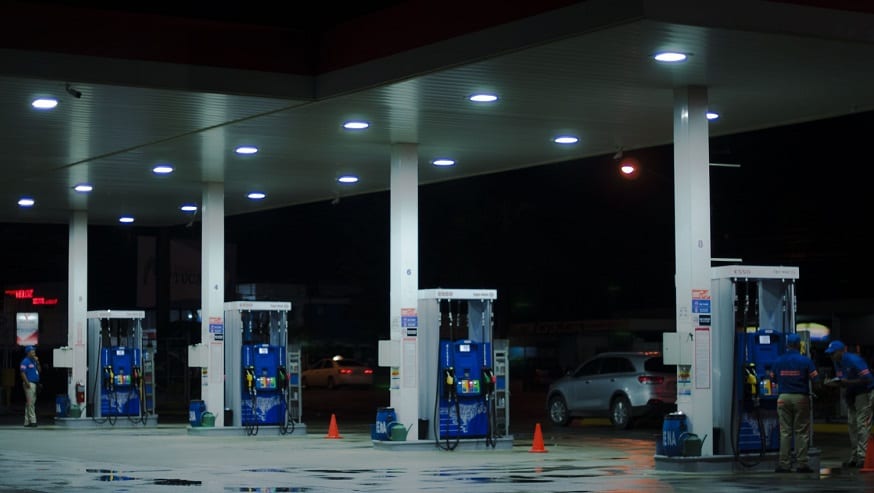
Contamination can easily damage a fuel cell and this new tech may help safeguard hydrogen quality.
Refueling stations face a serious challenge in ensuring their hydrogen quality remains high as contaminants can damage the fuel cell. A new sensor by a Saarland University research team led by Professor Andreas Schütze was developed to provide continuous hydrogen fuel quality monitoring.The sensor uses an infrared measuring cell and can be installed within the hydrogen filling station.
The new hydrogen refueling stations sensors were designed to operate under challenging conditions. Moreover, the hope is that the new sensor will also provide reliable function. This, despite challenges such as short refueling times and extremely high pressures. Starting this fall, the new sensor system will begin its operational trials to confirm its capabilities. The research team that developed the hydrogen fuel contamination pressure monitoring sensor will feature their high-pressure test rig on April 1 at the Hannover Messe at the Saarland Research and Innovation Stand.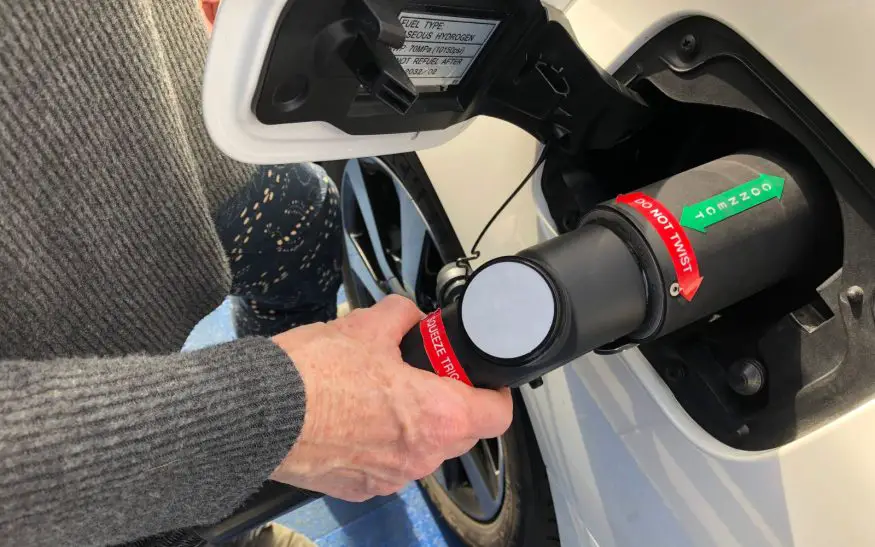
This sensor has the potential to extend the life of fuel cells by boosting quality hydrogen from refueling stations.
Low-quality and low-purity hydrogen fuel typically isn’t good for fuel cell vehicles just as low-quality and low-purity petroleum fuels aren’t good for combustion engine powered vehicles. Impurities include ammonia, hydrocarbons and sulfur-containing compounds. Any and all those contaminants can reduce the quality of hydrogen during the production process, as it is transported to the refueling station, or while the driver is refilling. “Contaminants can actually poison the fuel cell,” said Professor Schütze, sensor expert, in a phys.org report. When refueling stations add contaminated hydrogen to a fuel cell, that fuel cell produces less electricity. As such, there is a reduction in power output and the vehicle will not be able to travel as far as it would on purer, higher-quality hydrogen fuel. If the hydrogen is very contaminated it could irreversibly damage the fuel cell and make the vehicle unable to run. Schütze and his team are hopeful that the new sensor will safeguard refueling stations and hydrogen fuel cell vehicle drivers from having to suffer that risk by consistently ensuring high purity and quality.How was this article?
Thanks for the feedback!