Hydrogen news
Japanese researchers use new catalyst to sustainably produce hydrogen fuel from ammonia
This new technique used a highly efficient calcium imide (CaNH)-supported NI catalyst. Researchers from the Tokyo Institute of Technology (Tokyo Tech) have developed a highly efficient catalyst in the form of calcium imide (CaNH)-supported NI catalyst that could produce hydrogen fuel and nitrogen out of ammonia. Ammonia (NH3) is a carbon-free molecule that can be split to produce H2 without CO2 emissions. While splitting ammonia to produce hydrogen fuel is considered to be a promising option, it traditionally requires very high temperatures to achieve. However, with the new catalyst used by t…
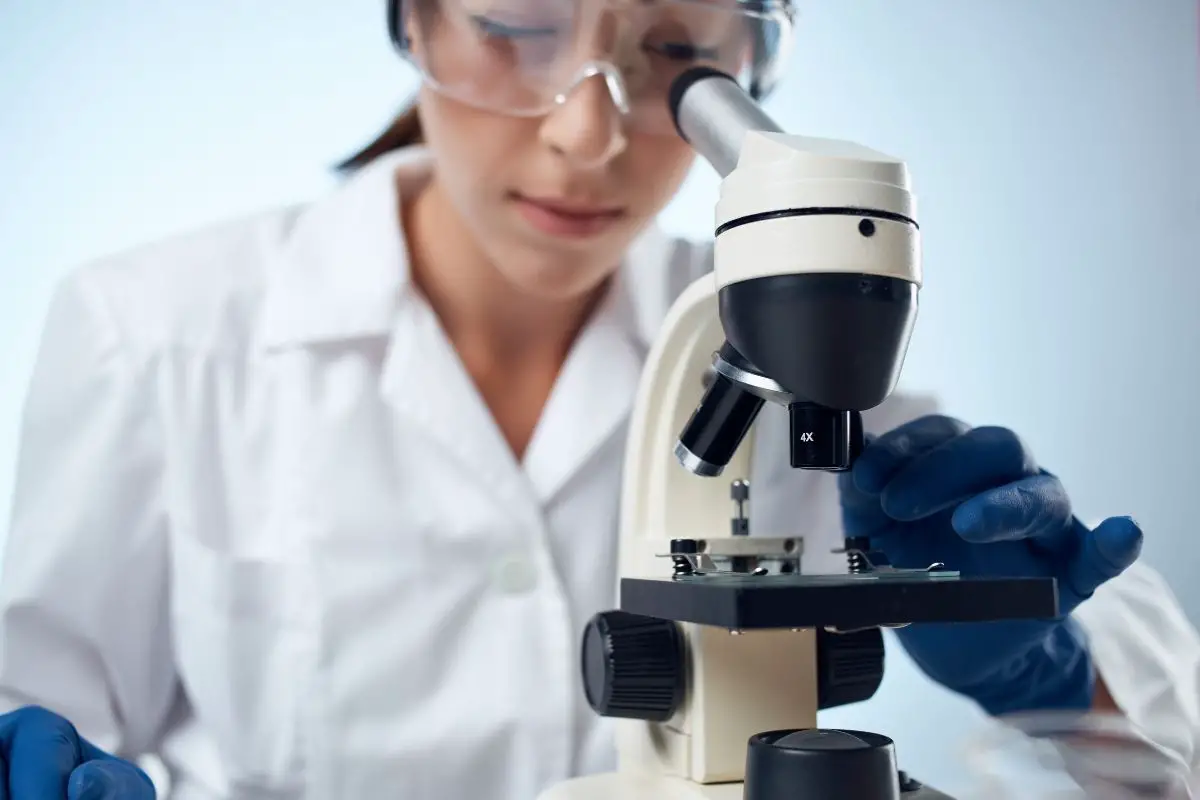
This new technique used a highly efficient calcium imide (CaNH)-supported NI catalyst.
Researchers from the Tokyo Institute of Technology (Tokyo Tech) have developed a highly efficient catalyst in the form of calcium imide (CaNH)-supported NI catalyst that could produce hydrogen fuel and nitrogen out of ammonia.Ammonia (NH3) is a carbon-free molecule that can be split to produce H2 without CO2 emissions.
While splitting ammonia to produce hydrogen fuel is considered to be a promising option, it traditionally requires very high temperatures to achieve. However, with the new catalyst used by the scientists from Tokyo Tech, the ammonia can be decomposed at temperatures about 100ºC lower than what would be needed when using a conventional Ni catalyst. As a result, the method using the new catalyst could bring researchers an important step closer to sustainable H2 production. The reason this is important is that while H2 use itself is carbon emission free, creating that fuel in the first place is usually done with fossil fuels that emit greenhouse gasses. As a result, what seems like a clean fuel still ends up polluting when considering the entire process. While there are forms of green hydrogen which are produced using renewable energy such as solar and wind, those come with a considerably higher price tag than the greenhouse gas emitting alternatives.
New ways to affordably produce hydrogen fuel without carbon emissions has become an important goal.
Recent studies have already been examining the potential of Nickel (Ni) as an ammonia splitting catalyst. When an Ni catalyst is used, ammonia is adsorbed onto the surface. From there, the hydrogen and nitrogen bonds in the ammonia are broken, releasing each as their own gasses. That said, the key to making this a viable form of producing H2 is in finding a way to use such a catalyst without requiring the very high operating temperatures associated with the process. The Japanese researchers published the results of their study in the ACS Catalysis journal. The team was led by Associate Professor Masaaki Kitano. “Our aim was to develop a highly active catalyst that would be energy efficient. Our addition of the metal imide to the catalyst system not only improved its catalytic activity but also helped us unravel the elusive working mechanism of such systems,” he said in a statement about the new catalyst use to produce hydrogen fuel. “As the whole world is working together to build a sustainable future, our research is aimed at resolving the hiccups faced on our way to a cleaner hydrogen fuel economy.”How was this article?
Thanks for the feedback!