Woodside’s $140M Hydrogen Exit Signals Strategic Shift Amid US Policy Reversal
Woodside Energy has shelved its $US140M green hydrogen project in Oklahoma, citing regulatory uncertainty under the Trump administration. The move reflects broader concerns about US policy reliability for clean energy investment.
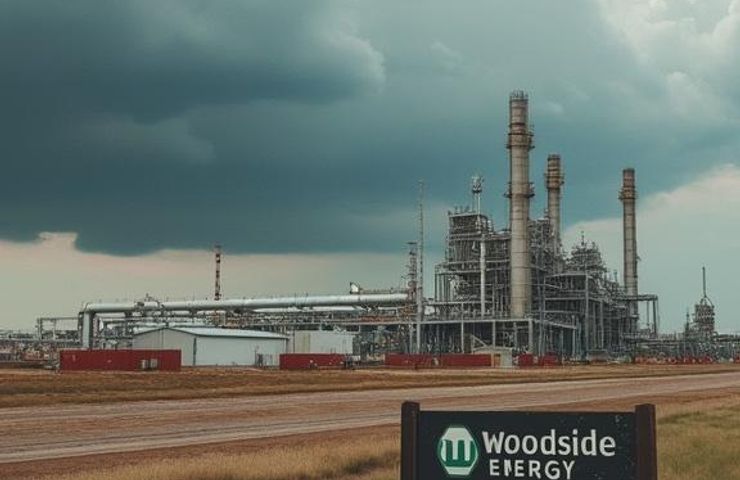
Woodside Energy has pulled the plug on its proposed green hydrogen production project in Ardmore, Oklahoma—a major strategic pivot that comes with a hefty price tag: a $US140 million (AUD $213.5 million) write-down. The move signals a shift in direction as the company adapts to an evolving, and now uncertain, U.S. energy policy landscape.
What Happened — And Why Now?
On July 22, 2025, the Australia-based energy giant—well-known for its natural gas operations—officially announced it’s shelving plans for the H2OK hydrogen project. This decision comes after a fresh look at its investment priorities and a hard reality check on the current regulatory landscape in the U.S., where federal support for clean energy appears to be slipping away under the Trump administration’s rollback of climate agreements and green subsidies.
- Big Financial Hit: The cancellation immediately took a toll on Woodside’s H1 2025 results, slashing $US140 million off the bottom line.
- Shifting Policy Tides: The company pointed to growing uncertainty surrounding the Inflation Reduction Act and fears of a U.S. withdrawal from the Paris Agreement as major red flags for the future of green hydrogen production.
- Local Fallout: The town of Ardmore—population 25,000—is left reeling. Officials had banked on the project to drive economic diversification, having already invested in supporting infrastructure and anticipated high-quality jobs in the hydrogen sector.
Why This Pullback Is a Big Deal
This isn’t just a company making a tough call—it’s a signal flare. Global energy players like Woodside are watching policy cues closely. When support wavers, so does investment. The deeper concern here? Whether the U.S. can maintain long-term credibility with international investors in sustainable energy ventures.
For Ardmore, the potential to become a regional hub for green hydrogen production just hit a major roadblock. With rents averaging just $700/month and a local economy still tied to traditional energy, the promise of transformation now feels further out of reach.
Follow the Money — From Hydrogen to LNG and Ammonia
Woodside isn’t walking away from the U.S.—just changing lanes. The company is now doubling down on two major opportunities: a $17.5 billion LNG project in Louisiana and expanded clean ammonia operations in Texas. According to CEO Meg O’Neill, these moves align with the company’s long-term strategy and tighter capital discipline. “We still believe in hydrogen’s future,” she told analysts, “but getting the timing and policy support right is make-or-break.”
Meanwhile back home in Australia, Woodside is forging ahead with its Hydrogen Refueller project, which remains on track for a 2026 rollout. It’s a reminder that national policy environments can shape the direction—and the speed—of the clean energy shift.
Another Blow — Decommissioning Costs Mount
Hydrogen wasn’t the only headache in Woodside’s books. The company’s 2025 outlook also took a hit from rising decommissioning expenses, now projected to reach up to $US500 million. That’s the price tag for dismantling aging oil and gas facilities, particularly in long-developed fields like Australia’s Bass Strait.
The takeaway? As the energy transition marches on, companies are facing the dual challenge of investing in the future while paying to clean up the past. And those environmental costs are no longer being quietly swept under the rug—they’re showing up loud and clear on balance sheets.
Chilly Forecast for U.S. Hydrogen
It’s not just Woodside feeling the chill. The entire hydrogen sector in the U.S. is under pressure. With much of the industry’s viability hinging on government incentives, the shift toward deregulation and fossil fuels is casting serious doubts. The Inflation Reduction Act had initially promised up to $3/kg tax credits for green hydrogen. Now, that support looks shaky at best—and many companies are quietly reassessing investments, especially in states like Oklahoma and Texas.
A Snapshot of the Energy Transition
Woodside’s recalibration illustrates what many energy firms are going through right now: trying to navigate a world in flux. Between huge upfront costs, legacy operational burdens, and policy unpredictability, transitioning to sustainable energy is anything but straightforward.
The company’s current balancing act—diverting investment away from hydrogen in favor of LNG and clean ammonia while dealing with offshore decommissioning—is becoming a common blueprint in the sector. It’s a reminder that no matter how promising technologies like electrolysis may be, without the policy support to back them, even the biggest names in energy may hit pause.
What’s Next?
Woodside’s exit from Oklahoma might not be the end of green hydrogen's story—but it’s a loud warning. Commitments in clean energy can unravel quickly if the political winds change. With $140 million already lost, the message is clear: in this space, confidence is just as vital as cash.
Keep your eyes on what Woodside does next, especially in LNG and clean ammonia. Their strategy could be the blueprint for how traditional energy heavyweights adapt—survive, even—in a rapidly evolving global energy market.