Hydrogen news
UCF Research Transform Methane into Potentially Low-Cost Green Hydrogen
The team developed novel methods for energy production using methane as a primary ingredient. A team of two researchers from the University of Central Florida (UCF), nanotechnologist Laurene Tetard and catalysis specialist Richard Blair, have pioneered innovative techniques for energy generation. Their groundbreaking work has led to the production of green hydrogen from methane (CH4), a notorious greenhouse gas. This marks a decade-long research collaboration between Tetard and Blair at UCF, resulting in these significant breakthroughs. The method uses one of the most impactful greenhouse ga…
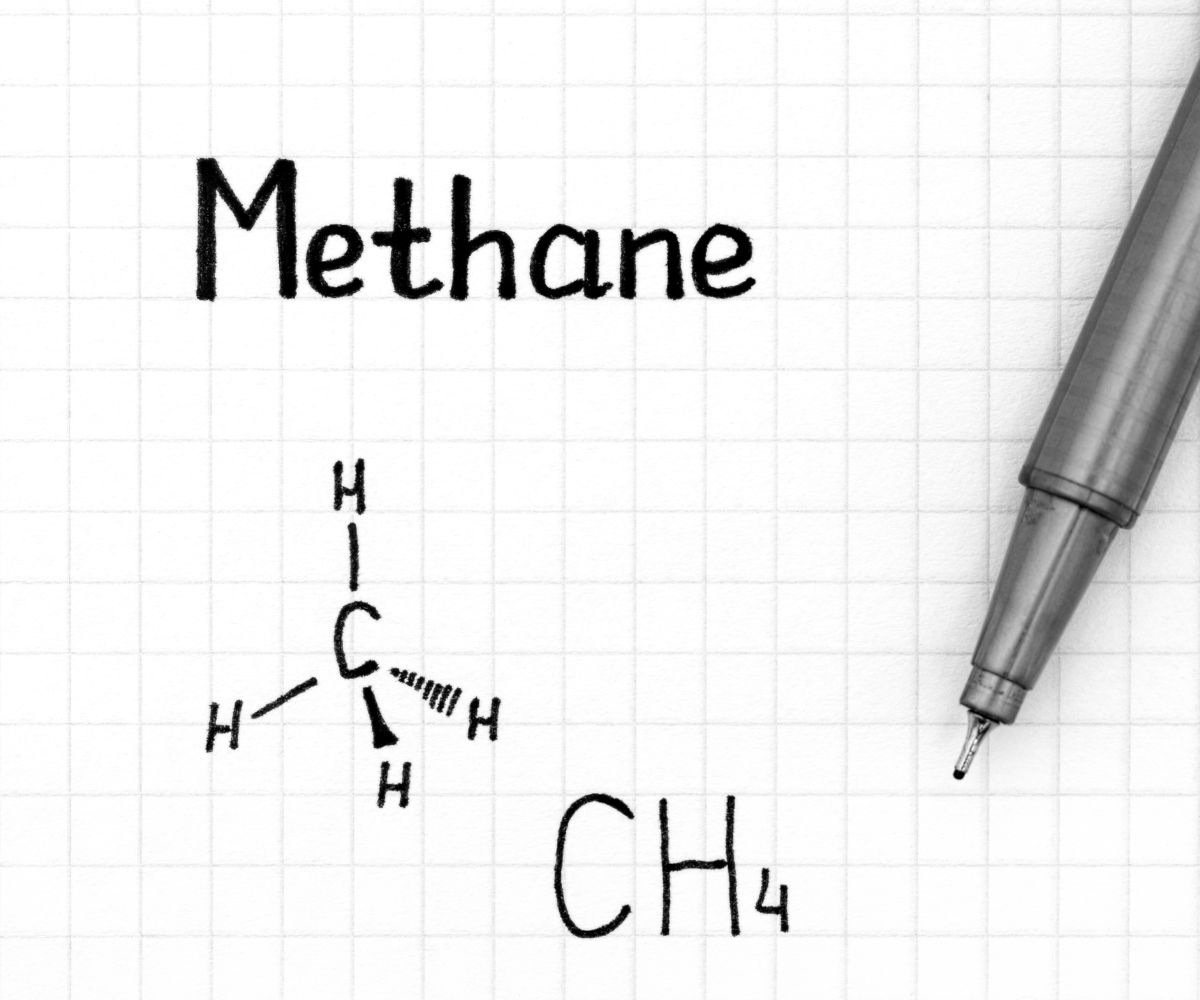
The team developed novel methods for energy production using methane as a primary ingredient.
A team of two researchers from the University of Central Florida (UCF), nanotechnologist Laurene Tetard and catalysis specialist Richard Blair, have pioneered innovative techniques for energy generation. Their groundbreaking work has led to the production of green hydrogen from methane (CH4), a notorious greenhouse gas. This marks a decade-long research collaboration between Tetard and Blair at UCF, resulting in these significant breakthroughs.The method uses one of the most impactful greenhouse gases to produce a clean form of energy.
Though carbon dioxide gets a lot of flack for its impact on global warming (as it should!), the same amount of methane in the air is 28 times more damaging than carbon dioxide, when measured over a 100-year period, according to data from the U.S. Environmental Protection Agency. The reason there is such a substantial focus on carbon dioxide is that while its immediate impact isn’t as great as that of methane, pound for pound, its impact lasts ten times longer. Still, that doesn’t mean it’s the only greenhouse gas that should be avoided or dealt with. Methane’s immediate impact is substantially larger, with a far larger radiation trapping efficiency. Major methane emission sources include industry, landfills and agriculture. That said, these are all areas that could one day be considered major producers of a material used for the production of green hydrogen, a clean ingredient for electricity generation.
The researchers managed to produce green hydrogen using hydrocarbons and without releasing greenhouse gas.
The key to the new method of clean H2 production was to use visible light, such as from the sun, a lamp, or a laser, combined with defect-engineered boron-rich photocatalysts. In this way, they managed to use visible light-assisted hydrocarbon (like methane) capture and conversion. Defect engineering has to do with the creation of irregularly structured materials. The H2 produced using this method is free of contaminants such as carbon dioxide, carbon monoxide, or other higher polyaromatic compounds. Those substances are commonly produced in reactions conducted on conventional catalysts and at higher temperatures.A cleaner, less expensive energy future.
The groundbreaking work by the UCF researchers promises to transform the landscape of green hydrogen production by drastically cutting costs and boosting efficiency. The innovation lies in the reduction of expensive catalysts traditionally required for energy creation, thus making the process more economically viable. Moreover, this development enables a higher rate of photocatalytic conversion within the visible light spectrum, allowing for the maximization of solar energy usage for catalysis and further diminishing operational expenses. What sets this method apart is its dual-advantage approach; not only does it produce green hydrogen, but it also converts methane, a powerful greenhouse gas, into valuable products - hydrogen and carbon. These byproducts can be used in a variety of applications, including batteries, contributing to a circular economy. This process eliminates the production of carbon dioxide, a common byproduct of traditional hydrogen production methods, positioning it as both an environmentally friendly and economically sound solution. Given these advantages, this breakthrough could potentially lay the groundwork for large-scale hydrogen production in solar farms and the efficient capture and conversion of methane, ultimately lowering the cost of green hydrogen production and paving the way for a sustainable energy future.How was this article?
Thanks for the feedback!