Hydrogen news
Solar panel that splits water boosts hydrogen fuel production efficiency
New technology developed by University of Michigan researchers is 10x more efficient than previous tech. University of Michigan researchers have developed a new solar panel they say is 10 times more efficient at splitting water into its hydrogen and oxygen components than previous artificial photosynthesis strategies. The process uses a catalyst made from nanowires of indium gallium nitride formed on a silicon surface. The indium gallium nitride nanowires are grown onto a silicon surface to make the catalyst. In this way, it provides the considerable advantage of being able to tolerate notabl…
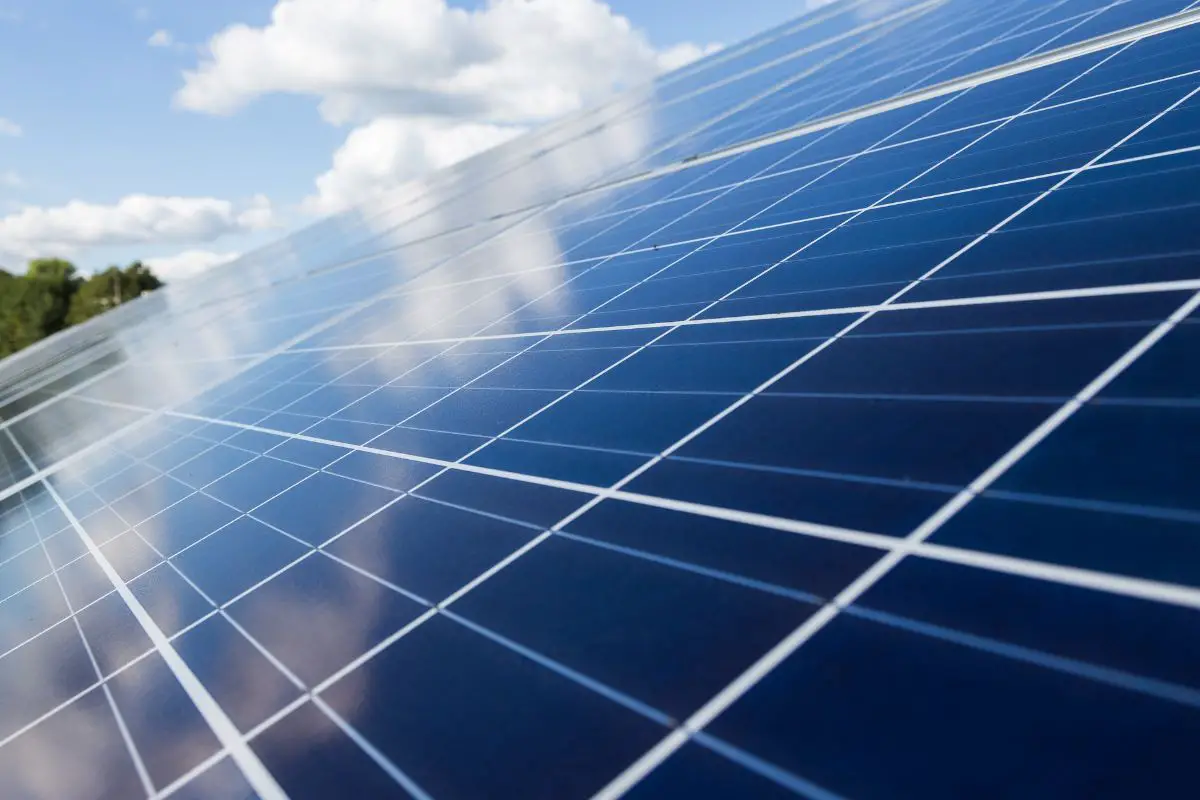
New technology developed by University of Michigan researchers is 10x more efficient than previous tech.
University of Michigan researchers have developed a new solar panel they say is 10 times more efficient at splitting water into its hydrogen and oxygen components than previous artificial photosynthesis strategies.The process uses a catalyst made from nanowires of indium gallium nitride formed on a silicon surface.
The indium gallium nitride nanowires are grown onto a silicon surface to make the catalyst. In this way, it provides the considerable advantage of being able to tolerate notably higher temperatures than previously developed systems. By being able to use higher temperatures, the solar panel’s process of splitting the hydrogen and oxygen from the water molecules occurs much faster, substantially boosting efficiency. Equally, it also inhibits the recombination of the H and O. According to the researchers, the new design has achieved a 9 percent efficiency level for the conversion of water into its hydrogen and oxygen components. This type of artificial photosynthesis is considered to be one of the strategies for sustainable hydrogen that is most promising as a viable clean energy supply.
The design uses a large lens to focus light directly at the solar panel with an underwater semiconductor chip.
The research team used a lens about the size of a typical residential window. With it, they direct focused light onto a small panel that contains a semiconductor chip which is underwater.[aweber listid="6179904" formid="497551345" formtype="webform"] “We reduced the size of the semiconductor by more than 100 times compared to some semiconductors only working at low light intensity,” explained University of Michigan electrical and computer engineering research fellow Peng Zhou, the study’s lead author. By using a layer of insulation, the panel maintains a steady 75 Celsius degrees, which is a good temperature for efficient water splitting and for long-term use of the design’s semiconductor. When the researchers tested the solar panel outside, where sunlight is less reliable and temperatures are variable, the hydrogen fuel production efficiency dropped to 6.1 percent. That said, within an indoor controlled indoor environment, it was a steady 9 percent efficient. The team is working on further efficiency improvements to produce high purity H2 that can be fed directly into fuel cells.How was this article?
Thanks for the feedback!