Hydrogen news
Perovskites are an even better solar cell material than previously believed
This alternative to silicon was already seen as promising, but researchers now see even more benefits. Until now, silicon has been the standard solar cell semiconducting material, but perovskites have been increasingly drawing the spotlight. Now, researchers have discovered that there are even greater benefits to this alternative choice than previously known. Silicon is abundant and naturally occurring, but it is also costly to mine and purify for its applications. Silicon is a material used as a standard for solar cell, semiconductor chips, central processing units (CPUs) for computers, dete…
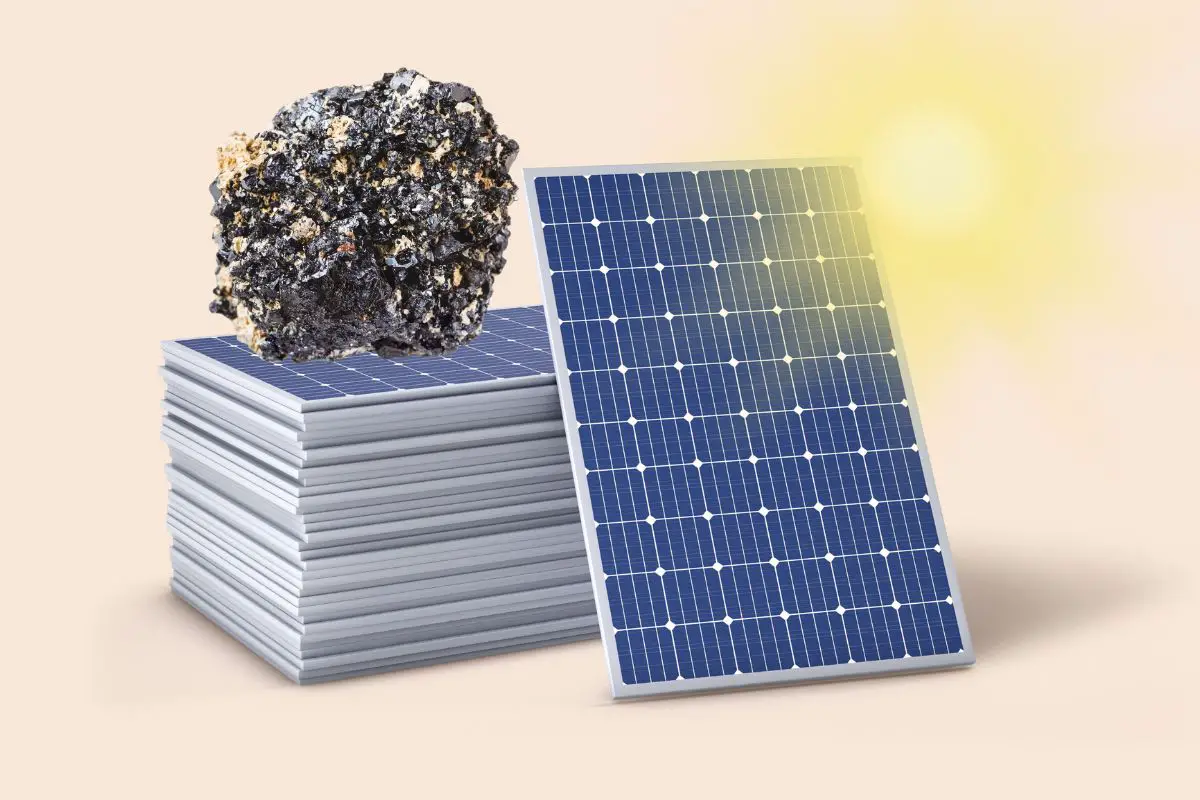
This alternative to silicon was already seen as promising, but researchers now see even more benefits.
Until now, silicon has been the standard solar cell semiconducting material, but perovskites have been increasingly drawing the spotlight. Now, researchers have discovered that there are even greater benefits to this alternative choice than previously known.Silicon is abundant and naturally occurring, but it is also costly to mine and purify for its applications.
Silicon is a material used as a standard for solar cell, semiconductor chips, central processing units (CPUs) for computers, detectors and other applications. Its natural abundance makes it highly appealing for this purpose, but the cost of mining and purifying it is certainly a drawback. Perovskites have been drawing the eye of researchers around the world and the list of benefits of choosing them as an alternative is becoming increasingly long.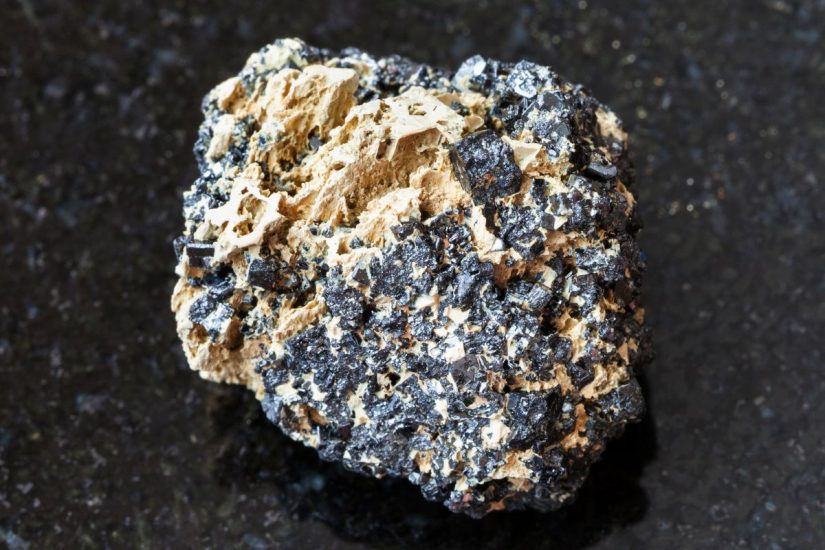 Perovskites are a type of materials that received their name due to their crystalline structure. They have been proving themselves as highly promising in recent years, particularly as they are considerably less expensive than silicon and are just as efficient as an alternative in the same applications.
A new study led by an optics professor from the University of Rochester, Chunlei Guo, now indicates that perovskites could become substantially more efficient than silicon. The study findings were published in the Nature Photonics journal.[aweber listid="6179904" formid="497551345" formtype="webform"]
Perovskites are a type of materials that received their name due to their crystalline structure. They have been proving themselves as highly promising in recent years, particularly as they are considerably less expensive than silicon and are just as efficient as an alternative in the same applications.
A new study led by an optics professor from the University of Rochester, Chunlei Guo, now indicates that perovskites could become substantially more efficient than silicon. The study findings were published in the Nature Photonics journal.[aweber listid="6179904" formid="497551345" formtype="webform"]
The researchers took a physics-based approach to examining the potential for solar cell and other applications.
Usually, researchers synthesize perovskites in a wet lab. From there, they use what they have produced to apply it as a film onto a glass substrate. They can then explore the different applications for what they have created. In Guo’s research, he has proposed a new approach based on physics. Instead of using glass, a layer of metal or alternating layers of metal and dielectric material were used. The research team discovered that they were able to achieve an improvement in perovskite’s light conversion efficiency by 250 percent. This would be a particularly meaningful development for the improvement of the solar cell. “No one else has come to this observation in perovskites” said Guo. “All of a sudden, we can put a metal platform under a perovskite, utterly changing the interaction of the electrons within the perovskite. Thus, we use a physical method to engineer that interaction.”How was this article?
Thanks for the feedback!