Hydrogen production ramps up in Italy as ErreDue wins €5.6M PEM electrolyser contracts
ErreDue has booked €5.6M in PEM electrolyser orders in Italy, including a 2.5 MW system and a 1 MW plant with 1.3 MW solar integration at JMG Cranes, producing 99.999% purity hydrogen. This deal underscores Italy’s push for green hydrogen and industrial decarbonization.
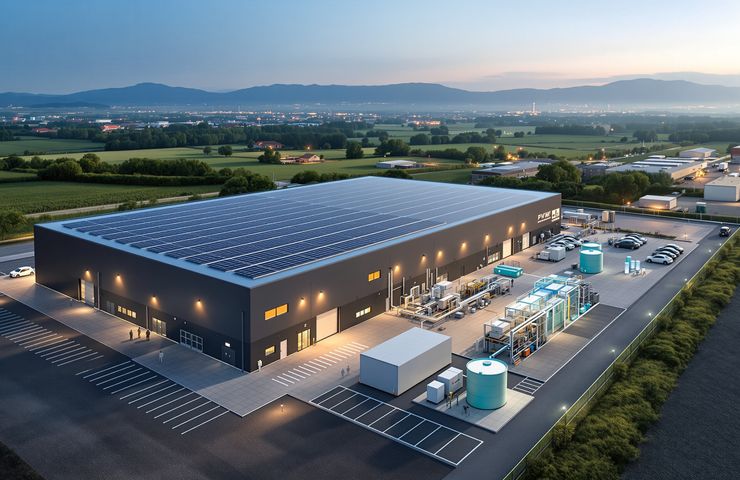
Expanding Italy’s green hydrogen footprint
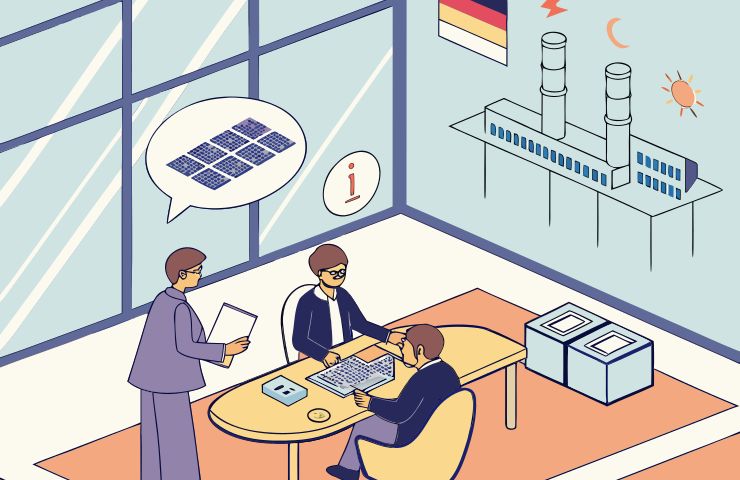
Italy's charging ahead with its hydrogen infrastructure, and the latest spark comes from ErreDue. This local PEM electrolyser maker just snagged two hefty orders worth €5.6 million in total. The big one? A 2.5 MW unit carrying a €4 million price tag, set to roll out in early 2026. Meanwhile, industrial gear specialist JMG Cranes jumped on board with a 1 MW hydrogen plant—tied to a 1.3 MW solar array—for €1.6 million.
These aren’t just numbers on a balance sheet—they’re a real vote of confidence in proton exchange membrane electrolysers for heavy-duty use. Both setups will churn out hydrogen at a lofty 99.999% purity. The 2.5 MW system can push past 250 Nm³/h, and the JMG plant is geared to pump out roughly 160 tonnes of top-notch hydrogen every year. By tapping solar power right on site, JMG’s installation is a textbook example of green hydrogen in action, aligning with Italy’s National Hydrogen Strategy and the EU Green Deal’s carbon-neutrality goals.
Plus, with a population approaching 59 million and a robust industrial sector, Italy has the muscle to back mid-scale energy ventures. Local authorities are already mapping out “hydrogen valleys”—tight-knit hubs of production, storage and refueling that could form the backbone of the country’s hydrogen infrastructure. Folks have started tossing around the catchy label “Italian Hydrogen Valley,” even if the official lines are still being drawn.
Strategic implications for industrial decarbonization
Making the switch to on-site solar-powered electrolysers is more than just a green flex—it’s a savvy business move. With the EU’s Emissions Trading System squeezing carbon allowances tighter by the day, and big corporations shouting their sustainability creds from the rooftops, firms are feeling the heat to trim their carbon footprints.
All that extra clean energy means lower electricity bills and less CO₂ on the balance sheet. And while “blue” hydrogen—cracked from natural gas with carbon capture—used to tip the scales, sliding solar panel prices and mass-produced components are narrowing the gap. It’s only a matter of time before green hydrogen goes toe-to-toe on costs.
ErreDue’s recent order book is like a crystal ball for the European hydrogen production market. Remember when most projects were just lab-scale demos? Now we’re talking multi-megawatt plants primed for real-world industrial action. That uptick is sending ripples across the supply chain—from membrane makers to site contractors—all gearing up to ride this wave.
Italy's role in the European hydrogen landscape
Stretching from the Alps down to the Mediterranean, Italy is eyeing a spot as the go-to southern hub in Europe’s hydrogen story. It’s got the geography to link northern markets with North African energy routes. Throw in the European Commission’s 2030 target of 10 million tonnes of green hydrogen, and Italy’s National Hydrogen Strategy, and you’ve got the perfect storm for a hydrogen boom.
Hydrogen “valleys” are sprouting up near ports, industrial parks and energy-hungry sectors like steel and chemicals. Places like the Po Valley, Emilia-Romagna and Sicily are already rolling out trials—from ammonia cracking to cavern storage. If all goes to plan, Italy could be exporting hydrogen and its derivatives across Europe in no time.
Looking ahead
All eyes are on next year’s delivery and commissioning. If ErreDue nails the install, expect knock-on investments for capacity boosts and spin-off projects. Meanwhile, regulators in Rome and Brussels will have to sort out grid connection rules, storage perks and transport tariffs to keep the ball rolling.
On the finance side, we’ll probably see more public–private mashups, green bonds and deals tied to renewable power purchase agreements. That’s the recipe for cheaper capital and, in turn, driving down hydrogen costs even more. It’s a virtuous cycle waiting to happen.
Downstream, as fuel cell trucks and industrial burners certified for ultra-pure hydrogen start hitting the road, consumption patterns will mature. That broader market could support all kinds of add-ons—blending, storage arbitrage, even power-to-gas schemes. Bottom line? The next chapter in Italy’s clean energy story—whether it’s hydrogen infrastructure or industrial decarbonization—rests on good tech, smart money and bulletproof regulations.