Hydrogen News: Corsican Petition Calls for Industrial Green Hydrogen Projects
Acquasole’s petition urges Corsica to enshrine large-scale green hydrogen in its post-2028 energy plan.
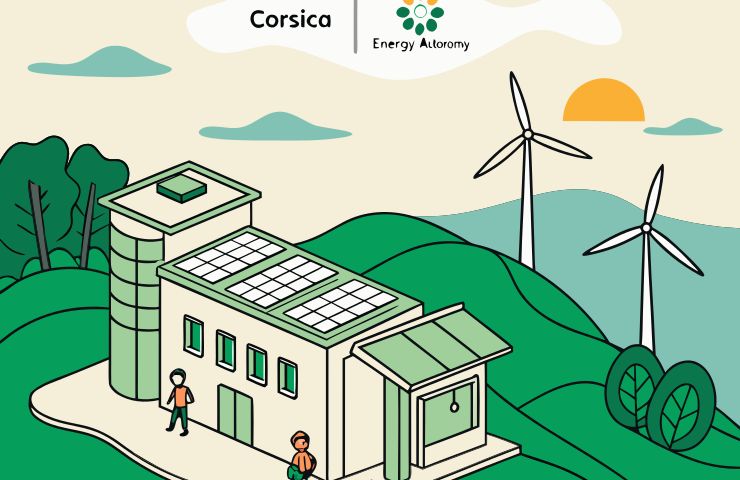
In the stunning hills of Balagne, a new wave of energy activism is gaining momentum. A local Corsican group, Acquasole, has kicked off an exciting online petition, calling on policymakers to weave industrial-scale green hydrogen projects into the island’s upcoming energy agenda, known as the PPE post-2028. Reported by HydrogenToday, the petition underscores the potential of hydrogen as a game-changer, helping boost energy independence, cut down on fossil fuel imports, and balance out the fluctuations in renewable energy on this non-interconnected zone.
This initiative couldn’t come at a better time, with growing worries about rising electricity prices, global supply chain hiccups, and the logistical hassle of shipping fuels to a Mediterranean island. Corsica has long relied on imported petroleum and its connection to the Italian grid, making it vulnerable to external issues. Although past versions of the PPE have introduced ambitious targets for solar, hydro, bioliquids, electric mobility, and hydrogen, many hydrogen plans have remained just that—plans, with little action to show for it.
Can hydrogen pave the way for Corsica’s energy independence?
The petition from Acquasole makes a compelling case for green hydrogen’s versatility. It’s not just about powering cars; think of it as seasonal storage for excess solar energy, a zero-emission fuel for heavy trucks and buses, clean shore power for ferries, and even backup generation for vital facilities. The official PPE documents dream of producing between 4,000 and 8,000 kilograms of green hydrogen daily, enough to power about 700 heavy vehicles or around 20 coastal shuttles. But, the reality is that we’re far from seeing such substantial projects come to life on the island. The petition is calling on the Assemblée de Corse and national authorities to turn these goals into solid commitments and actionable project pipelines.
A grassroots push for green hydrogen
Founded in late 2025 in Occhiatana, Acquasole is harnessing local grassroots energy by rallying citizens, professionals, and influential figures—including artists and small business owners. Just weeks after launching its petition on Change.org, they had already garnered nearly 500 signatures. That’s a clear sign there’s widespread interest in making green hydrogen a reality on the island! The group is pushing for certain projects to be included, like new electrolyzer hubs next to solar or wind sites, storage caverns or high-pressure containers, and at least seven public hydrogen refueling stations strategically scattered along major transport routes and at key ports. Notable supporters include singer Toni Casalonga and local representatives from the Chamber of Commerce.
Petitioners emphasize that if the upcoming PPE doesn’t explicitly mention hydrogen and provide dedicated funding, it could remain just a “dream” instead of becoming a real driver for local jobs, economic growth, and tech innovations. They’re asking for a clear framework on offtake agreements, guidance on cost-competitiveness, and regulatory support such as feed-in premiums for hydrogen-powered energy and exemptions from network charges in non-interconnected zones.
Corsica’s hydrogen journey so far
Corsica’s foray into hydrogen started about a decade ago. As the first non-interconnected territory to launch a dedicated PPE, the island established early hydrogen goals alongside its solar and wind initiatives. The MYRTE platform in Ajaccio paired a solar array with a proton exchange membrane electrolyzer and fuel cell, showcasing seasonal energy storage and grid services. Experimental projects like the hydrogen-powered boat L’ALBA and the FOLELL’HY initiative explored maritime transport and stationary energy for coastal areas.
Institutional players have gradually built the framework for hydrogen development. The regional Agence d’Urbanisme et d’Énergie de la Corse (AUE) laid out a strategic roadmap projecting nearly €4.5 billion in energy transition investments between 2020 and 2028, anticipating thousands of jobs tied to renewables and hydrogen. National bodies like DREAL Corse, the Ministry for Ecological Transition, and environmental watchdog IGEDD have stepped in to review and adjust targets, ensuring environmental impact studies and compensation schemes for grid unavailability.
How green hydrogen works
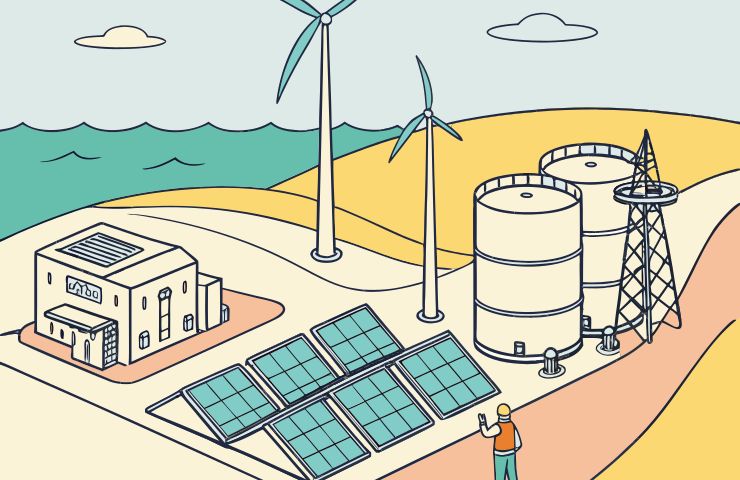
So, how does green hydrogen actually come to life? It all boils down to electrolysis: an electrical current splits water (H2O) into hydrogen and oxygen. There are two main electrolyzer technologies you should know about: alkaline systems, which use a liquid electrolyte, and the more advanced PEM (proton exchange membrane) systems, which are compact and quick to respond to renewable energy fluctuations. After that, hydrogen gas is compressed—typically to 350 or 700 bar—and stored in high-pressure containers or underground caverns.
When it’s needed, hydrogen can power fuel cells, which are devices that convert hydrogen and oxygen back into electricity and heat, or even combustion turbines adapted to work with hydrogen. The best part? The only byproduct is water vapor, making hydrogen fuel cell technology a zero-emission solution for heavy-duty transportation, data centers needing backup power, and industrial processes that aren’t easily electrified.
Building the hydrogen ecosystem
Scaling up hydrogen production and infrastructure requires thoughtful planning and coordination. Here are some key things to consider:
Acquasole believes that bringing these elements into the next PPE iteration would provide much-needed clarity and confidence to investors, ease the permitting process, and develop local expertise—from building electrolyzers to maintaining stations and integrating fuel cells.
Benefits for the island
A thriving hydrogen sector could offer a slew of benefits:
Charting the path forward
As Corsica gears up to revise its PPE after 2028, all eyes are on whether policymakers will translate community pressure into tangible commitments. The Assemblée de Corse, with support from DREAL and national ministries, will need to weigh hydrogen alongside bioliquids, grid upgrades, and demand-side measures in crafting a balanced energy strategy. A crucial factor will be securing adequate water supply for electrolysis, particularly in an island with limited freshwater resources, along with engaging the community in discussions about land use and pipeline safety. Local universities and research centers are ready to step up, monitoring pilot projects, collecting performance data, and preparing the next generation of technicians. The upcoming revision of the PPE will be a defining moment—will Corsica embrace its chance to lead in hydrogen technology, or will it lag behind mainland initiatives? If Acquasole’s petition catches on, we could finally see Corsica's long-nurtured hydrogen ambitions turn into real projects—ushering in a new era of clean hydrogen production, storage, and distribution that secures the island’s autonomy and protects its natural beauty.