Hydrogen news
Lithuania to join the few to ever build a hydrogen fuel ship
The country’s shipping industry is about to join a very exclusive club The shipping industry in Lithuania is stepping up to the opportunity to become one of the very few in the world to build a hydrogen fuel ship that can operate carbon emission-free. This technology is viewed as highly promising for decarbonizing shipping Still, as promising as it is, there have been only a small number of players that have taken on this tech by building a hydrogen fuel ship for inclusion in a fleet. Lithuania’s first H2-powered vessel’s construction has already started. It is being built by Western Baltija…
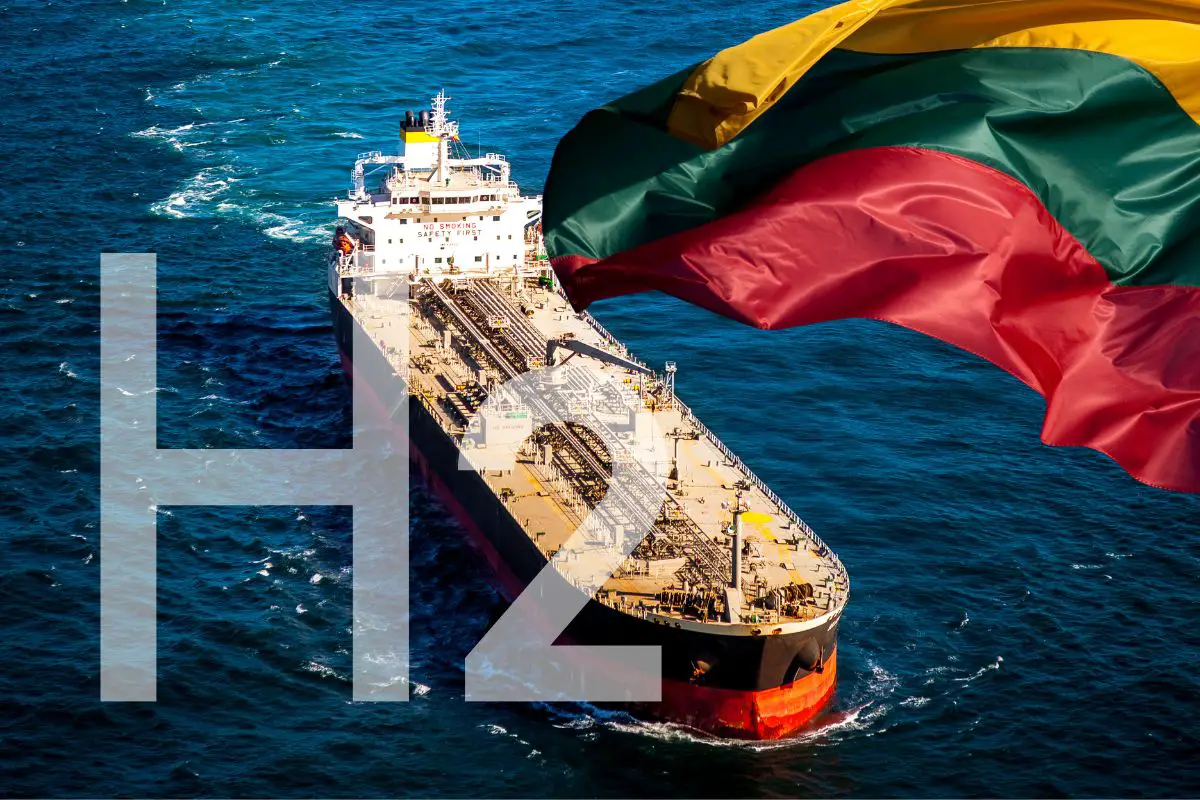
The country’s shipping industry is about to join a very exclusive club
The shipping industry in Lithuania is stepping up to the opportunity to become one of the very few in the world to build a hydrogen fuel ship that can operate carbon emission-free.This technology is viewed as highly promising for decarbonizing shipping
Still, as promising as it is, there have been only a small number of players that have taken on this tech by building a hydrogen fuel ship for inclusion in a fleet. Lithuania’s first H2-powered vessel’s construction has already started. It is being built by Western Baltija Shipbuilding (WBS). The beginning of the construction was honored with a keel laying ceremony. The ship was commissioned by the Klaipeda State Seaport Authority and is intended for use within the harbor. It will be used for waste management purposes.The hydrogen fuel ship will serve as a test and a step forward in decarbonization
“I am glad that this modern vessel, which meets the highest environmental protection requirements, is being built in Klaipeda,” said Marius Skuodis, the Minister of Transport and Communications for Lithuania. “This is extremely relevant and significant not only for Lithuania but also on a global scale.” The keel laying ceremony for the start of the shipbuilding was a highly symbolic one to launch the construction process. It represents the completion of the first critical block of the vessel. The occasion was marked with a steel plate that was attached to the block. That plate featured three coins as a part of its decoration.
An emission-free tanker
When the waste management tanker hydrogen fuel ship is completed, it will be 42 meters (138 feet) long, with a width of 10 meters (33 feet). This will offer a 400 cubic meter (1,312 cubic foot) capacity for the collection and transportation of liquid waste. The vessel will have two separate electric motors, each of which will be powered by 2,000 kWh batteries to support an onboard hydrogen fuel cell system. The work intensity will dictate the amount of distance and time between the vessel’s needs for refueling. On average, those behind the project predict that the hydrogen fuel ship will be able to keep up Port of Klaipeda operations for as long as 36 hours on a full H2 tank.How was this article?
Thanks for the feedback!