EU’s Low-Carbon Hydrogen Definition: Industry Warms Up for a Regulatory Tug-of-War
The EU’s upcoming definition for low-carbon hydrogen could reshape Europe’s clean energy landscape. Industry groups urge balance, warning the wrong formula could either stifle investments or water down climate impact.
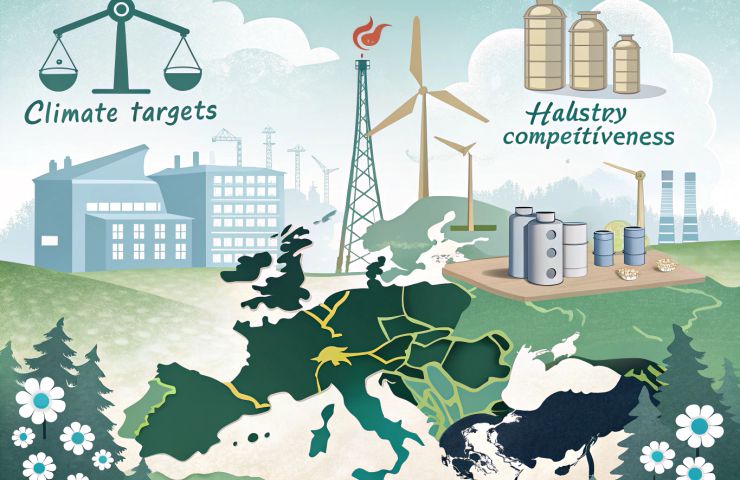
Hydrogen production in Europe is about to hit a major crossroads — and everyone’s paying attention.
The European Commission is getting ready to drop the final version of a crucial Delegated Act that will define exactly what counts as low-carbon hydrogen under the EU’s clean energy rules. Sounds technical? It is — but it’s also a big deal. Industry leaders aren’t exactly throwing confetti. Instead, they’re raising serious concerns that this definition could either mess with investment plans or, worse, undermine the EU’s climate goals.
Why It Matters — And Why It’s Getting Tense
This isn’t just bureaucratic fine print. The definition will decide which hydrogen production projects get access to government incentives, subsidies, and regulatory advantages. If a project doesn’t make the cut — even if it’s using cutting-edge tech — it could be shut out of Europe’s clean energy push.
Right now, Europe’s working with a rough framework introduced through the Hydrogen and Decarbonised Gas Market Package. Basically, if your hydrogen comes from non-renewable sources but cuts emissions by at least 70% (compared to fossil-based hydrogen), you might qualify as low-carbon hydrogen. That includes projects using carbon capture and storage (CCS) or even nuclear-powered electrolysis.
But the real kicker? The EU hasn’t nailed down how to count lifecycle emissions or what exactly qualifies under those criteria. That’s what this Delegated Act will lock in — and it’s due out by August 2025. There’s already a public consultation underway, and once the definition’s finalized, the European Parliament and Council will have two months to either give it a thumbs-up or block it. No edits allowed.
Industry Worries: Striking the Right Balance
The EU Industry Coalition — made up of energy providers, big manufacturers, and major hydrogen players — is walking a tightrope. Their main concern? If the EU draws the line too strictly, companies could hit pause on investments just when Europe needs them to hit the gas on hydrogen infrastructure. It’s hard to plan a billion-euro clean ammonia or steel plant when you don’t even know if your hydrogen will count as “clean.”
But the flip side is just as problematic. If the rules are too soft, and hydrogen with mediocre emissions still gets all the perks, then what's the point? Billions could be spent without actually moving the climate needle. And once trust in the system starts to crack, good luck getting it back.
So, this isn’t about being for or against hydrogen — it’s about crafting a system that’s fair, clear, and actually doable. Because at the end of the day, this is about finding the sweet spot between doing what’s good for the planet and what’s realistic for business.
How We Got Here
This debate didn’t show up out of nowhere. It goes back to the EU Hydrogen Strategy launched in 2020, which put hydrogen front and center in Europe’s vision for industrial decarbonization. That evolved into the Hydrogen and Decarbonised Gas Market Package unveiled in December 2021. Since then, there’s been broad support for using a 70% emissions reduction as the benchmark for low-carbon hydrogen — but the devil’s still in the details.
And those details matter. Make the rules too lenient, and you risk greenwashing fossil fuels. Go too strict, and companies might shift operations to places like North America or Asia, where the rules or subsidies may be more hydrogen-friendly.
What’s at Stake: More Than Just Definitions
This isn’t just a numbers game for regulators. The final decision will affect which projects get funded, where new production facilities are built, and whether heavy industries — from chemicals to steel — can actually cut emissions using hydrogen at scale.
If the EU opts for a looser definition, expect to see more blue hydrogen (made from natural gas plus CCS) and nuclear-powered hydrogen in the mix. A tighter definition would push the continent further into relying on green hydrogen, produced entirely from renewables like wind or solar — which is great for the planet, but not always practical in industrial heartlands running on legacy fossil infrastructure.
Zoom out, and there’s even more riding on this. How Europe defines low-carbon hydrogen could sway international hydrogen standards. Other countries are watching. If the bar’s too low, global climate ambitions could get watered down. But if the EU sets it too high, adoption could stall and allow less ambitious regions to take the economic lead in clean tech.
The Road Ahead: Consultation, Politics, and a Lot of Lobbying
So what’s next? Right now, the public consultation is open, and everyone from energy giants to climate advocates is making their case. The Delegated Act will likely land in August 2025, and then heads to a two-month review period in Parliament and Council. No changes can be made — it’s an up-or-down decision.
Until then, expect some heavy-duty lobbying. Behind the curtain and in full view, both sides will be working hard to shape what they believe is a realistic and credible vision for hydrogen production in the EU.
At the core of it all is one big question: What kind of hydrogen economy does Europe actually want to back?
Why This Act Could Reshape Europe’s Energy Future
If hydrogen is one of the pillars holding up Europe’s clean energy future, then this Delegated Act is the blueprint for how to build it. It’s going to steer infrastructure projects, decide who gets financial support, and even influence whether banks and investors see hydrogen ventures as good bets under ESG standards.
Think of it as Europe’s clean hydrogen litmus test. Does it lean toward real-world challenges or ideal-world values? However it lands, its ripple effects will be felt for years — shaping not just the trajectory of green hydrogen and industrial decarbonization, but the very fabric of Europe’s push toward a sustainable, climate-aligned future.