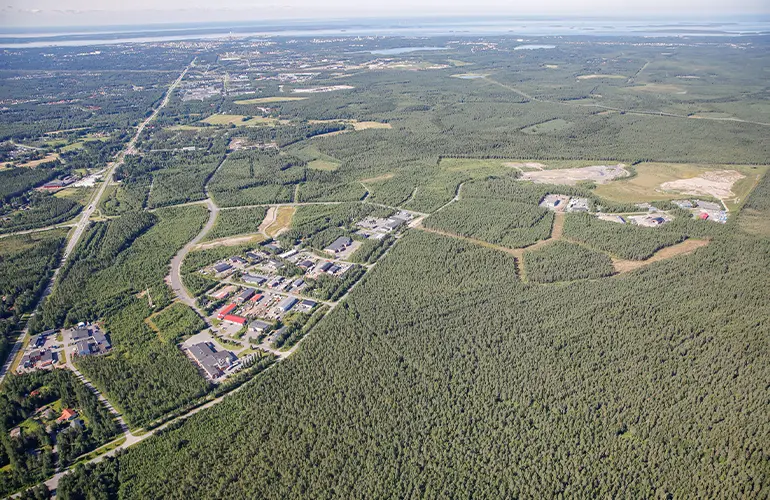
DayOne Launches Singapore’s First Hydrogen-Powered Data Center Using Fuel Cell Technology
DayOne breaks ground on Singapore’s first hydrogen-powered data center, integrating SOFC tech and cutting-edge cooling to tackle digital and climate demands head-on.
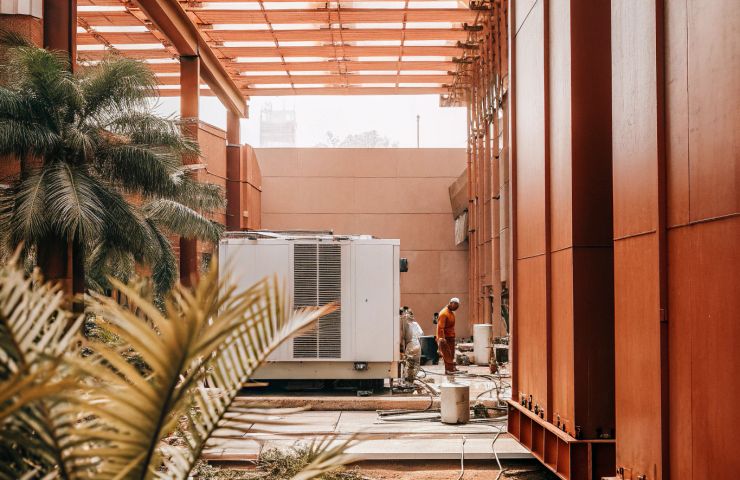
DayOne Data Centers has officially broken ground on Singapore’s first-ever hydrogen-powered, fuel cell-based commercial data center—setting the stage for a big leap in sustainable energy and digital infrastructure across Southeast Asia.
Where Smart Location Meets Big Vision
Smack in the heart of Jurong East at 21 Jalan Buroh—one of Singapore’s powerhouse industrial zones—this 20MW data center is slated to go live in 2026. But this isn’t your standard data build. It’s a bold, tech-driven experiment, blending solid oxide fuel cell (SOFC) tech with hybrid liquid-air cooling, all fine-tuned to thrive in Singapore’s hot and humid climate. We’re talking maximum efficiency, minimal environmental impact, and serious uptime.
This project carries weight. After a lengthy freeze on new data infrastructure, Singapore is finally opening the gates through the Data Center Call for Application (DC-CFA) initiative—and it’s not open to just anyone. Only four players made the cut, and DayOne is at the top of the class, thanks to its clean energy playbook and sharp regional strategy.
Hydrogen Fuel Cells in the Spotlight
At the core of this next-gen facility is a SOFC-powered onsite energy system, designed to run on hydrogen. It’s a smart move to reduce reliance on traditional gas-fired electricity, especially as the site tests long-term resilience and grid integration. To take it a step further, DayOne locked in a 10-year Power Purchase Agreement (PPA) with Sembcorp Power to supply the site with renewable energy.
“Singapore needs more compute power—but without blowing out the grid or the climate,” a DayOne project spokesperson shared. “This data center is our proving ground for marrying high-performance computing with zero-emission operations.”
Innovation Meets Research: NUS Steps In
One thing that really sets this venture apart? It's not just industry and government behind it—academia plays a big role too. DayOne has teamed up with the National University of Singapore (NUS) through the Sustainable Tropical Data Centre Testbed 2.0. They're working together to crack the code on efficient data center cooling in tropical environments—where heat and humidity are no joke.
Why This Project Matters
- Setting the bar: This project isn’t just about Singapore. It’s meant to be a blueprint for other hydrogen-powered and sustainable energy data centers across Southeast Asia, with plans already brewing for expansions in Johor and Batam.
- Lightening the load: By tapping hydrogen and renewables, this facility eases pressure on Singapore’s limited fossil-fueled grid—an ongoing challenge in dense urban zones.
- Geared for the AI boom: Built to handle high-density AI and cloud computing, this center promises ultra-efficient, low-latency infrastructure that’s also climate-conscious.
Momentum and Market Strategy
DayOne has a strong pedigree—it was spun out of GDS International, a major player in China’s digital infrastructure world, earlier in 2024. Armed with proven expertise, deep funding, and the green light from Singapore’s regulators, DayOne is moving fast in a region where navigating the regulatory landscape can be tricky. Bonus: the 21 Jalan Buroh site was originally snapped up by GDS from CapitaLand, making it a linchpin in DayOne’s regional strategy.
Looking Ahead
This isn’t just another data center—it’s a full-on pilot for running hardcore compute operations using hydrogen fuel cells and cutting-edge cooling systems, especially in tropical climates. If DayOne nails it in Singapore, it's a fair bet we’ll see this model popping up in places like Manila, Bangkok, and Jakarta sooner rather than later.
For anyone tracking the evolution of data infrastructure—be it tech leaders, investors, or regulators—this one is worth watching. What happens here could shape the next wave of industrial decarbonization and digital growth throughout tropical Asia.