Hydrogen news
Japanese collaboration to produce clean hydrogen from plastic waste
Toyota, Iwatani and JGC have agreed to work together to use the garbage as a new source of H2. Toyota, Iwatani and JGC have announced that they will be collaborating on a new source of clean hydrogen as Japan continues to push forward toward an H2 economy. The three major Japanese corporations will use household and industrial plastic waste for H2 production. Automaker Toyota, industrial gas giant Iwatani and JGC Holdings engineer are collaborating to produce clean hydrogen by using household and industrial plastic. They intend to begin production by 2025, according to a Nikkei report. Waste…
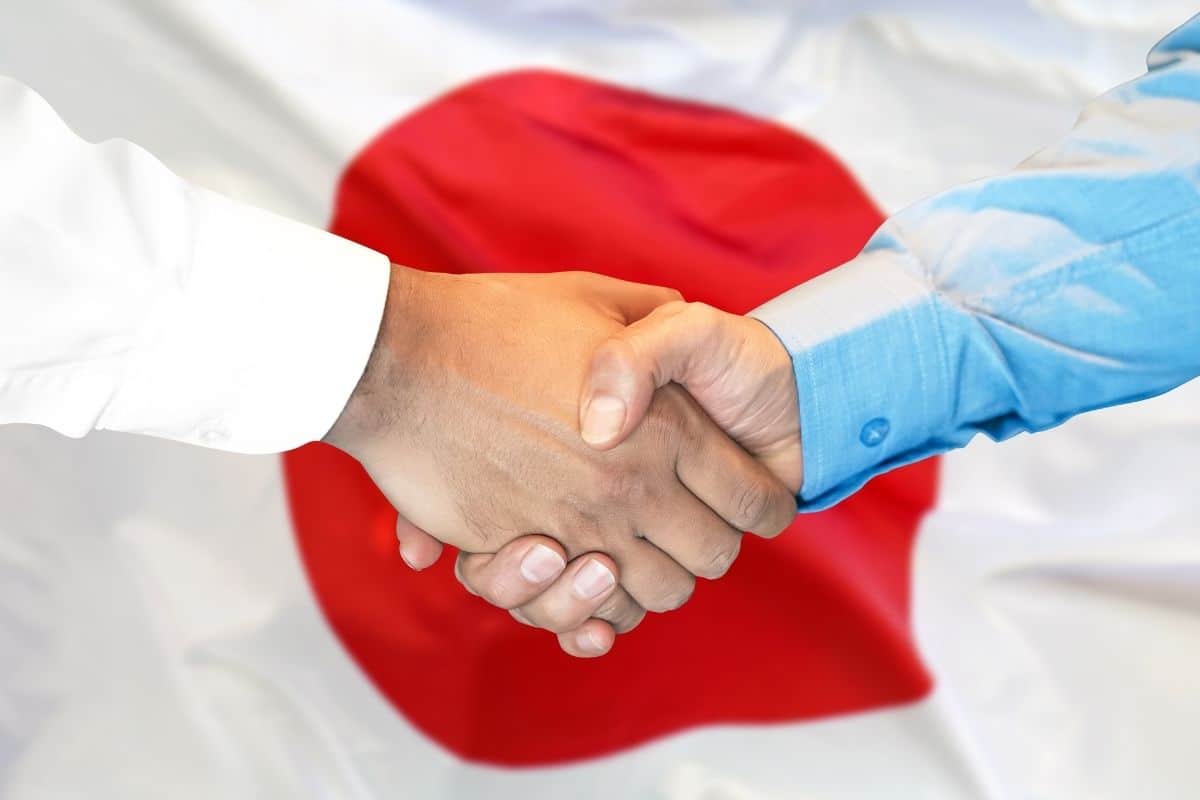
Toyota, Iwatani and JGC have agreed to work together to use the garbage as a new source of H2.
Toyota, Iwatani and JGC have announced that they will be collaborating on a new source of clean hydrogen as Japan continues to push forward toward an H2 economy.The three major Japanese corporations will use household and industrial plastic waste for H2 production.
Automaker Toyota, industrial gas giant Iwatani and JGC Holdings engineer are collaborating to produce clean hydrogen by using household and industrial plastic. They intend to begin production by 2025, according to a Nikkei report. Waste-to-energy H2 production is a relatively new sector but is a rapidly growing one. Start-ups worldwide have been focusing on this type of strategy, particularly in regions where resources are limited. California’s SGH2 and Ways2H are among the most well recognized start-ups in this sector at the moment. That said, with major corporations diving into this area in Japan, it is certainly notable hydrogen fuel news. Should these companies be successful, it could prove to be highly beneficial to Japan’s decarbonization efforts. As the country’s land and fossil fuel resources are slim at best, an H2 economy holds considerable promise, even as it would be required to import the majority of the fuel.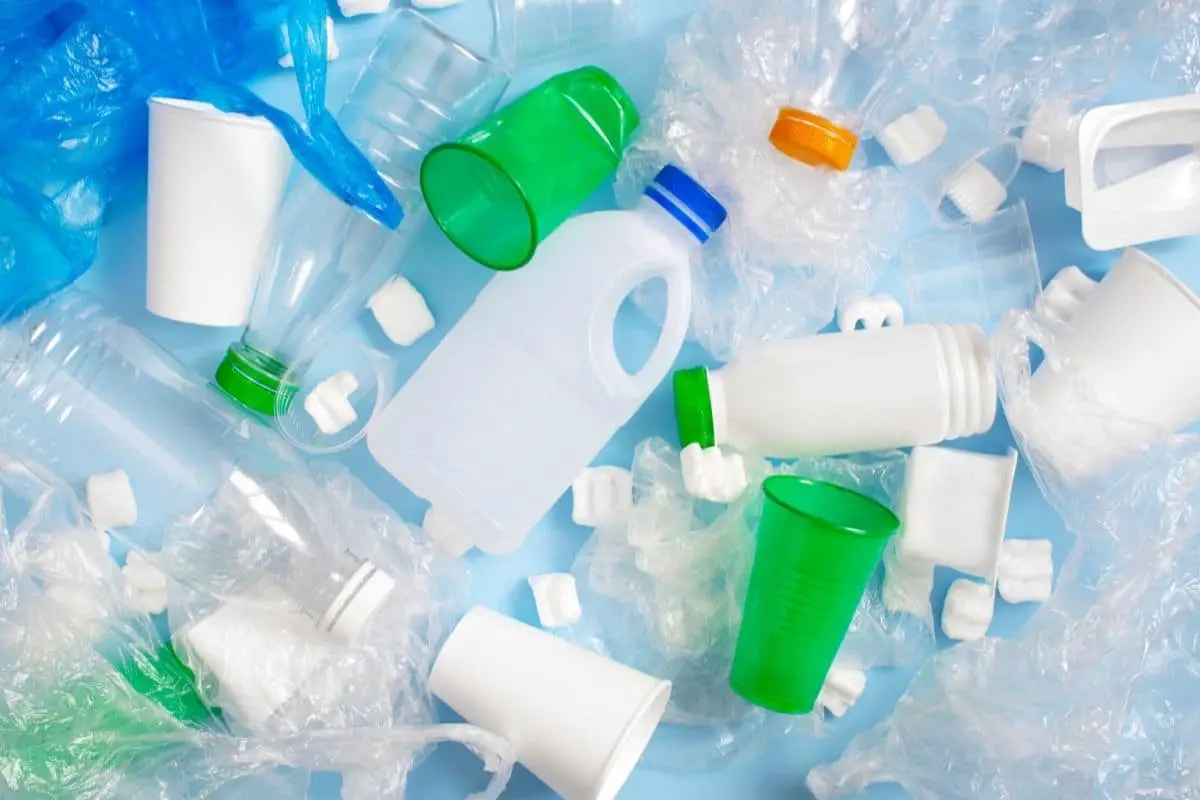
According to Ways2H, clean hydrogen production using waste is cheaper than using renewables.
As Japan’s land resources for installing solar or wind farms are limited this could mean that using plastic waste – something it has in abundance – could help to correct two major challenges. In fact, Japan has been struggling to deal with its massive plastic waste problem. Every year, it produces 9.4 million tons of it. Each Japanese citizen produced an average of 37 kilograms of single-use plastic waste in 2019. Almost none of the country’s plastic waste is recycled domestically. Currently, 67 percent of it is incinerated and 12 percent of it is exported. Those practices contribute 13 million tons of CO2 equivalent into the atmosphere every year. Another 8 percent of that waste goes straight into landfills. The Japanese corporations would make clean hydrogen by using that collected plastic waste, pulverize it, then low-temperature and high-temperature burn it in gasification furnaces for synthetic gas (syngas) production containing carbon monoxide and hydrogen. From there, water vapor would be added to boost the H2 concentration, which would then be removed with an adsorber.How was this article?
Thanks for the feedback!