California pursues cap-and-trade legislation for the sake of alternative energy
There was little love lost over the demise of the legislation from the nation’s fuel and utility companies who balked at the notion that the government would seek to put a limit on carbon emissions. Though much of the federal backing of such legislation has diminished, the movement is alive and well in the state of California. Now, the state is looking to fill the legislative vacuum left after the cap-and-trade legislation fell apart.
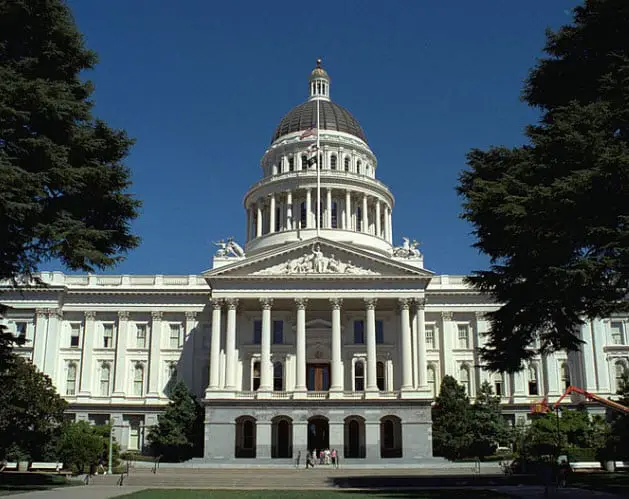
Last year saw the end of the federal cap-and-trade legislation.
There was little love lost over the demise of the legislation from the nation’s fuel and utility companies who balked at the notion that the government would seek to put a limit on carbon emissions. Though much of the federal backing of such legislation has diminished, the movement is alive and well in the state of California. Now, the state is looking to fill the legislative vacuum left after the cap-and-trade legislation fell apart.
State lawmakers are drafting new regulations that would impose strict carbon emission limitations on several companies operating within California’s borders. These legislations have been years in the making, but now stand at the threshold of being committed to law. The Regional Greenhouse Gas Initiative (RGGI) stands at the forefront of the cap-and-trade battle and, if passed into law, will be the most comprehensive reform the nation has ever seen in terms of carbon emissions.