Hydrogen news
Will motionless wind energy turbines solve the problems of traditional designs?
The technology is touted as the solution to the noise and wildlife disrupting issues from wind farms The UK and Europe are looking into a new form of motionless wind energy turbines that could be installed on rooftops without leading to the same problems associated with more conventional turbine models, such as excessive noise and wildlife disruption. The first model has been installed in the UK on an Oxford rooftop This new technology has been described as highly promising for wind energy, as it has the potential to make it more appropriate for a much larger spectrum of locations. Conventio…
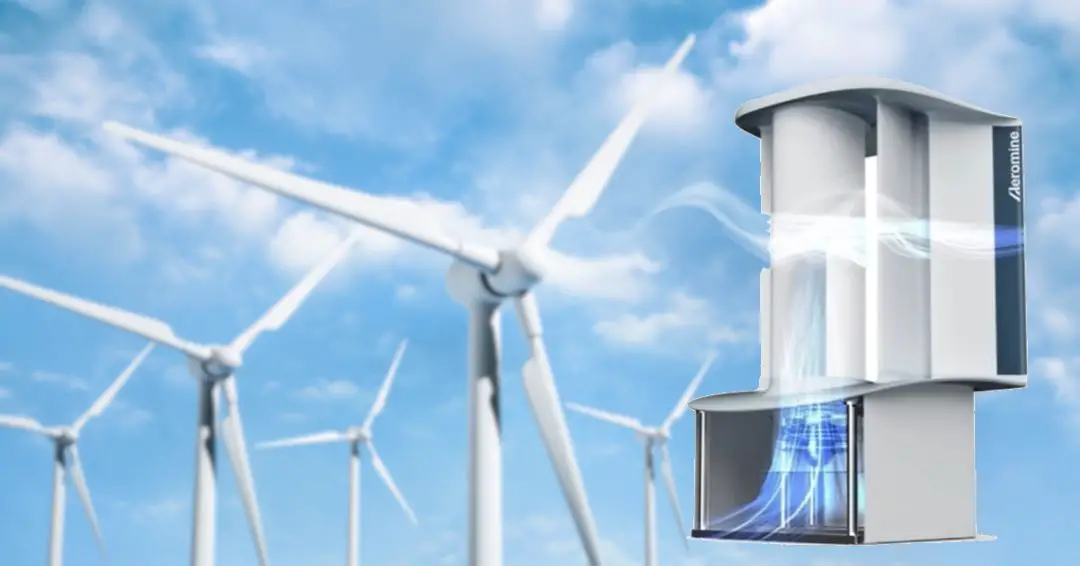
The technology is touted as the solution to the noise and wildlife disrupting issues from wind farms
The UK and Europe are looking into a new form of motionless wind energy turbines that could be installed on rooftops without leading to the same problems associated with more conventional turbine models, such as excessive noise and wildlife disruption.The first model has been installed in the UK on an Oxford rooftop
This new technology has been described as highly promising for wind energy, as it has the potential to make it more appropriate for a much larger spectrum of locations. Conventionally, enormous turbines are used in quantity – often fields of them – with spinning blades that drive an electricity generator. However, these may provide clean energy, but they are also associated with a number of problems that limit the types of places in which they can be used. Furthermore, when taking into consideration the rising demand for renewable electricity now and in the coming years, conventional designs are restricted. As a result, new designs are being developed to overcome these issues while still providing power that won’t rely on fossil fuels.Motionless wind energy generation
Among those developments are many forms of motionless wind energy technology, such as one by the US company Aeromine Technologies. These motionless designs overcome some of the challenges, such as the excessive noise and the disruptions that can be caused to wildlife, such as birds.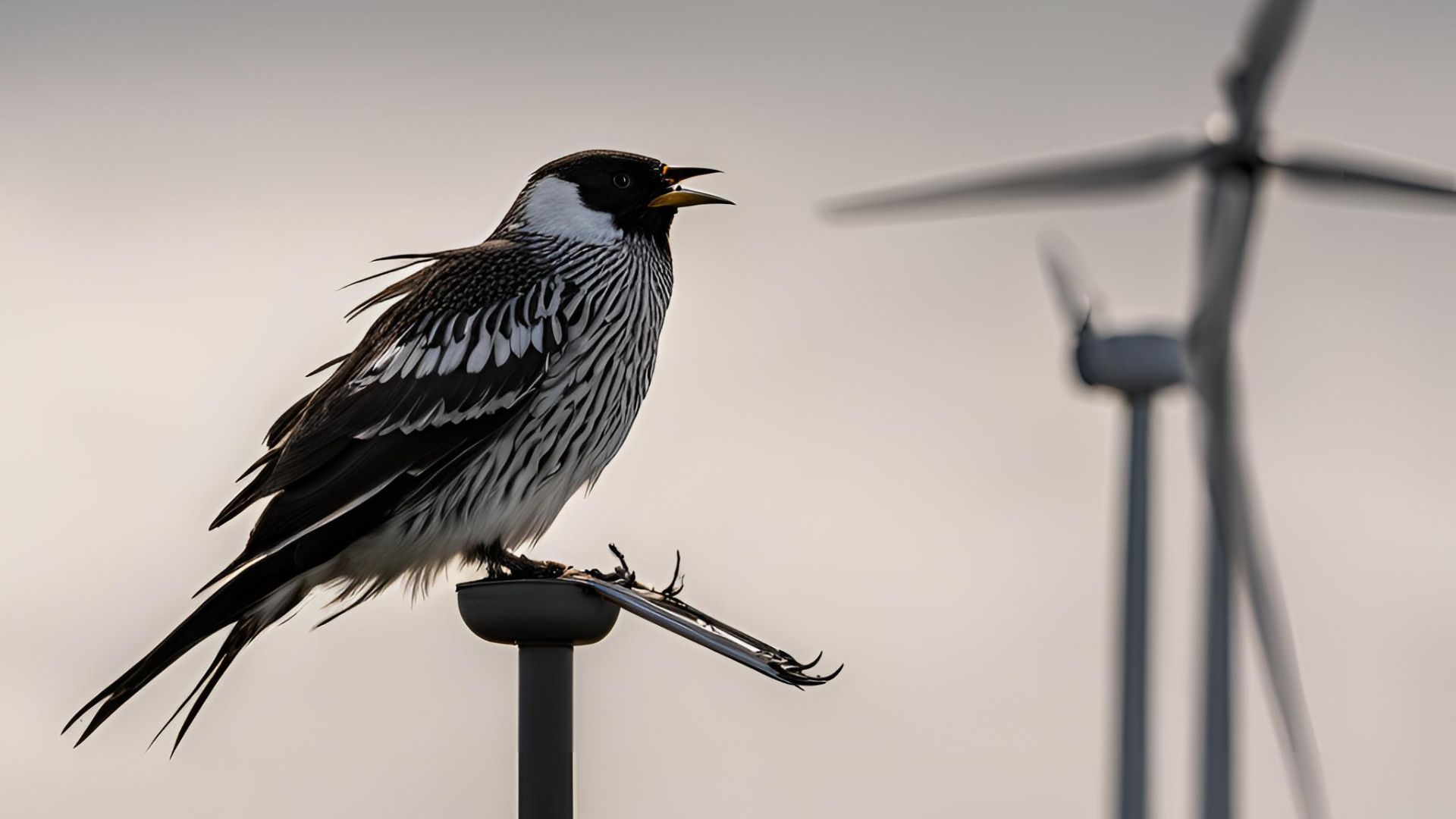 A prototype of this design is now already installed on the roof of a BMW MINI manufacturing plant located in Oxford, England, as part of a trial. The intention is to install more of the units on other rooftops throughout the United Kingdom and Europe.
How do they work?
Motionless wind energy systems work quite differently to conventional turbines. They also look substantially different. A unit is installed on a rooftop edge, angled toward the prevailing wind. In the case of the Aeromine Technologies design, it contains vertical airfoils that function by creating a vacuum effect. This pulls the wind behind an internal propeller, which then generates the electricity. “Our “motionless” wind energy technology is designed to work seamlessly alongside solar systems, maximizing the renewable energy output from rooftops while helping address challenges like noise, vibrations, and wildlife impact,” explained Aeromine managing director Claus Lønborg. See How It Motionless Wind Turbines Work https://youtu.be/OkRqVBpO2BQ?si=PCT5Ic0mg_D5YqspCombining wind energy with other renewables
The trial unit installed on the BMW MINI plant rooftop in Oxford is being used in combination with an existing rooftop solar system consisting of 11,000 panels. That solar energy structure covers a massive amount of space but generates the equivalent amount of electricity that would be required to power 850 households for a year. The thought behind the combination of the solar and wind energy is that they can complement each other. When there is less daylight in the winter, for instance, as well as overnight, the wind unit can continue operating to ensure consistent power supply.Funding for this project
BMW Startup Garage is behind the funding for this motionless wind energy project. This funding works by acting as a customer instead of being a venture capital investor. According to BMW Group Real Estate Management innovation team lead Carmen Gargioni, “[it] acts as a matchmaker between startups and different business units. New technologies are essential as we strive to find the most efficient solution to our requirements.” Aeromine Technologies has been expanding the type of wind energy units it will be able to provide. The typical system installations it currently provides are 50 kW or larger, according to the company. This is a size well suited to flat rooftop buildings, which are common in offices, data centers, warehouses and apartments. That said, it is hardly the only participant in this sphere. Other top names include New World Wind, from France, which has its “Aeroleaf” technology that involves the use of micro wind turbines which can be installed on structures and look like trees in order to blend into residential streets and other urban environments. These noiseless units help overcome the sound pollution issue as well.How was this article?
Thanks for the feedback!