Hydrogen news
Microbial fuel cells produce energy from DDGS waste material
New microbial fuel cells could lead to efficient energy production Information provided by the Society of General Microbiology shows that a byproduct of biofuel production could be used by microbial fuel cells to produce energy. Microbial fuel cells generate electricity by consuming organic waste material. These fuel cells contain bacteria that thrive on this organic waste, producing hydrogen, methane, and other gases when consumed. Scientists believe that the biofuel byproduct could lead to a new generation of microbial fuel cells that are more capable than current models. Researchers use DD…
New microbial fuel cells could lead to efficient energy production
Information provided by the Society of General Microbiology shows that a byproduct of biofuel production could be used by microbial fuel cells to produce energy. Microbial fuel cells generate electricity by consuming organic waste material. These fuel cells contain bacteria that thrive on this organic waste, producing hydrogen, methane, and other gases when consumed. Scientists believe that the biofuel byproduct could lead to a new generation of microbial fuel cells that are more capable than current models.Researchers use DDGS to produce clean energy
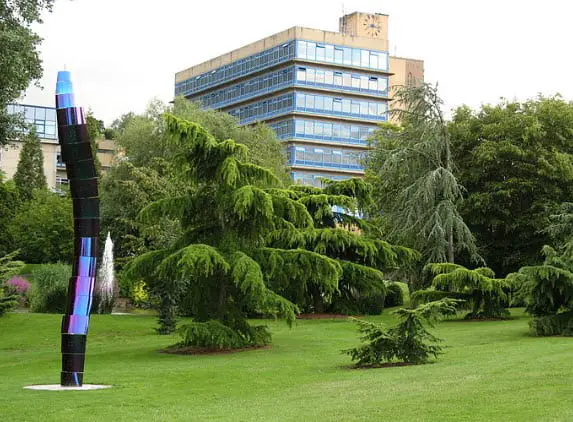
The biofuel byproduct is known as Distillers Dried Grain with Solubles (DDGS). It is a waste product that is produced through the manufacture of ethanol and is commonly used in animal feed. Researchers from the University of Surrey in the United Kingdom have designed a way to use this waste material in microbial fuel cells by incorporating it into a bacteria-inoculated form of waste water. Researchers demonstrated this process at the Society of General Microbiology’s Autumn Conference.
Microbial fuel cells able to clean waste water while generating power
The microbial fuel cells used by University of Surrey researchers demonstrated the ability to use the waste in the water solution to produce electricity. The byproduct of this energy production was clean water. Researchers note that DDGS is one of the most abundant waste materials in the UK and could hold vast potential in terms of energy generation if used in microbial fuel cells. The fuel cell used in the research was designed to encourage the growth of bacteria within the fuel cell. These bacteria were forced to send electrons through a circuit, which was tapped into to generate electricity.Using DDGS, a new generation of self-powered devices could be born
Microbial fuel cells are growing in popularity, but it may be several years before they become mainstream energy systems. Researchers believe that their microbial fuel cells could one day be used to develop self-powered equipment that could be used for a variety of purposes, such as the monitoring of weather patterns in extreme environments where fuel is scarce.How was this article?
Thanks for the feedback!