Hydrogen news
Are lakes the hydrogen storage solution we’ve been waiting for?
Among the challenges associated with advancing H2 as clean energy is where to store it Hydrogen storage has become an important topic in the advancement of H2 as a source of clean energy fuel, as it is the lightest element in the universe, and if not carefully contained once produced, it will simply float away. Storing H2 isn’t just a matter of capturing it There are many challenges that come with hydrogen storage. Storing it as a gas would take a tremendous amount of space. Compressing it requires additional durability in its storage containers in order to be able to withstand the added pre…
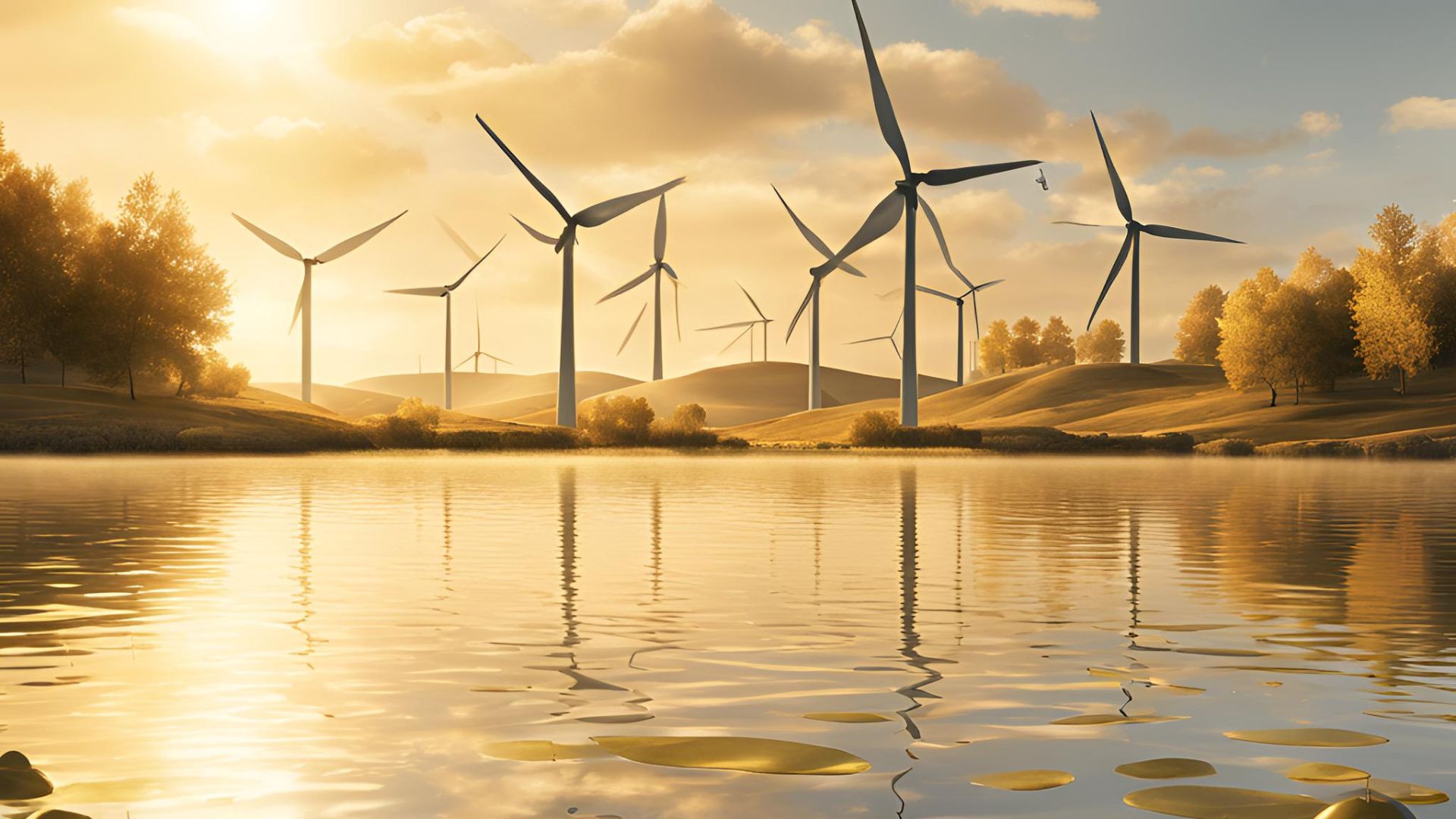
Among the challenges associated with advancing H2 as clean energy is where to store it
Hydrogen storage has become an important topic in the advancement of H2 as a source of clean energy fuel, as it is the lightest element in the universe, and if not carefully contained once produced, it will simply float away.Storing H2 isn’t just a matter of capturing it
There are many challenges that come with hydrogen storage. Storing it as a gas would take a tremendous amount of space. Compressing it requires additional durability in its storage containers in order to be able to withstand the added pressure. This is even more the case when storing H2 as a liquid, as it requires even greater pressure as well as ultra-low temperatures. No matter the method, designs must also be highly strategic in order to prevent leakage, as H2 is notorious for being able to get away.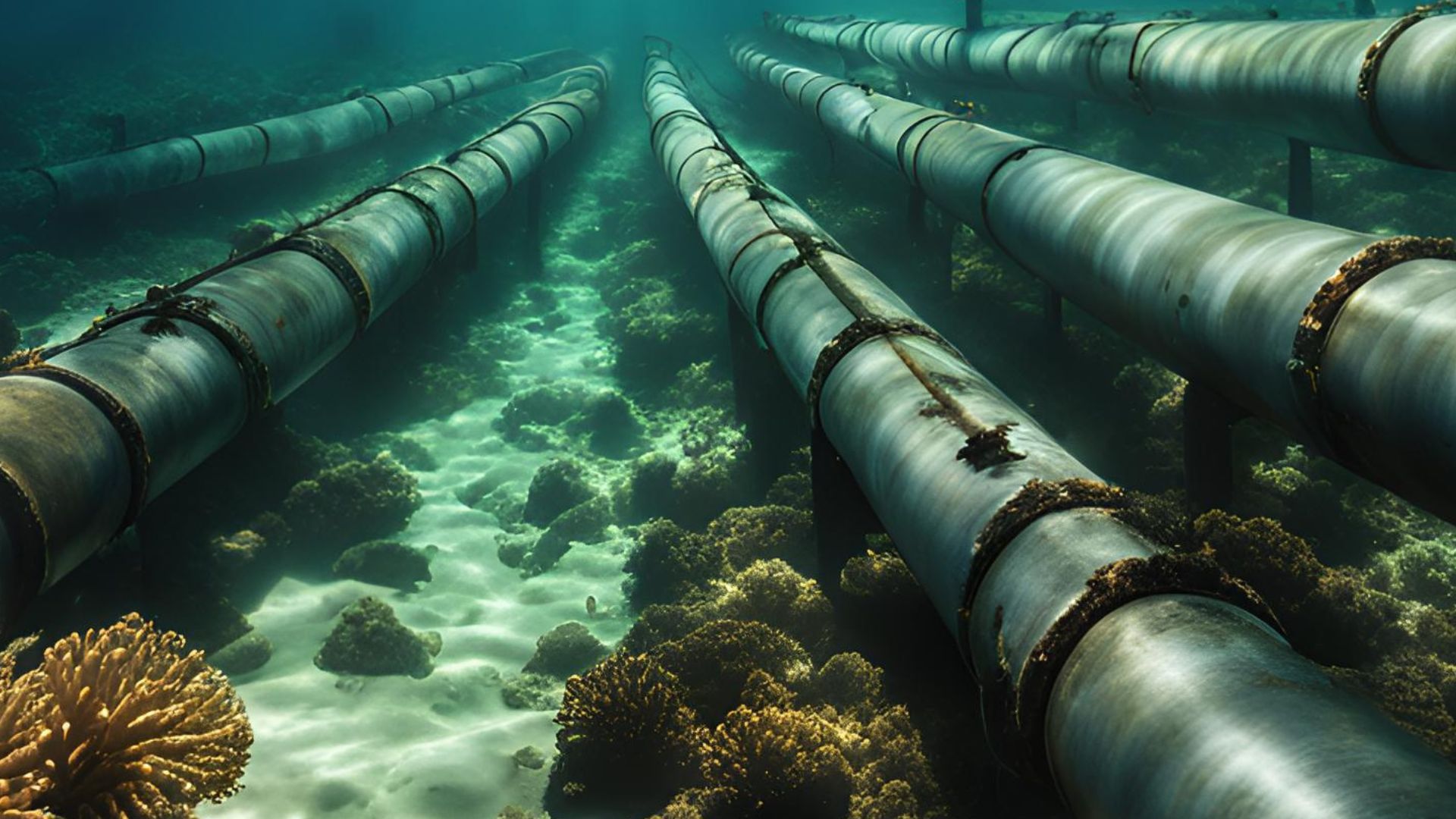 Researchers at King Abdullah University of Science and Technology have been examining novel ways to store H2, including using pipelines and gravel in water reservoirs or lakes that could become promising opportunities in Europe, China, Japan, or the United States within the next decade.
“The technology required to implement the proposed system is available, simple and cheap,” said the researchers in a recent media report.
Researchers at King Abdullah University of Science and Technology have been examining novel ways to store H2, including using pipelines and gravel in water reservoirs or lakes that could become promising opportunities in Europe, China, Japan, or the United States within the next decade.
“The technology required to implement the proposed system is available, simple and cheap,” said the researchers in a recent media report.
This hydrogen storage requires high-density pipelines
The researchers proposed making the pipelines out of high-density polyethylene (HDPE), and filling them with sand, gravel or tailings. The pipelines could then be fed under water reservoirs or in lakes and used to store H2 in locations where other large natural options such as salt caverns are not present. “The cheapest option is to use mining tailing, as it would also solve the problem of where to put waste material from mines. Gravel is usually expensive. Sand is a cheaper option,” said Julian Hunt, one of the researchers. “The reason why storing hydrogen pipes and gravel in lakes and reservoirs is cheap is because the pressure inside the tank is always equal to the pressure outside the tank at a fixed depth.” “This is good because the pipeline does not need to be reinforced with carbon fiber, which is expensive. The pressure of the tank increases by 1 bar with an increase in depth of 10.2 meters,” added Hunt.Important characteristics for the lakes and reservoirs
While depth is important, it’s not the only important factor. Water reservoirs and lakes must also have flat bottoms to make this system work, as it prevents the flow of the sediment from damaging the tanks, which operate covered by sediments, according to hunt. Still, this concept is not without its challenges before it will be ready for practical use. “However, if there are leaks in the pipeline, it might not be possible to fix the tank,” pointed out Hunt.How was this article?
Thanks for the feedback!